Fort Casey Park Bolsters Island County Recreation and Local Economy
Fort Casey Historical State Park preserves 467 acres of shoreline, historic artillery batteries and the restored Admiralty Head Lighthouse, drawing visitors for camping, wildlife watching and beach access. The park’s facilities, proximity to the Coupeville ferry terminal and fee structure with the Discover Pass shape local tourism patterns and municipal revenue flows that matter to Island County residents.
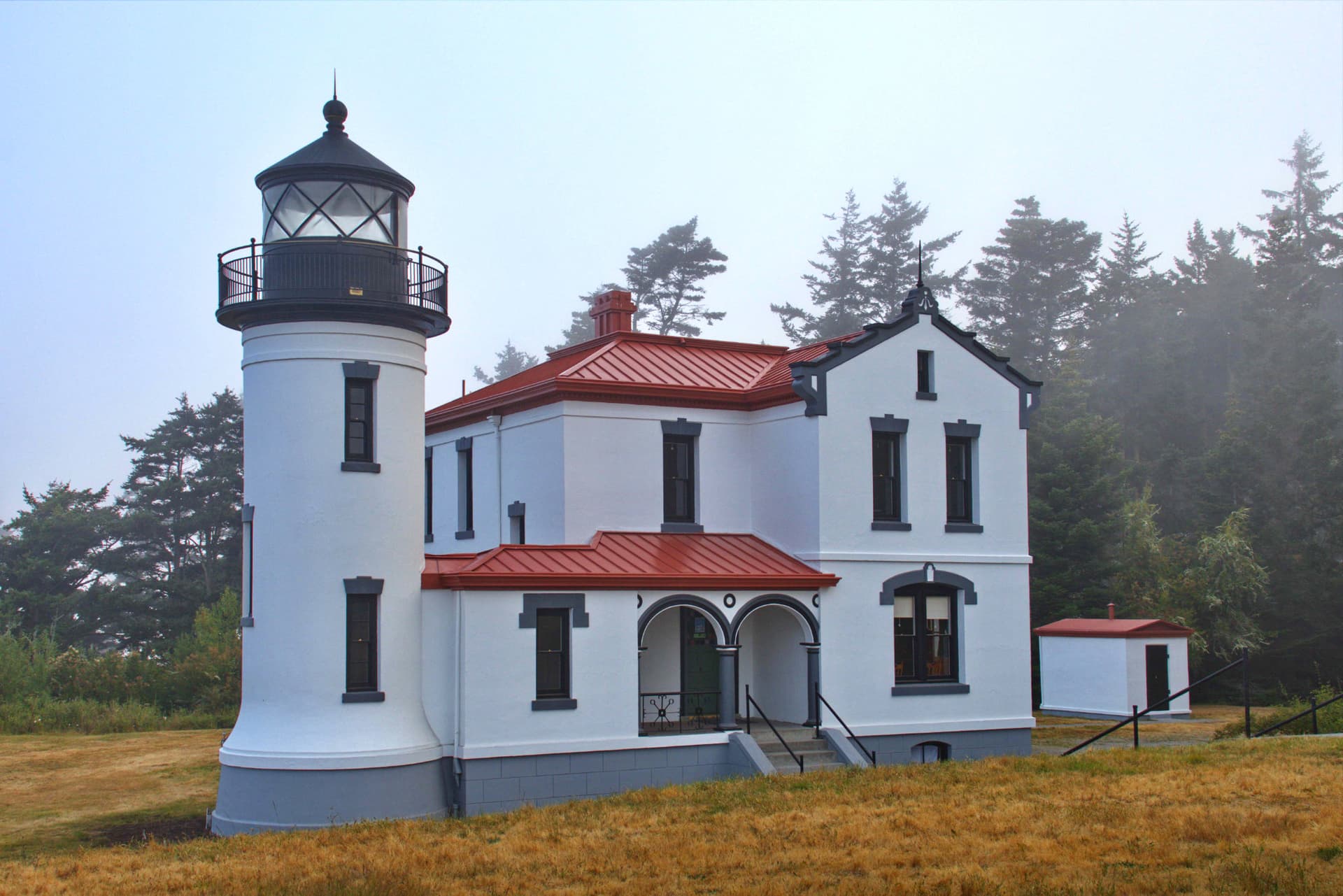
Fort Casey Historical State Park on Whidbey Island combines coastal history and active recreation across 467 acres of marine parkland. Park highlights include the restored Admiralty Head Lighthouse, built in 1903 with interpretive displays and a small gift shop, and the preserved artillery batteries featuring historic 10-inch and 3-inch guns with accessible exhibits and the "big guns" emplacements. Those features make the park a year-round destination for beach exploration, bird- and marine-watching, kite flying and reservable camping.
The park’s location and amenities give it outsized importance for Island County’s visitor economy. Easy access to the Coupeville ferry terminal channels day-trippers and longer-stay visitors into town businesses and lodgings, while on-site camping and the lighthouse gift shop capture direct spending. Seasonal lighthouse hours and the requirement of a Discover Pass or an applicable fee for some activities influence the timing and volume of visits, with practical implications for local merchants and municipal planning.
From a policy perspective, the Discover Pass and other user fees serve dual roles as revenue sources and as instruments that shape access. For local officials, maintaining interpretive exhibits, conserving shoreline habitat and staffing the lighthouse during high season must be balanced against the goals of affordable public access and predictable revenue streams. The park’s placement within Ebey’s Landing National Historical Reserve also adds layers of conservation and land-use coordination that affect permitting, shoreline protection and visitor services.
For residents, the park is both amenity and economic asset. Its miles of shoreline and trails provide everyday recreational options and enhance quality of life for Island County households. At the same time, the park’s draw for whale- and sea-life observation and for birding events can concentrate visitor flows during peak seasons, straining parking and local services if not managed with clear schedules and infrastructure investments.

Long-term trends favor parks like Fort Casey. Interest in outdoor recreation, wildlife watching and heritage tourism supports continued visitation, while climate and coastal management considerations will increasingly shape maintenance priorities for shoreline viewpoints and historic structures. Residents and policymakers face trade-offs between encouraging tourism that supports local businesses and investing in conservation and visitor infrastructure that preserves the park’s natural and historic resources.
Practical access points remain straightforward: visitors can reach the park from Coupeville and take advantage of beach exploration along Admiralty Inlet, picnic areas, shoreline viewpoints and reservable camping sites. Seasonal lighthouse hours and applicable fees should be checked before visiting to plan timing and expenses.
This article was produced by Prism’s automated news system from verified source data, official records, and press releases, then run through automated quality and moderation checks before publishing. The system is built and supervised by the people who set the standards it runs under. Read our full AI policy.
Did this article answer your question?