Greenbank Farm Remains Vital Agritourism Hub for Island County
Greenbank Farm on Whidbey Island continues to function as a multiuse community destination, blending working farmland with small businesses, galleries, a wine-tasting room and regular public events. Its location at the island’s narrowest point along SR 525 and management by the Port of Coupeville make it a strategic cultural and economic asset for both North and South Whidbey residents.
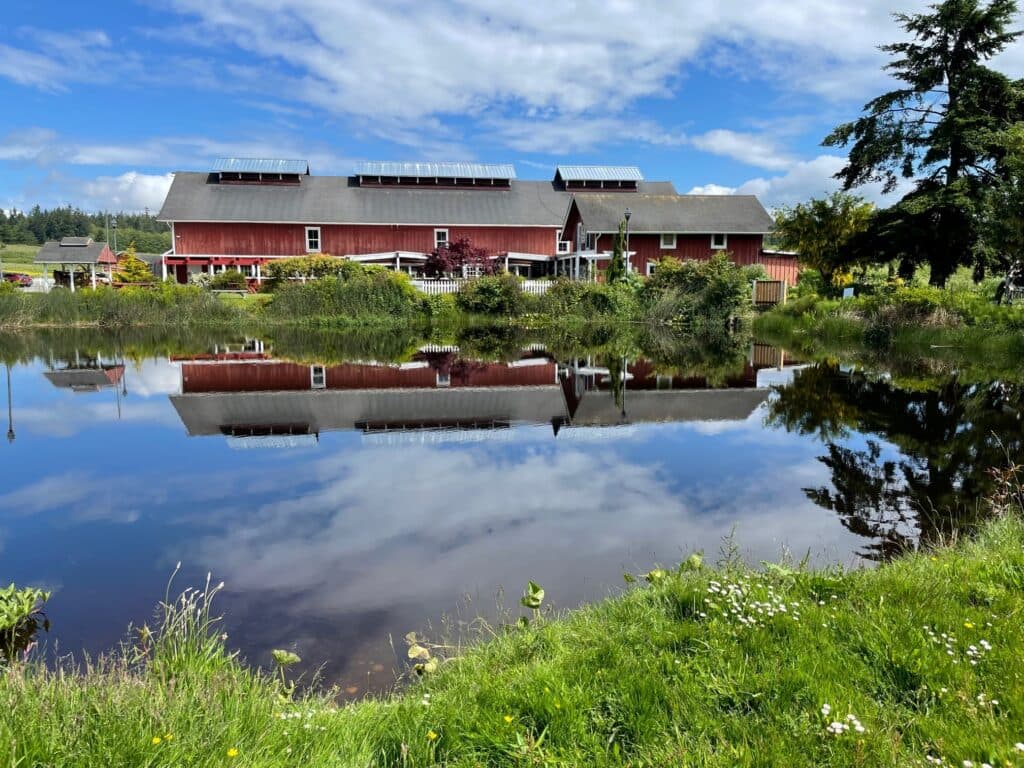
Greenbank Farm stands as a visible example of how public stewardship and mixed-use land management can sustain local agriculture while supporting a small-business ecosystem. Managed by the Port of Coupeville, the former loganberry farm now hosts working farmland, leased agricultural plots, galleries, specialty shops and a wine-tasting room that sells local wines and loganberry products. The site’s combination of commerce, culture and conservation draws residents and visitors who come for trails, scenic views and rotating community events.
The farm’s location on State Route 525 at the island’s narrowest point positions it as a convenient stop for through-traffic as well as a destination. Visitors who walk the farm trails can see panoramic vistas that include the Olympic Mountains, the Strait of Juan de Fuca and Mount Rainier on clear days, a feature that underpins its appeal for tourism and recreation. Regular events such as First Friday art and wine nights and seasonal markets create recurring foot traffic that supports on-site businesses and vendors.
Economically, Greenbank Farm functions as a de facto incubator for small enterprises tied to agritourism, crafts and specialty retail. Leased agricultural uses allow working farms to remain on the landscape while generating rental income for the port, and volunteer-maintained demonstration gardens, including master gardener projects, extend educational and horticultural capacity without relying solely on municipal budgets. That mix of income streams and in-kind volunteer labor helps lower operating costs for public managers and provides community members with opportunities to participate in local food production and stewardship.

For Island County policymakers and residents, the farm highlights several broader trends and considerations. Agritourism and farm-based retail have become important avenues for rural economic resilience, offering nonfarm revenue to keep small farms viable. The Port of Coupeville’s role underscores how local public entities can preserve open space while enabling commercial uses that generate economic activity. At the same time, the site’s seasonal programming and reliance on volunteer efforts point to vulnerabilities: businesses there face seasonal demand fluctuations, and long-term maintenance depends on continued community engagement.
Maintaining Greenbank Farm’s dual role as agricultural land and community hub will require balancing commercial development, conservation goals and infrastructure needs along SR 525. For residents of North and South Whidbey, the farm is more than a scenic stop; it is a shared economic and cultural resource that supports local producers, small-business operators and volunteer-led education programs while preserving a working-farm landscape.
This article was produced by Prism’s automated news system from verified source data, official records, and press releases, then run through automated quality and moderation checks before publishing. The system is built and supervised by the people who set the standards it runs under. Read our full AI policy.
Did this article answer your question?