HOPE Center Completes Winter Volunteer Training, Prepares Adaptive Riding Season
On December 12, 2025, HOPE Therapeutic Riding Center opened its winter volunteer training with an online webinar and follow up hands on sessions at the North Whidbey arena. The training was designed to equip community volunteers for adaptive riding programs, no prior horse experience required, and serves as a reminder of the vital role volunteerism plays in local services for residents with disabilities.

HOPE Therapeutic Riding Center staged the first session of its winter volunteer training on December 12, 2025, beginning with an online webinar and continuing with hands on instruction at the North Whidbey arena. The two part format aimed to cover safety protocols, basic horse handling, and the specific supports needed for adaptive riding lessons. Organizers emphasized that volunteers did not need prior horse experience to participate, and they invited community members to sign up for the season.
The program supplies trained volunteers who assist certified instructors in delivering therapeutic riding sessions targeted at children and adults with physical, cognitive, or emotional needs. In a county where local nonprofits provide many specialized services, volunteer recruitment and training are central to maintaining program continuity and participant safety. The structured webinar plus in person training model reduces barriers to entry while allowing staff to assess volunteer readiness in controlled settings.
For Island County residents, the immediate impact is twofold. First, trained volunteers expand capacity for HOPE to serve clients during winter months when staffing and rider demand can fluctuate. Second, the program offers a meaningful pathway for civic engagement, connecting neighbors with direct service roles that benefit vulnerable community members. Volunteers who complete the training help sustain a service that would otherwise require increased public funding or contracted providers.
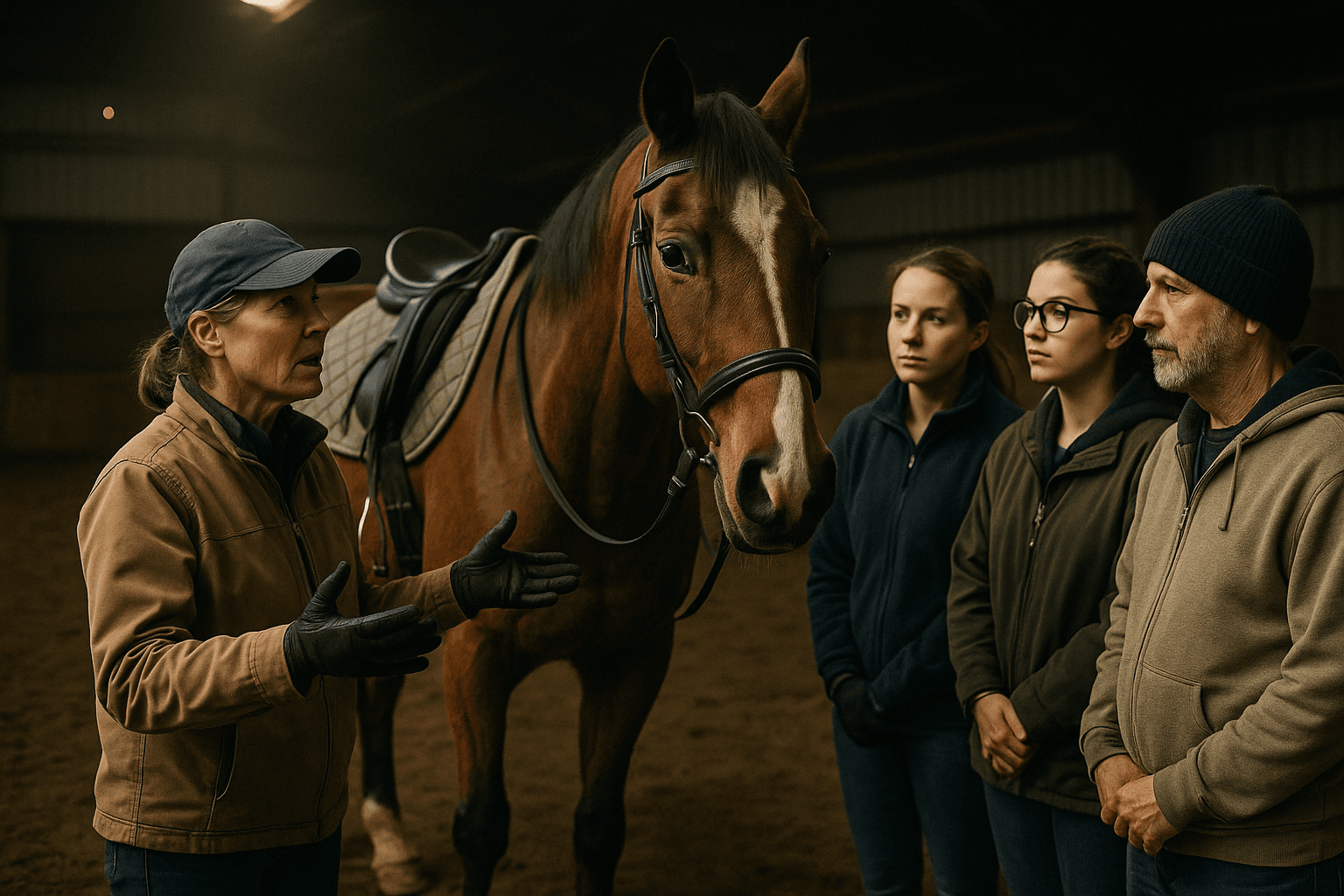
From an institutional perspective, HOPE's approach underscores a broader governance question about reliance on volunteer labor for specialized services. Training and oversight are necessary to manage liability and ensure program quality, and consistent recruitment becomes a budget and planning consideration for both the nonprofit and the county. Local officials and community leaders may weigh whether additional outreach or modest public support would strengthen volunteer pipelines for essential adaptive programs.
HOPE provided contact information for prospective volunteers and encouraged those interested to register. The winter session marks the beginning of seasonal programming that will rely on trained community members to deliver adaptive riding services across Island County.
Know something we missed? Have a correction or additional information?
Submit a Tip

