How to read Island County property tax statements and parcel IDs
Island County tax bills tie your parcel ID, assessed value and levy rate to what you owe, and tax areas 100 and 106 carry a 9.1310917527 total levy rate.
An Island County tax statement for Whidbey Island and Camano Island homeowners lists two identifiers: the GEO Parcel Number and the Property ID Number. They are the county’s shortcut for identifying a parcel, showing how it was valued, and explaining how the treasurer turns that value into what you pay.
Start with the parcel numbers
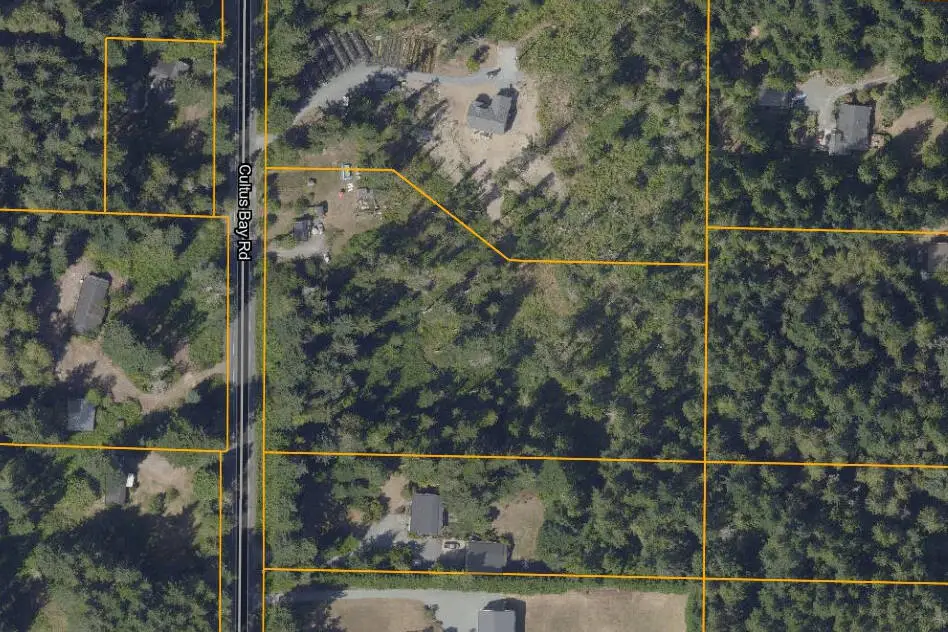
The GEO Parcel Number is specific to the property’s location and can encode range, township, division, block and lot numbers, while the Property ID Number is another key reference for county records.
The tax statement connects three different systems at once: the physical property, the assessor’s records and the treasurer’s billing system. If a homeowner is trying to confirm whether the right home is on the bill, those parcel references are the safest place to start.
Island County’s online property tax and valuation database carries a caution. The county makes every effort to publish current and accurate information, but portions of the database may not be current or correct, and it does not warrant the accuracy, reliability or completeness of the information. In practice, that means the site is useful for tracking a parcel, but it should not be treated as an infallible record if a payment or valuation dispute is on the line.
Read the value and levy together
The number that often causes the most confusion is assessed value. The Assessor’s Office must physically inspect, appraise and revalue all real property once every six years, with an annual review and update based on sales analysis. That means your assessed value is not frozen at the price you paid for the home, and it is not simply a copy of what your neighbor paid either.
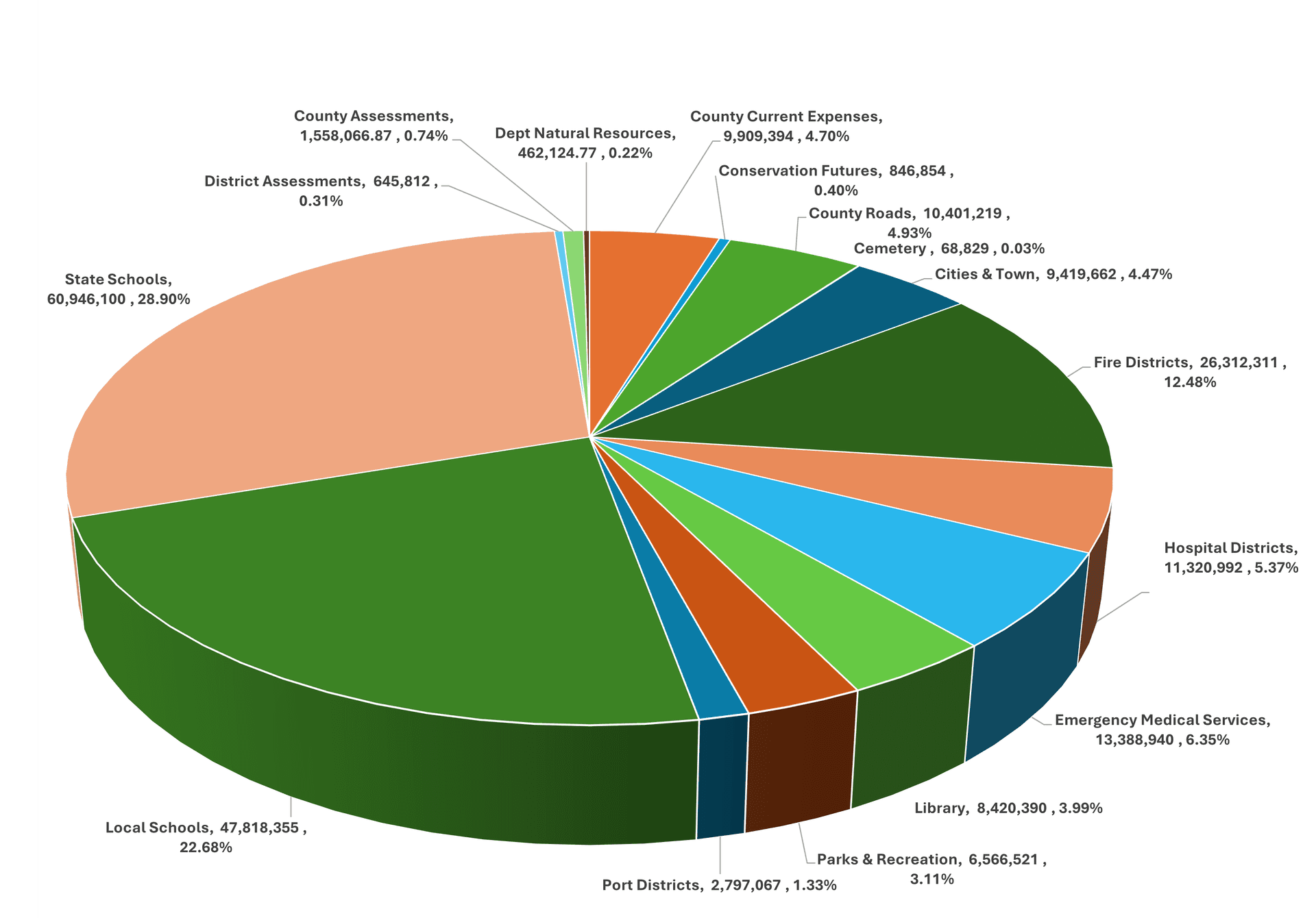
Property taxes can be estimated from two things that appear on the treasurer’s bill: assessed value and the tax levy rate. The rate is calculated by dividing lawful levies to be collected by the total assessed value of the levying district. Put plainly, the bill reflects both the value assigned to your property and the tax districts that apply to it.
In Washington, county assessors value each property annually, county treasurers collect property taxes, and assessors physically inspect each property at least once every six years. Property tax applies to the assessed value of all real and personal property in Washington unless specifically exempted.
Why two similar homes can get different bills
A tax statement can look almost identical from one house to the next and still produce different totals. Rates vary by tax area. Island County’s 2025-2026 levy-rate report lists total levy rates of 9.1310917527 in tax areas 100 and 106, and 7.6313709459 or 7.0932223185 in other areas.
Two parcels with similar assessed values can land in different levy districts, which changes the math that goes into the final bill.
A separate property-tax overview places Island County’s median effective property tax rate at 0.73%, with a median home value of $549,996 and a median annual tax bill of $3,999. It is not an official county rate.
Where to look when you want to pay or verify a bill
Island County splits its property-tax information across several pages. The levies page covers how rates are built, the tax bills and payments page covers what to pay, the exemptions page handles relief, and separate pages cover manufactured or mobile homes and tax and assessment information.
To pay online, you can search by account number using the Property ID, preferably, or the Geo ID, then move to the online payment system. The assessor-treasurer property search page also lets users search by owner name, street number and street name, and it includes sales and map search options.
If you only know the street address, the county still gives you a way to find the account. If you are trying to match a paper statement to an online record, the Property ID and Geo ID are the quickest bridge.
When exemptions may lower the bill
Senior citizens or disabled persons may qualify for a property tax exemption if the property is their principal residence. Applicants must be 61 or older by Dec. 31 of the assessment year, or otherwise meet disability criteria.
The relief process uses the same parcel-based system as the tax statement. Applicants are asked for the parcel number, tax year, tax code area, exemption level and approval or denial dates.
Emergency assistance is available for income-eligible veterans with an honorable discharge, their spouse or domestic partner, surviving spouses and dependent children.
Why this system looks the way it does
The 1853 U.S. Organic Act established territorial government and required taxes to be assessed uniformly, the 1889 state constitution again required property to be assessed uniformly, and a 1929 constitutional change allowed classification of property.
For most homeowners, the useful habit is simple: check the parcel ID first, then the assessed value, then the levy rate, and finally the exemption or payment status before the due date turns a confusing bill into a penalty.
This article was produced by Prism’s automated news system from verified source data, official records, and press releases, then run through automated quality and moderation checks before publishing. The system is built and supervised by the people who set the standards it runs under. Read our full AI policy.
Did this article answer your question?