Island County genealogy guide points to key local records sources
A deed in Coupeville, a birth record in Tumwater and a headstone in central Whidbey can each prove a family’s Island County roots.
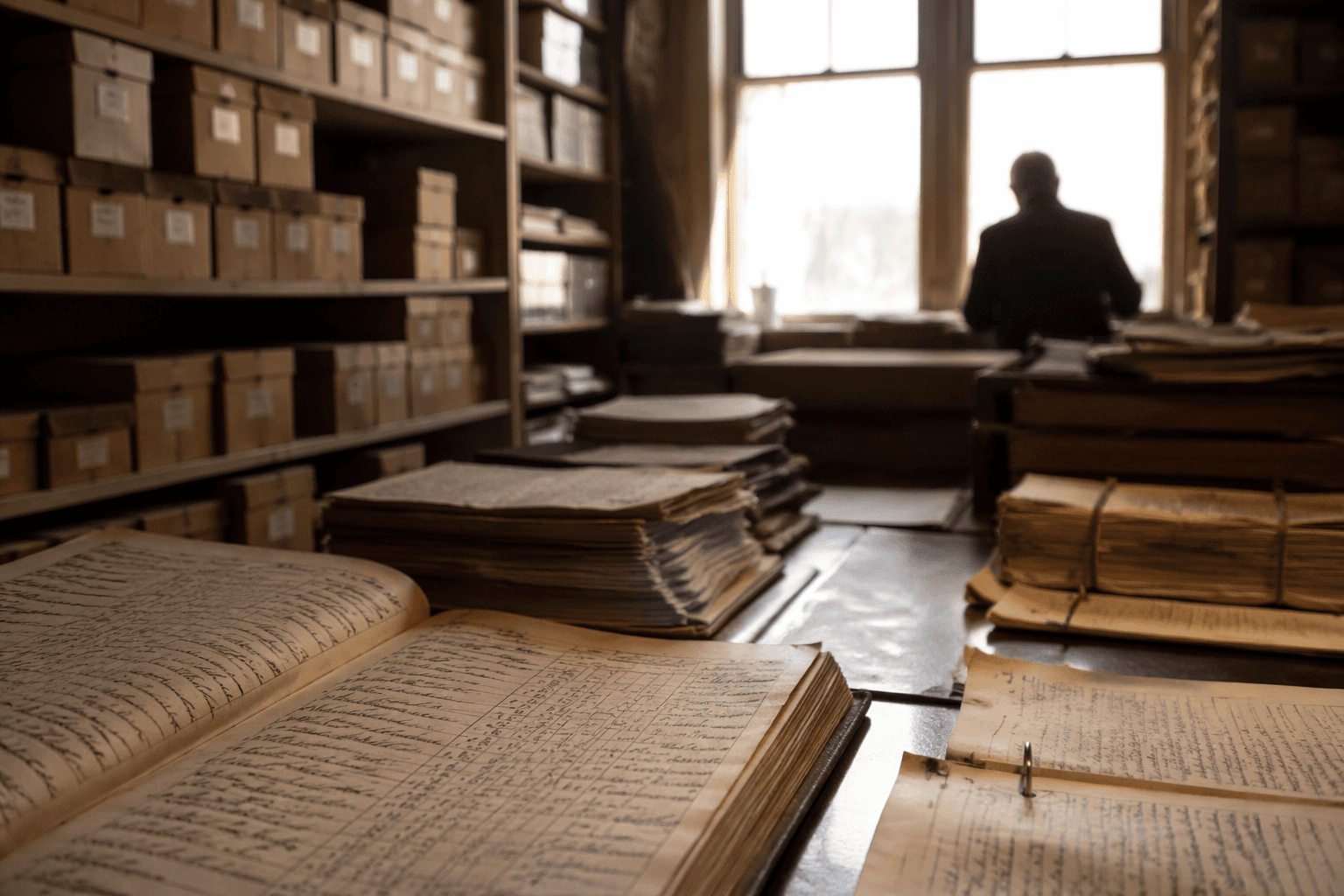
A deed in Coupeville, a birth record in Tumwater and a headstone in central Whidbey can each prove a family’s Island County roots. The fastest route to those answers runs through the County Assessor’s Office, the County Auditor’s Office and the Northwest Regional Branch of the Washington State Archives.
Start with the parcel, then widen the search
Island County’s property trail is strongest when you treat the assessor, auditor and archives as three different tools rather than one catch-all database. The Island County Assessor’s Office helps place a parcel in value and context, the County Auditor’s Office preserves recorded documents, and the Northwest Regional Branch of the Washington State Archives holds broader historical records that can link a name to a piece of land, a transfer or a neighborhood relationship.
The county’s own parcel search and GIS mapping tools are useful first stops, but both carry clear cautions: the property tax and valuation database may not be current or correct, and the GIS system does not warrant the accuracy, reliability or timeliness of its information. That makes them a starting point, not the final word, especially when you are tracing a farm edge on Whidbey, a longtime house lot in Oak Harbor or a family claim on Camano Island.
The records that answer the big questions
The Washington State Library’s Island County genealogy research guide points researchers to the County Assessor’s Office, the County Auditor’s Office and the Northwest Regional Branch of the Washington State Archives, along with Washington State Digital Archives materials, city and telephone directories, newspaper resources and library holdings.
Those sources answer different questions. Deeds and recorded documents can show when a surname enters or leaves a parcel. Directories can place a household in a specific town year by year. Newspapers can confirm births, marriages, obituaries and civic involvement, which is often where the most useful neighborhood detail turns up. Digital archives are especially valuable in Island County because its communities are split across water and often documented in separate local contexts.
A few record sets stand out immediately:
- The Washington State Archives’ Digital Archives includes the 1889 Island County Census from the Island County Territorial Auditor.
- It also includes Island County Auditor birth records from 1891-1907.
- The archives hold Island County miscellaneous marriage license notices from 1867-1999.
- FamilySearch lists Washington, Island County, deeds, 1853-1954, held at the Northwest Regional Branch.
A practical route through Island County history
Island County was created on January 6, 1853, by the Oregon Territorial Legislature from a portion of Thurston County. It once covered what are now Snohomish, Skagit, Whatcom and San Juan counties, which helps explain why older family ties can surface in records that now sit under different county names.
I. N. Ebey arrived in 1850 and Captain Thomas Coupe in 1852, names that still shape the geography of central Whidbey and Coupeville. Coupeville is the county seat and remains one of the most useful places to anchor a search because the town’s historic core is closely tied to the paper trail left by early settlement, land ownership and public record keeping.
For a family tracing an old farm near Ebey’s Landing, the best approach is to start with the parcel, then move to deeds and newspaper notices. A deed can establish ownership changes, a directory can show who lived on the property in a given year, and a newspaper item can add a marriage, probate notice or obituary that confirms the family line. That same method works for a longtime home in Oak Harbor or Freeland, where a single surname can appear in assessor data, auditor filings and directory listings over many years.
Why place names matter as much as names
Ebey’s Landing National Historical Reserve was established to preserve a rural community with an unbroken historic record from nineteenth-century exploration and settlement to the present.
Sunnyside Cemetery in central Whidbey, which has served the community since 1865, offers another kind of anchor. Cemetery records and headstones can confirm family connections that never made it into a newspaper or a deed book, and they often help separate two people with the same name.
Where the human story lives
The Island County Historical Museum in Coupeville collects, preserves and interprets the county’s cultural history, and its public-facing resources emphasize Native American life, early settlers and early 20th-century island life. The museum is a useful partner when a record search turns up a family farm, a storefront or a school-era address that needs local context.
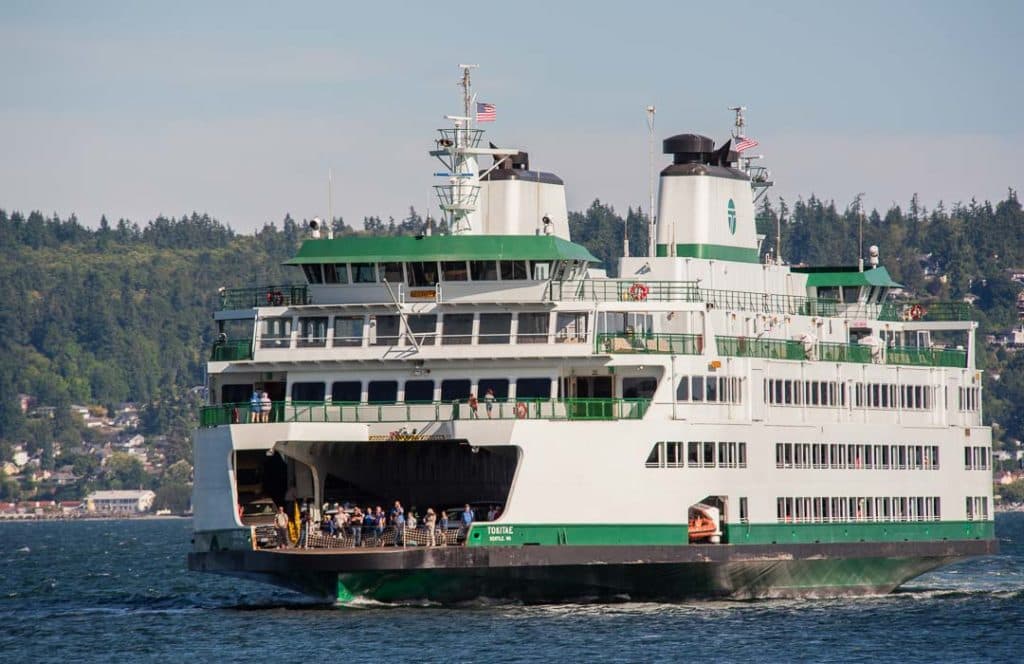
The Northwest Regional Branch of the Washington State Archives serves Clallam, Island, Jefferson, San Juan, Skagit, Snohomish and Whatcom counties. Family lines, land transfers and civic records often cross county boundaries, especially in communities tied to ferry travel, water routes and changing administrative lines.
Access has also shifted. The Washington State Library’s Tumwater location is closed to the public effective July 1, 2025, with limited access by appointment only on Thursdays from 1:00 p.m. to 4:00 p.m. The digital collections and regional archival branches are even more important for residents working from Coupeville, Oak Harbor, Freeland or Camano Island.
This article was produced by Prism’s automated news system from verified source data, official records, and press releases, then run through automated quality and moderation checks before publishing. The system is built and supervised by the people who set the standards it runs under. Read our full AI policy.
Did this article answer your question?