Island County Historical Museum preserves county’s past in Coupeville
Island County’s archive in Coupeville holds 20,387 cataloged items, from land claims to obituaries, and charges $30 for the first two research hours.
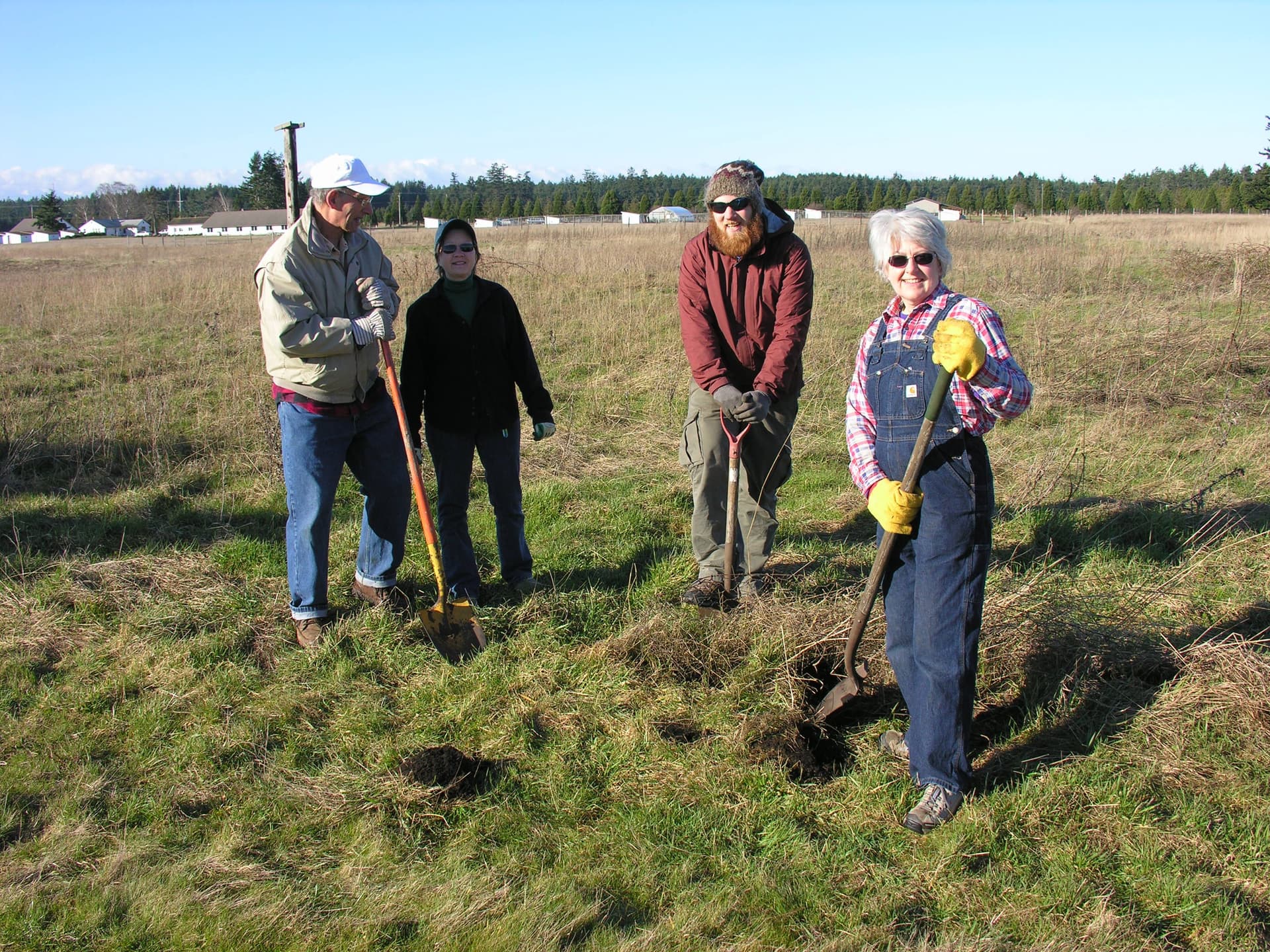
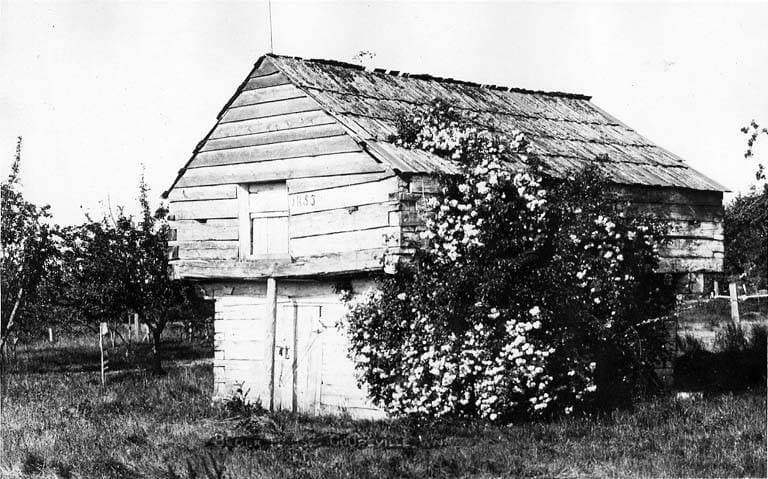
Island County’s paper trail begins in 1853, when the Oregon Territorial Legislature created one of Washington’s oldest counties, and it still matters in a county of 86,857 people. In Coupeville, the Island County Historical Museum turns that record into something residents can use to trace a homestead, track a military connection, or identify the school, store, or church that vanished from the map.
Why this museum matters to Island County
The museum’s role is bigger than display cases. Island County’s official records reach back through the courthouse and county auditor’s office, but the museum preserves the family papers, photographs, and local publications that give those records context and meaning. That is the difference between knowing a parcel number and knowing who lived there, how they traveled, and what the neighborhood looked like when the county was still being built.
The museum also fills a civic-memory gap that grows wider each year as first-hand family records and oral histories disappear. In a place shaped by Whidbey Island, Camano Island, Coupeville, Oak Harbor, and Langley, the archive helps residents see how settlement, shoreline work, civic life, and family migration fit together across generations.
From a courthouse rescue to a county archive
The Island County Historical Society organized in 1949 with a specific purpose: save the Lovejoy Victorian Courthouse, a building from 1891. That effort did not preserve the courthouse itself, but it established the society’s larger mission and set the stage for a museum that would serve the whole county, not just one building or one era.

The society explored a museum in the abandoned Admiralty Head Lighthouse in 1958, then opened its first museum in 1963 in a small building donated by General Telephone Company. The museum moved several times before the community built the current exhibit building in 1991. That long path matters because it shows the institution grew from local determination, not from a top-down mandate, and that community support kept it alive through each move.
What the archive holds
The museum’s online catalog lists 20,387 collection items, while the broader artifact collection is described as numbering in the tens of thousands. Only a small share can be shown at once, which makes the archive and research rooms as important as the exhibit floors.
The physical and online archival collections include Island County diaries and journals, land claim records, newspapers, obituaries, letters, rare books, aerial photos, maps, event posters, videos, oral histories, and thousands of photographs. Taken together, those materials let residents move from curiosity to documentation: a land claim can show where a family settled, an obituary can connect a name to a branch of service or a burial place, and a photograph can identify a building that no longer exists.
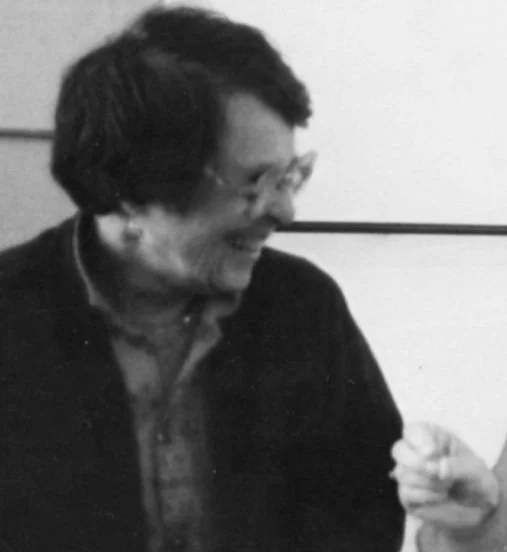
The archive library carries its own local history. The museum says the Janet Enzmann Archives and Research Library was organized and “brought into the 20th century” by volunteer Janet Enzmann, and the institution now honors her by name. That detail is more than a tribute. It signals that the archive was modernized so researchers can actually find what they need instead of facing a boxed-up memory closet.
How residents use the research side
The research desk works like a public service, not a passive storeroom. Visitors can request an appointment with the archivist, and the museum publishes research fees at $30 for the first two hours and $10 for each additional hour. For someone chasing a house history, a burial location, or a photograph of a lost waterfront business, that fee structure puts guided research within reach.
The museum also offers a genealogy library and points users toward the obituary and cemetery database and the Washington State Digital Archives. That state archive describes itself as the first digital archives in the nation to preserve electronic records of both state and local government, which gives Island County researchers another path when they need official records beyond the museum’s walls. Used together, those tools help connect family stories to verifiable documents.
What to see in Coupeville
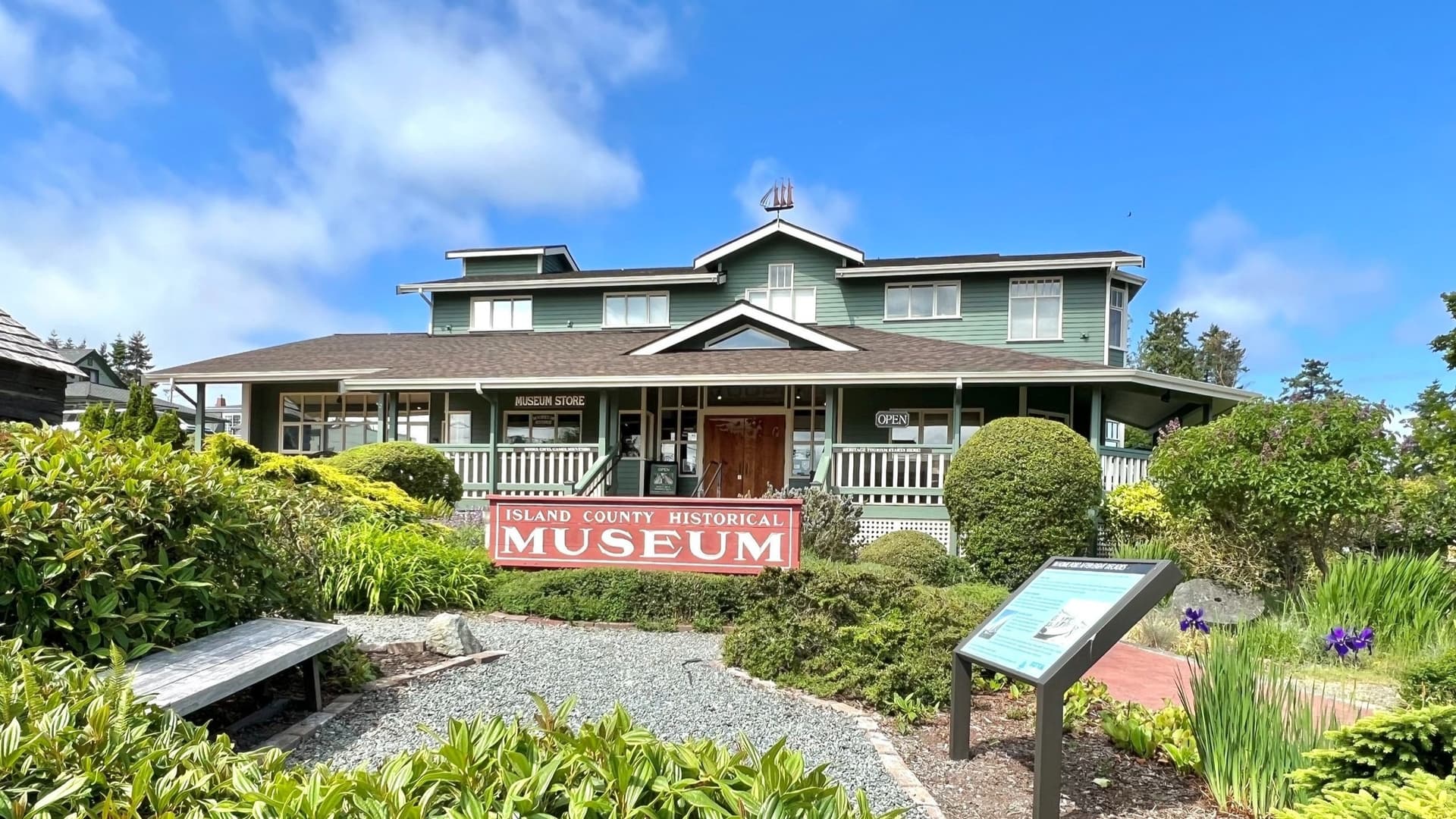
The museum sits at 908 NW Alexander St in Coupeville and spreads across two floors of exhibits. Its interpretation covers prehistory, Native peoples, maritime history, and early 20th-century life, giving the building a sweep that runs from the region’s earliest human history to the county’s more recent civic and working past.
One of the museum’s central exhibits, Native People, Native Places, features three rare dugout canoes. Visitors can also use the STQRY app, which helps make the exhibits more navigable and ties the displays to the broader local landscape. The emphasis on Indigenous history is important: it places Native presence at the center of Island County’s story rather than treating it as a preface.
Tours, teaching, and the county beyond the building
The museum does more than preserve records; it teaches them. Educational history sessions with a docent or archivist cost $5 per person plus a flat $20 per hour. Small-group guided tours, large groups, and school tours are $5 per person, with two chaperones per 15 students free on school tours. That pricing makes the museum usable for classrooms, families, and local groups that want a concrete introduction to the county’s past.
Tours can also extend beyond the building itself. The museum’s programming includes visits to historic Island County sites such as Sunnyside Cemetery, and its historical downtowns material points visitors toward Coupeville, Oak Harbor, and Langley. That approach matters in a county where history is spread across shorelines, streets, burial grounds, and archival boxes rather than locked into one landmark.
For Island County residents, the point is not nostalgia. It is access. The museum in Coupeville gives the county a place where land claims, obituaries, oral histories, maps, and photographs can still answer practical questions about who lived here, what stood here, and how this community became what it is now.
This article was produced by Prism’s automated news system from verified source data, official records, and press releases, then run through automated quality and moderation checks before publishing. The system is built and supervised by the people who set the standards it runs under. Read our full AI policy.
Did this article answer your question?