Island County Travel Guide: Ferries, Buses, and Local Transit Options
Island Transit's zero-fare buses crisscross Whidbey and Camano islands daily, and two Washington State Ferry routes give you a direct water connection to the mainland — here's everything you need to know.
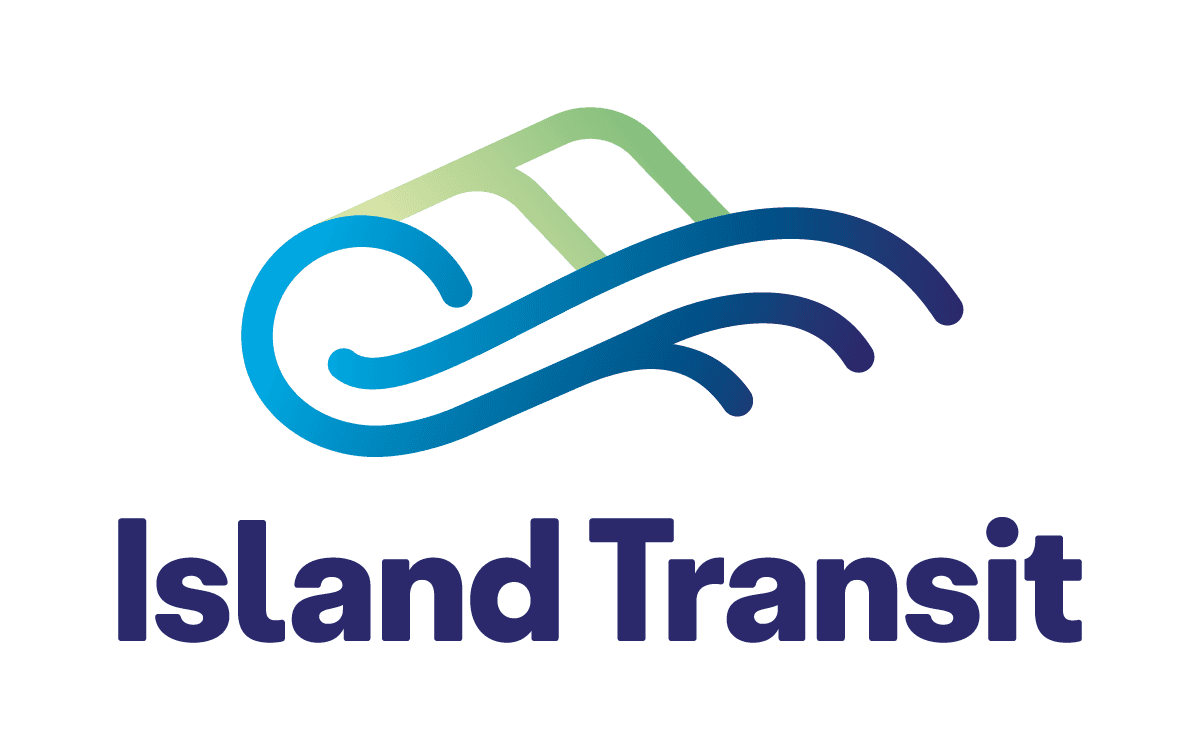
Getting around Island County takes a little planning but rewards the effort with some of the most scenic commutes and connections in Washington State. Whether you're catching a ferry from Clinton, riding a free bus from Oak Harbor to Coupeville, or crossing the dramatic narrows at Deception Pass, the county's transit options cover far more ground than first-time visitors expect.
Getting to Whidbey Island: Three Entry Points
Whidbey Island can be entered by bridge from the north or by ferry from the central or southern regions. Each route has its own character and suits different starting points on the mainland.
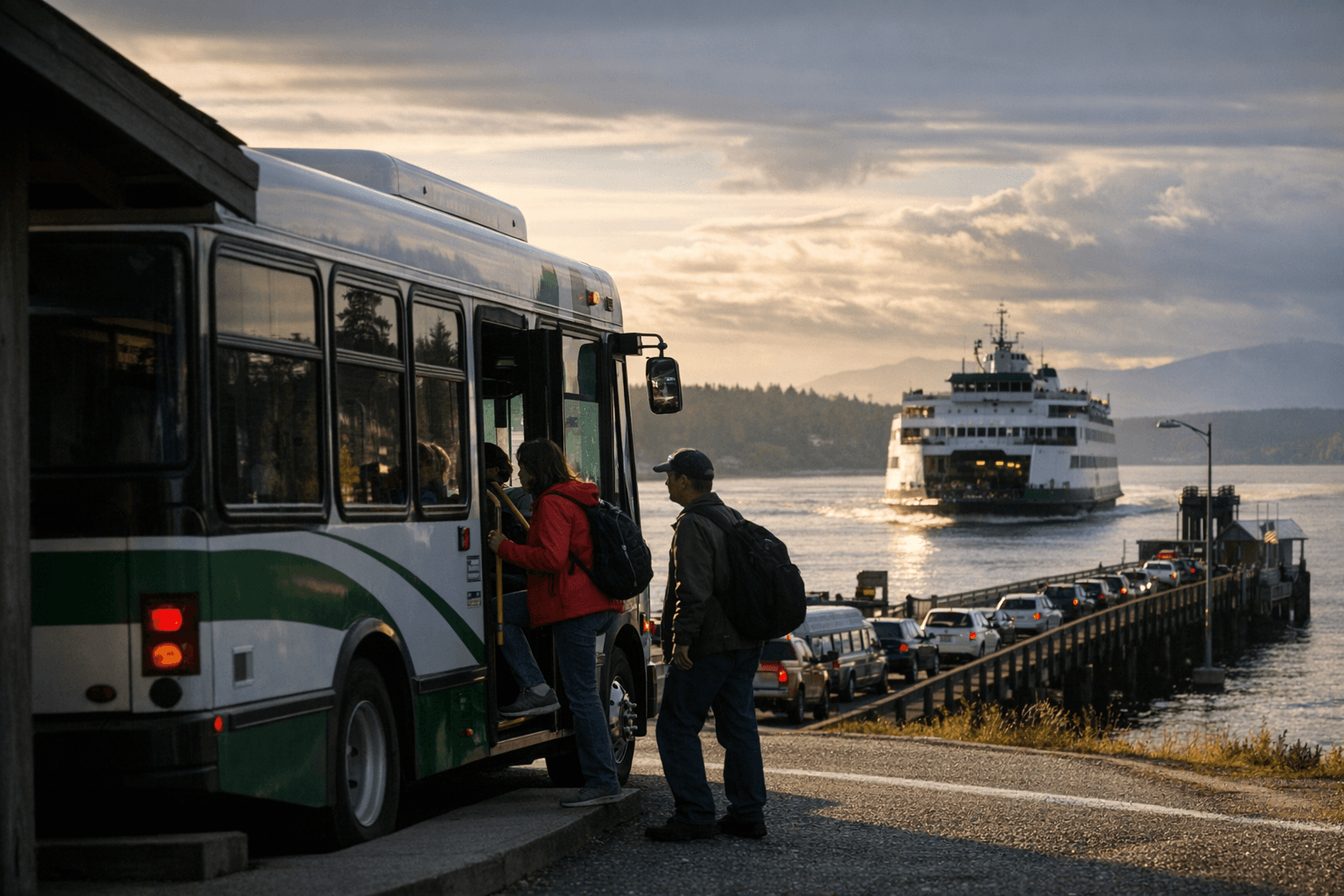
The most popular way to reach Whidbey is by the Mukilteo-Clinton ferry route. Driving north from Seattle, it takes about 40 minutes to reach the ferry dock in Mukilteo. From there, the ferry ride across Puget Sound to Clinton on Whidbey Island is just 20 minutes. The ferry between Clinton and Mukilteo runs from 5:30 a.m. until after midnight, and for most of the day, two boats sail the route, providing service every half-hour. No reservations are required for this crossing, but arriving early on busy summer weekends and Fridays is strongly advised. Walk-on passengers pay a fare to travel to Whidbey Island, but the return price for walk-on passengers is free. Children 17 and under ride free.
The second ferry route connects the Olympic Peninsula to central Whidbey. The Port Townsend-Coupeville crossing links the charming Victorian city of Port Townsend near scenic Fort Casey State Park on Whidbey Island, making it a convenient way to get between the Olympic Peninsula and the northern shore of mainland Washington. The Coupeville ferry terminal is located at 1400 South State Route 20, Coupeville, WA 98239. Typically, one boat sails this route, so departures are approximately every 90 minutes, and sailings are often canceled due to tide conditions, with advisories sent out. Reservations are strongly recommended for the Port Townsend-Coupeville ferry if you are traveling by vehicle — this route does sell out.
The third option is the Deception Pass Bridge in the north. The Deception Pass Bridge is the common name for two two-lane bridges on Washington State Route 20 connecting Whidbey Island in Island County to Fidalgo Island in Skagit County. These bridges connect Whidbey Island to the rest of Washington state via State Route 20 and provide the only land access on and off the island. Although you can drive to Whidbey Island by crossing the Deception Pass Bridge, this route takes about 90 minutes longer coming from metro Seattle. It remains the preferred entry for travelers coming from Anacortes, Burlington, or points north on Interstate 5.
Getting to Camano Island
Camano Island is accessible exclusively by road. From Interstate 5, drivers head west on State Route 532 across the Camano Island bridge, which connects the island to Stanwood on the mainland. There are no ferry routes serving Camano. This makes the island quieter and less trafficked than Whidbey, but it also means all connections to regional transit depend on the bridge and bus links at Stanwood.
Island Transit: Free Buses Across Both Islands
Island Transit is a rural transit agency offering zero-fare bus and paratransit service located on Whidbey and Camano Islands in Washington State. The system consists of fixed-route bus service, paratransit, and vanpools, and carried a total of 380,574 passengers in 2023. The fare-free model is funded through the local sales tax: bus service is funded through nine-tenths of one percent of Island County's local sales tax and supplemented by state and federal grants.
On Whidbey, buses run Monday through Friday from 3:45 a.m. to 7:50 p.m. and on Saturday and Sunday from 6:45 a.m. to 7:00 p.m. On Camano, service runs Monday through Friday from 5:45 a.m. to 8:00 p.m. and on Saturday and Sunday from 7:30 a.m. to 6:00 p.m. Island Transit does not operate on New Year's Day, Memorial Day, Independence Day, Labor Day, Thanksgiving Day, or Christmas Day.
Key routes on Whidbey include the spine of the island: Route 1 runs from Oak Harbor to Clinton via Coupeville, Greenbank, South Whidbey State Park, Freeland, and Bayview. Other routes cover Fort Casey, the Coupeville Ferry Terminal, and on Sundays, Route 4 runs from Oak Harbor to Deception Pass State Park. On Camano, Route 1C (West Camano Island) runs from Terry's Corner to Camano Plaza, Lost Lake, Cama Beach, Chapman, and Huntington, while Route 3C connects Terry's Corner to Stanwood with a connection to Community Transit.
Each bus is equipped with a bike rack and can safely accommodate two wheelchairs or mobility devices. Island Transit vehicles are equipped with bike racks for two and three bikes, with space available on a first-come, first-served basis.
Island Transit Go! On-Demand Service
Beyond the fixed routes, Island Transit operates a flexible on-demand service called Island Transit Go!. Island Transit's on-demand service is transportation when and where you need it. Island Transit Go! provides a flexible and convenient alternative to fixed route services, designed to improve connections to transit hubs and popular destinations such as shopping centers and grocery stores. The app-based technology matches multiple riders headed in a similar direction into a single vehicle, allowing for quick and efficient shared trips.
New on-demand zones take effect March 29, 2026, with updated Whidbey and Camano service guides available online. On-demand is a same-day service requiring at least two hours' notice for pickup, with the last reservation accepted at 4 p.m. Riders may also schedule trips up to two weeks in advance. To get started, Island Transit recommends calling dispatch at (360) 678-7771 to set up an account first before using the app.
Paratransit
In March 1992, Island Transit became the first agency in the state of Washington to operate paratransit service required by the new Americans with Disabilities Act. Island Transit is a fare-free public transportation service, and there is no fare for a paratransit companion. All Island Transit vehicles accommodate mobility devices, defined broadly as any class of three-or-more-wheeled devices designed or modified for individuals with mobility impairments, whether operated manually or powered. Paratransit riders interested in the on-demand service must complete a separate application process and register with dispatch before using the app.
Regional Connections Off-Island
Island Transit connects with several other transit systems, making it possible to travel from just about any location to Whidbey and Camano islands. Connections can be made from Community Transit in Stanwood, from Jefferson Transit in Port Townsend via the ferry, from Skagit Transit at March's Point or Skagit Station, or from train or transit at Everett Station.
For those traveling from Seattle, Community Transit's Route 417 bus offers direct service from downtown Seattle to the Mukilteo ferry terminal with five trips each weekday. Everett Transit offers service via Route 18 from its transit center to the ferry terminal, where you can walk on and connect to Island Transit to reach many locations on Whidbey Island.
To reach Camano from the south, Community Transit's buses 240, 247, and 422 serve the Stanwood Park and Ride, which is also served by Island Transit's Camano Route 3C. From the north, Island Transit operates Route 411C from the Mt. Vernon Skagit Station to Terry's Corner on Camano Island.
Practical Tips for Planning Your Trip
- Island Transit Service Guides contain maps and schedules for all routes on Whidbey and Camano islands and can be found at ferry terminals, bus stations, tourist information locations, and on the bus.
- Sign up for Rider Alerts via email or text message to stay informed about route changes, weather delays, and construction detours.
- Car reservations must be made for the Coupeville-Port Townsend Ferry, but reservations are not needed when riding with transit or as a walk-on.
- Plan to arrive at least five minutes early for scheduled bus stops.
- For trip planning on Whidbey Island, call (360) 678-7771; for Camano Island, call (360) 387-7433.
- Check low-tide warnings for the Mukilteo-Clinton ferry route, where large vehicles are sometimes restricted due to increased ramp angles.
Island County's transit network rewards those who take the time to understand it. The zero-fare buses, the twice-hourly Mukilteo-Clinton ferry, the scenic Port Townsend crossing, and the land route over Deception Pass each offer a distinct way onto these islands, and once you arrive, getting around without a car is more practical than most visitors expect.
This article was produced by Prism’s automated news system from verified source data, official records, and press releases, then run through automated quality and moderation checks before publishing. The system is built and supervised by the people who set the standards it runs under. Read our full AI policy.
Did this article answer your question?