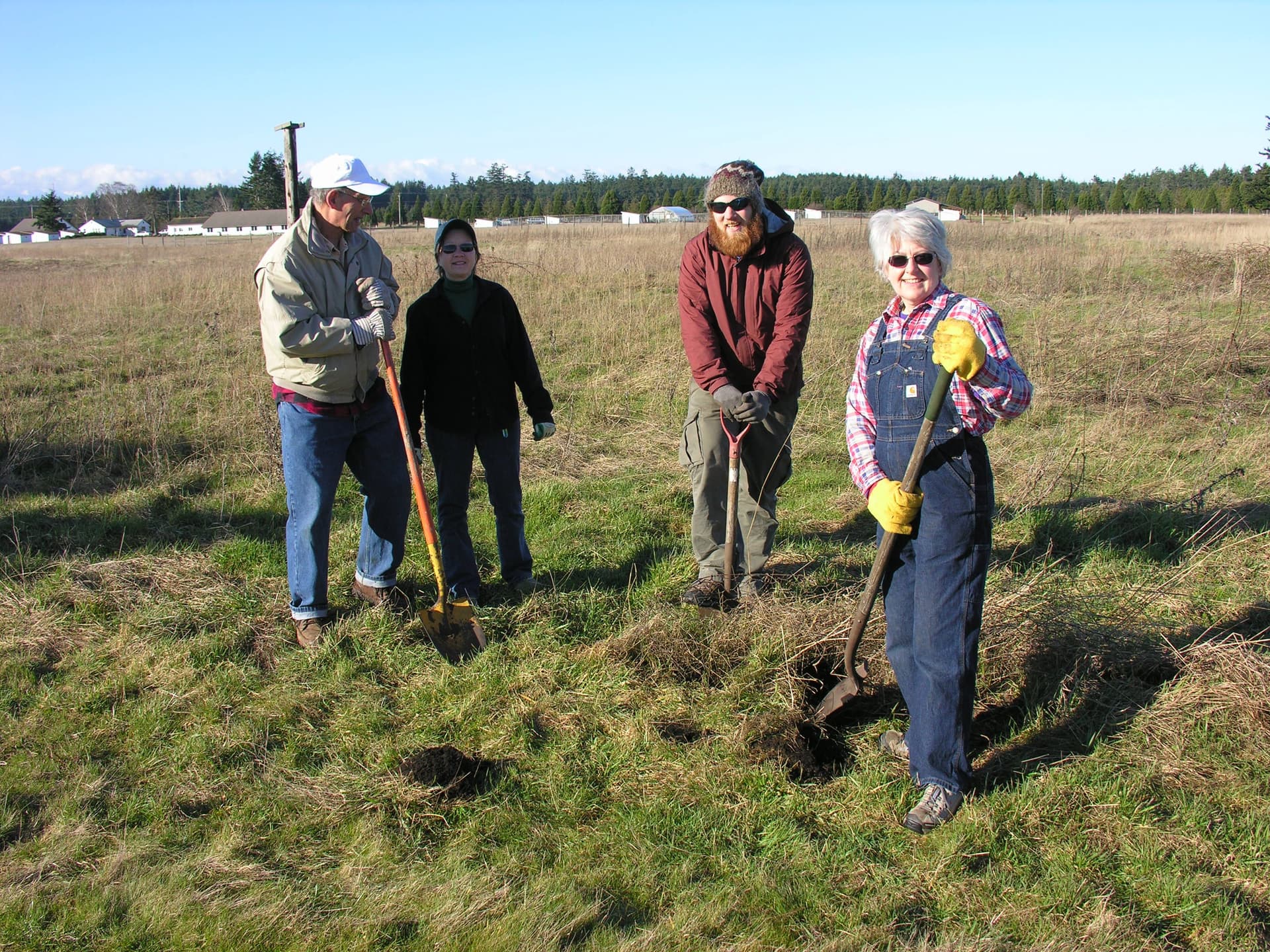
Island Roots Housing completes Langley workforce-housing project
Island Roots Housing finished Generations Place, 14 workforce units meant to keep local workers on Whidbey as Langley’s affordability squeeze deepens.
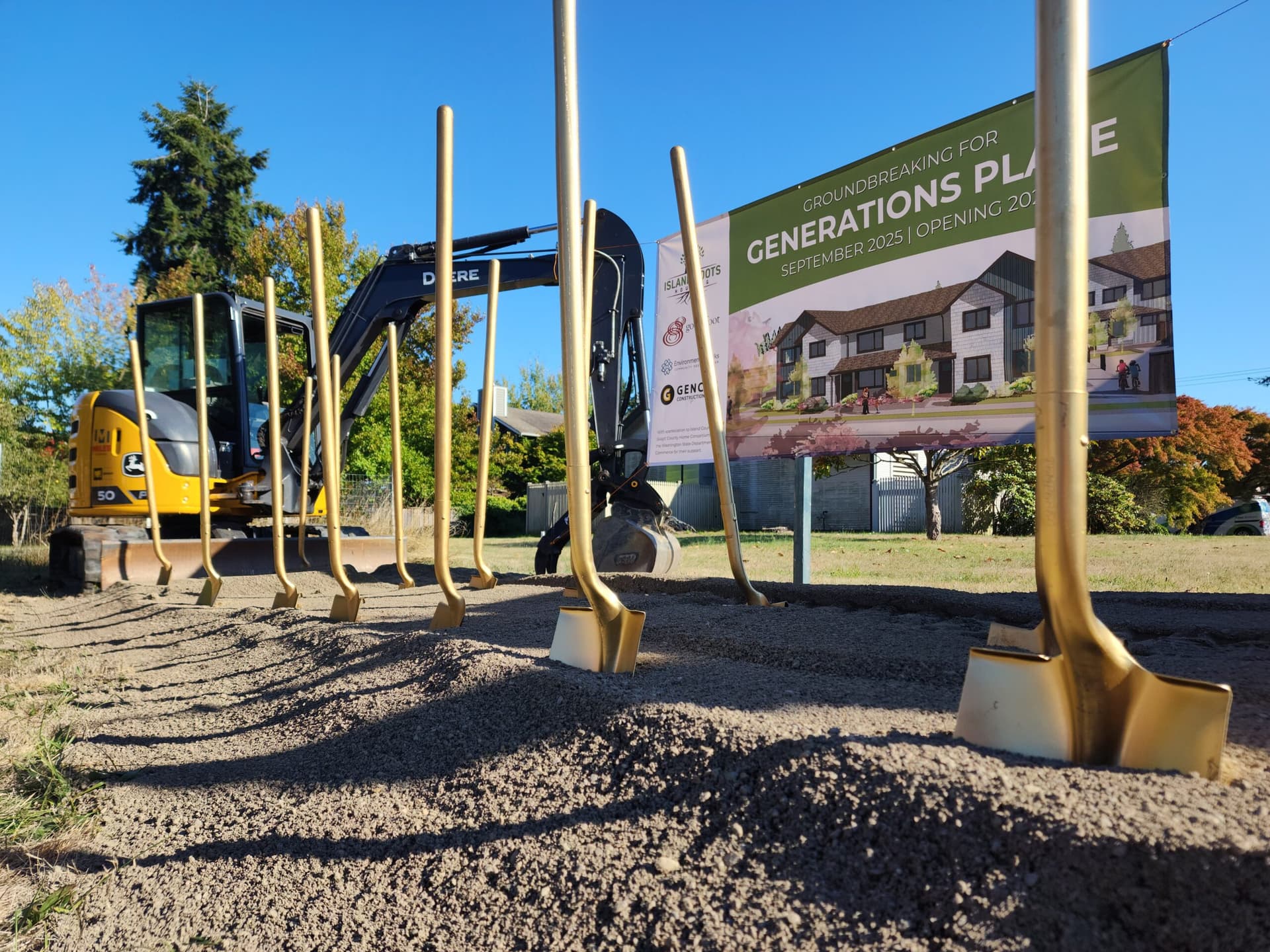
Fourteen new workforce homes in Langley are now complete, giving Island Roots Housing a tangible answer to a housing problem that has made it harder for working families to stay on Whidbey Island. The nonprofit marked the finish of Generations Place with a ribbon-cutting on June 9, closing out years of planning, design, construction and fundraising for a project built around stability, attainability and local jobs.
Island Roots presented the project as more than a new building. Leaders described Generations Place as the product of collaboration, with Goosefoot Community Fund among the partners that helped bring it to life and elected officials joining the celebration. Rep. Dave Paul attended, along with Goosefoot executive Elise Miller, Island Roots managing and governance leaders, and board member Ozell Jackson III.

The project’s scale is modest, but its purpose is direct: keep people who earn their living in the island economy from being priced out of the town where they work. Fourteen units will not solve Langley’s housing shortage on their own, yet the development gives Island County a visible example of workforce housing delivered on the ground, not just debated in policy discussions. In a market where many workers can no longer easily live near their jobs, even a small number of permanent homes can matter.
Ozell Jackson III tied Generations Place to the broader struggle of finding housing that ordinary working people can afford, while Langley Mayor Pro Tem Chris Carlson framed it as part of a much longer housing challenge facing the community. That combination of nonprofit development, donor support and public participation is now part of the model Island Roots is offering to other towns watching the same affordability pressure build across the county.
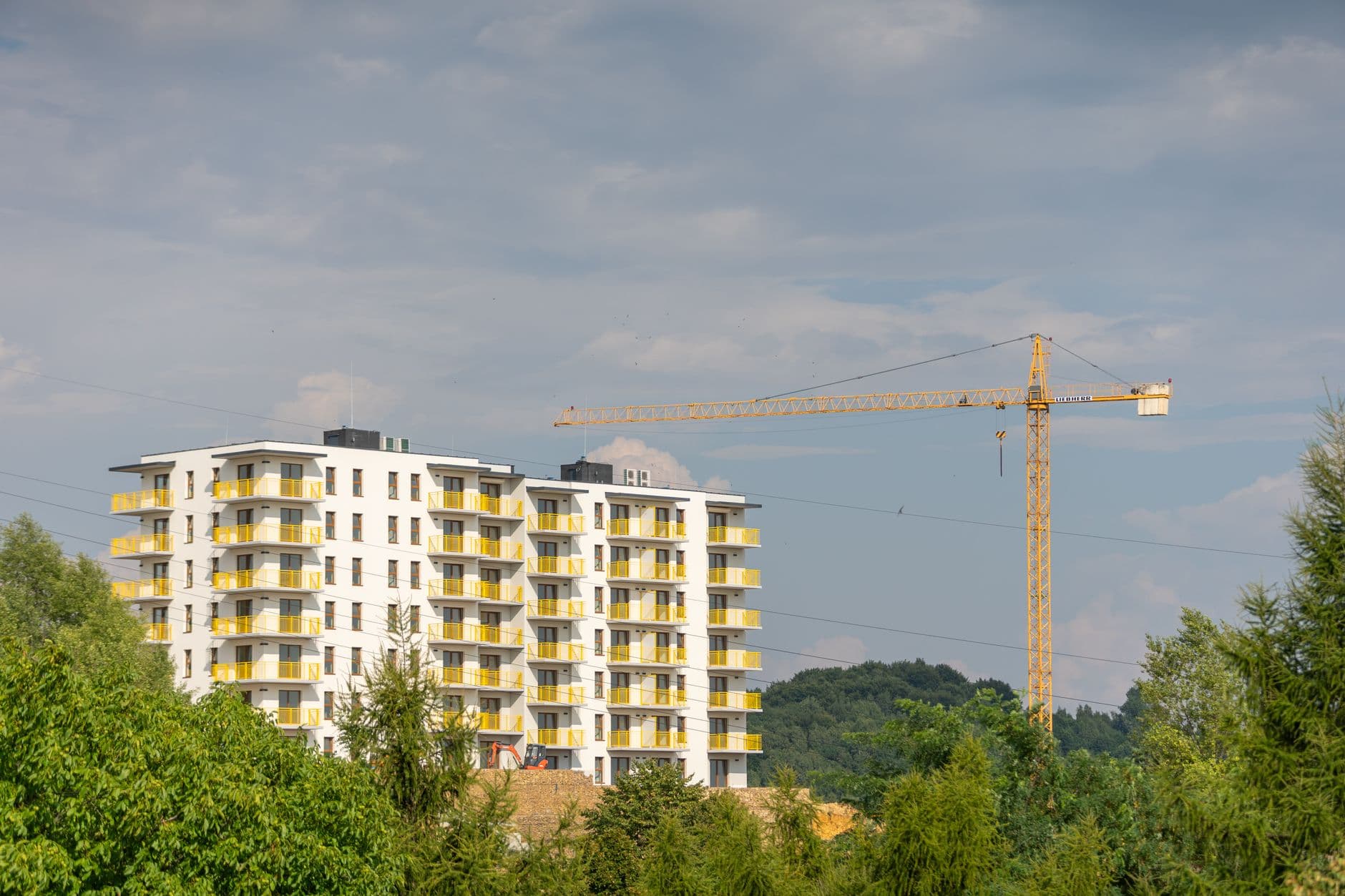
For Langley, Generations Place stands as both a community achievement and a reminder of how far the island still has to go. The new homes show that local partnerships can produce real units, but they also underline the larger truth behind Island County’s housing debate: demand remains higher than supply, and the gap continues to shape who can stay rooted here.
This article was produced by Prism’s automated news system from verified source data, official records, and press releases, then run through automated quality and moderation checks before publishing. The system is built and supervised by the people who set the standards it runs under. Read our full AI policy.
Did this article answer your question?