Joseph Whidbey State Park offers camping, paddling and birdwatching
Joseph Whidbey State Park is a compact West Whidbey escape with shoreline access, birdwatching and limited camping. Day visitors need a Discover Pass.
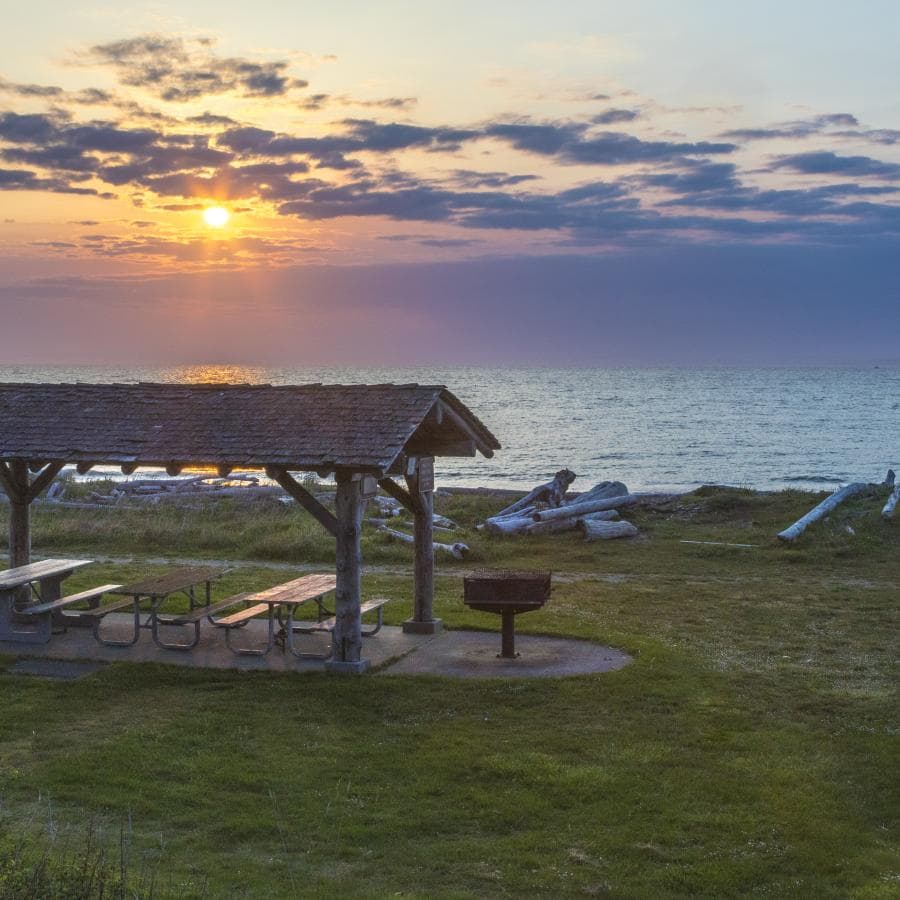
A short shoreline walk, a quick paddle launch and wetland birdwatching are the draw at Joseph Whidbey State Park, a low-commitment stop on the west side of Whidbey Island in Island County. It gives residents a simple public-waterfront option with enough amenities to work for families, paddlers and overnight campers who want a small, straightforward site.
A compact park with practical basics
The park has camping, sailing, canoe access, a picnic area, a picnic shelter, parking and an ADA-accessible restroom. That mix makes the park unusually flexible for its size, because it can serve as a lunch stop, a launch point and a place to linger for an hour or a full afternoon.
You do not need a long packing list or a full day’s itinerary to make the stop worthwhile. A picnic shelter and restroom make the park easier for families and older visitors; the canoe access and sailing access make it relevant to people who want to get on the water quickly; and the parking and picnic area support the kind of short, practical trip many Island County residents are looking for on a free afternoon.
What the shoreline offers
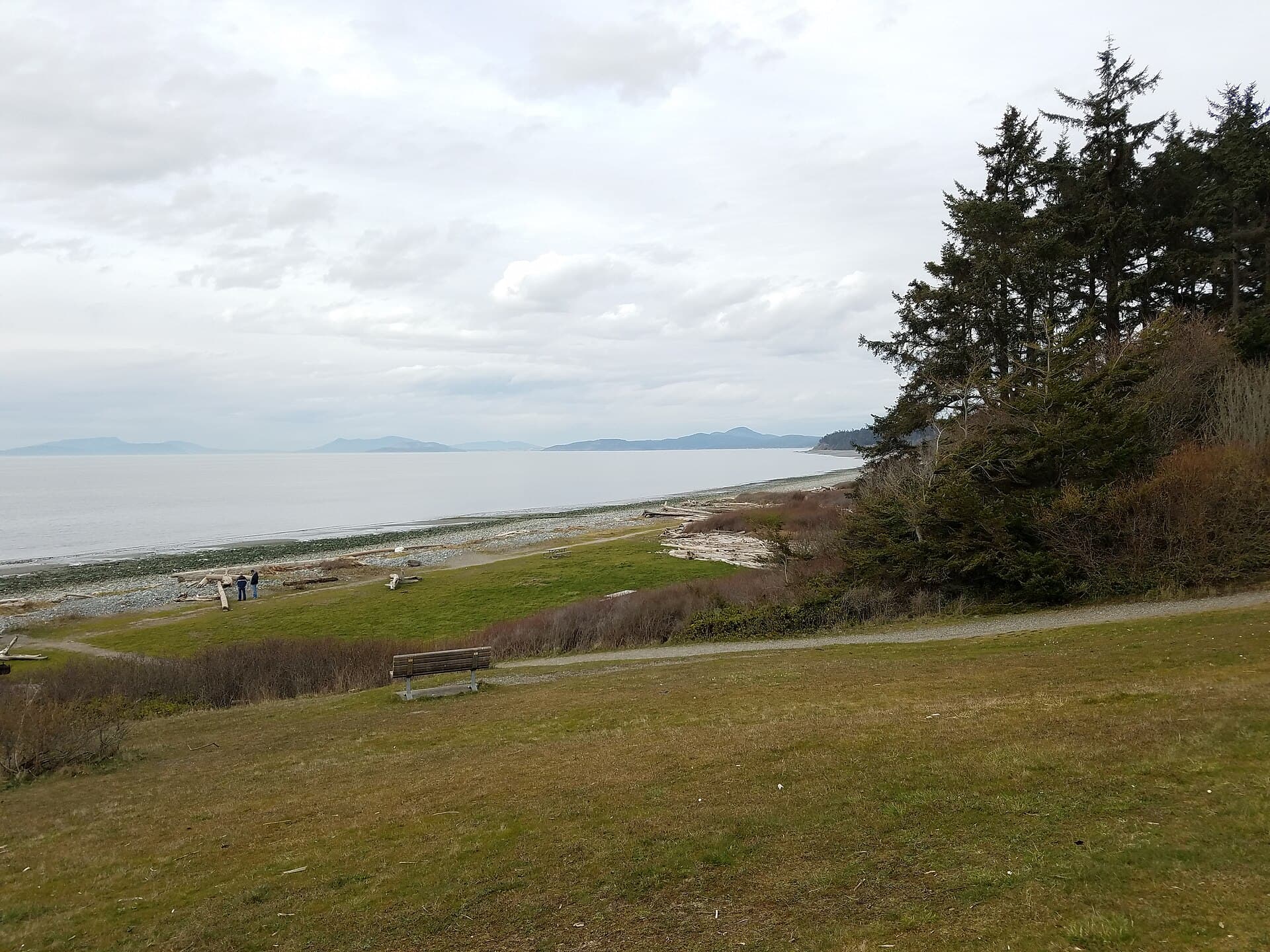
The park sits about halfway between Deception Pass and Point Partridge, just south of Rocky Point and Naval Air Station Whidbey Island. It is open to west wind and waves sweeping in through the Strait of Juan de Fuca, so the shoreline feels exposed rather than sheltered.
Despite the wind and wave action, the park has a public sandy beach, one of the few available landing sites on northwest Whidbey for paddlers and small-boat users who are looking for shoreline access without a long approach.
Birdwatching along the wetlands
The shoreline wetlands at the south end of the park and along the north boundary give Joseph Whidbey State Park a strong birdwatching identity. The Washington Water Trails Association lists red-winged blackbirds, swallows, cliff swallows, hawks, starlings, mallards, sandpipers and an occasional snowy owl at the site.
Common wetland and shoreline birds are easy to spot even on a quick walk.
Camping is limited, and that is the point
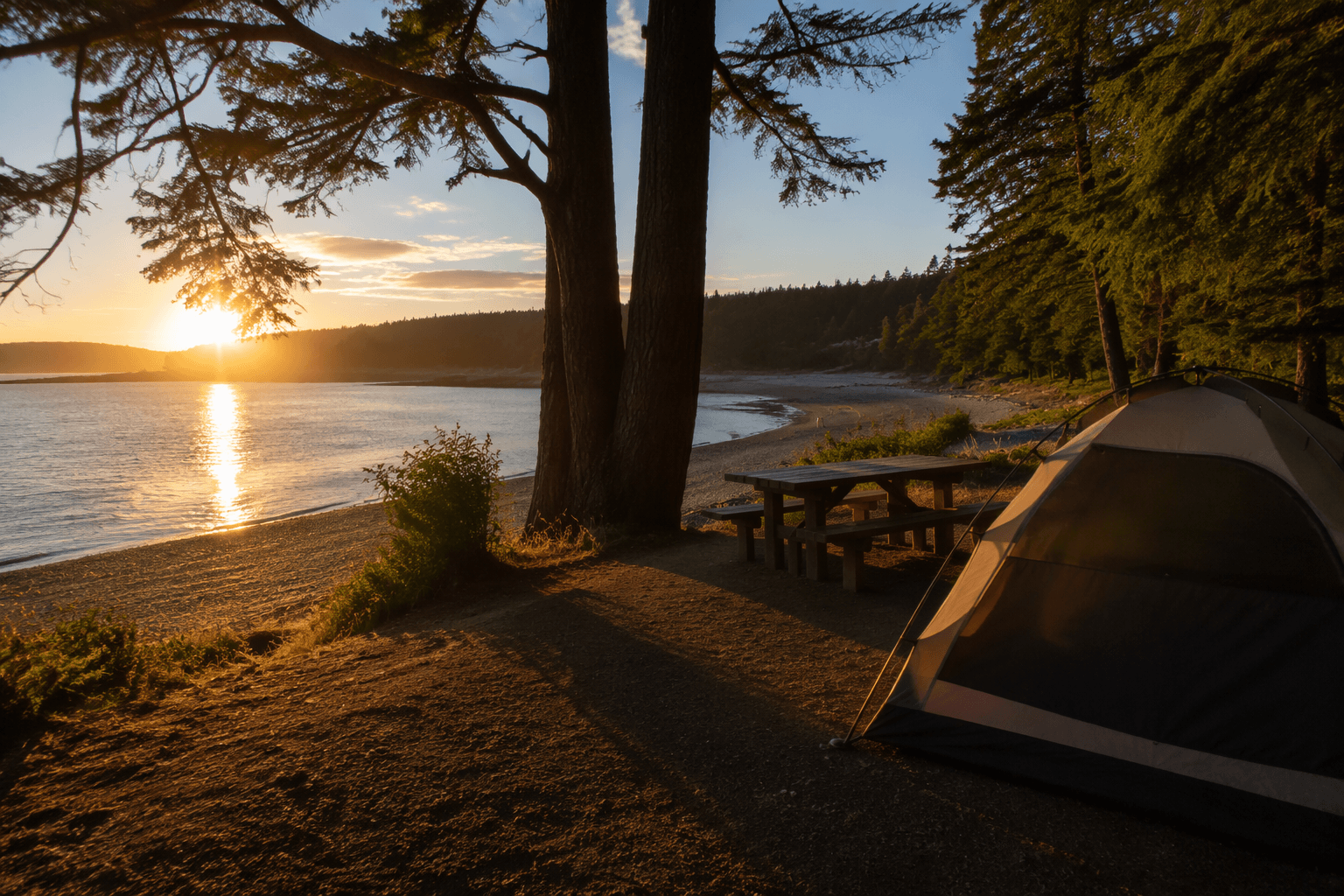
The Cascadia Marine Trail site is the only camping allowed there. Camping use is narrow and tied to marine-trail travel rather than a broad campground setup.
In practice, that makes Joseph Whidbey State Park better suited to people who are using the coast as part of a paddling route or who want a very modest overnight option near the water. It is not a place for a large campground feel, and it does not read like a park built around drive-in camping as a primary draw.
What the Discover Pass means for a visit
The most immediate planning detail for day visitors is the Discover Pass. A Discover Pass is required for day visits to state parks and other state-managed recreation lands. Washington State Parks sets the annual pass at $30 and the one-day pass at $10, with transaction and dealer fees possibly applying.
The annual pass is transferable between two vehicles, which can matter for households that split driving duties or switch between cars depending on the trip. That detail makes the annual pass easier to justify if you expect to use Joseph Whidbey State Park more than once, or if you also visit other state parks and recreation lands around Island County and beyond. For a one-time stop, the one-day pass keeps the visit affordable and simple.
- Annual Discover Pass: $30
- One-day Discover Pass: $10
- Fees may apply
- Annual pass transferable between two vehicles
A place with deep travel history
The site is a Cascadia Marine Trail location honoring more than 5,000 years of marine travel, and Washington State Parks' history page places Coast Salish people throughout Puget Sound before European contact.
The public landing site, the sheltered and exposed edges, and the modern canoe and sailing access all sit inside a travel corridor that long predates present-day park use.
Why the park’s low-key character has mattered locally
Joseph Whidbey State Park has also drawn attention because its future use has been watched closely in Island County. On May 20, 2016, the park was dropped from a list for possible development, a move covered at the time by the Whidbey News-Times. A South Whidbey Record editorial on May 27, 2016, followed after the park was spared from a pilot project that would have opened large portions of the park to private development.
Residents have seen it as more than open space: it is shoreline access that is accessible, modest and still publicly controlled.
How to decide if it fits your outing
Joseph Whidbey State Park is a good fit if you want one of three things: a short shoreline walk, a paddling or sailing access point, or a small overnight stop tied to marine travel. It also works well for birdwatching, especially along the wetlands at the south end and north boundary, where the mix of species is easy to observe without specialized gear.
It is less useful if you want a large beach, a broad campground or a park that feels secluded from wind and wave exposure.
This article was produced by Prism’s automated news system from verified source data, official records, and press releases, then run through automated quality and moderation checks before publishing. The system is built and supervised by the people who set the standards it runs under. Read our full AI policy.
Did this article answer your question?