Judge Orders Forfeiture of Seized Animals, Clearing Way for Adoptions
A judge on December 24 ordered forfeiture of animals seized in a 2024 North Whidbey cruelty investigation, allowing Whidbey Animals Improvement Foundation and other rescues to move animals toward spay, neuter and adoption. The decision relieves legal uncertainty that had left dozens of animals in protective custody and strained shelter finances, and it will directly affect local adoption opportunities and shelter resources.
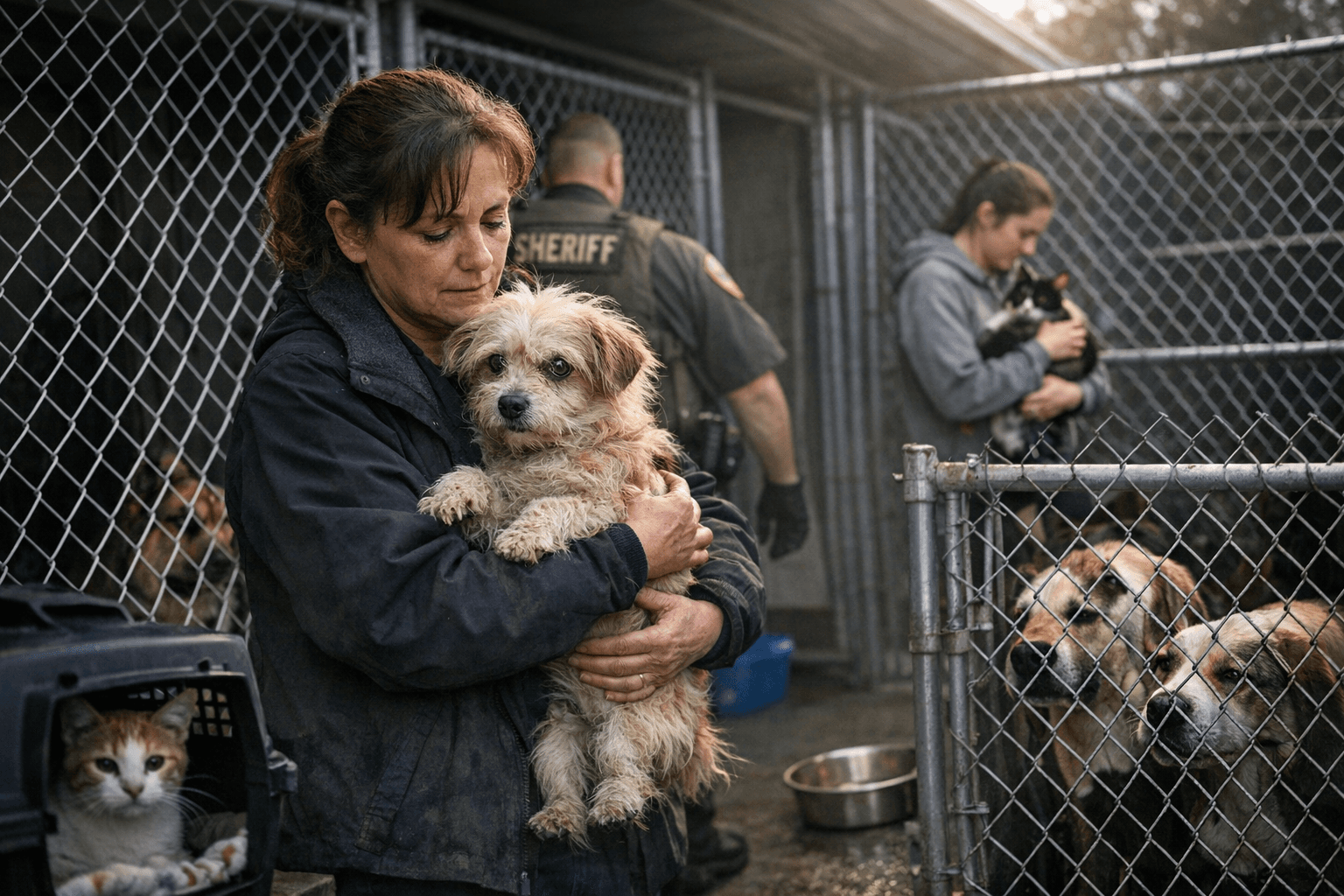
A superior court judge ordered forfeiture of animals seized last year from a North Whidbey property in the case against Kristi L. Finch, a decision that clears the legal path for rescues to rehabilitate and rehome the animals. Prosecutors filed a motion seeking forfeiture, and the court concluded that returning the animals to the defendant would be inappropriate. The order, issued December 24, lists 13 dogs, 16 cats and 4 chinchillas as forfeited at this stage.
The original seizure encompassed multiple species including horses, dogs, cats, chinchillas, pigs and rabbits. Veterinarian examinations documented serious health concerns, with many animals described as emaciated or suffering from untreated conditions. Several cats and dogs required significant medical treatment while in protective custody. Rescues including the Whidbey Animals Improvement Foundation provided months of care and boarding while the legal status of the animals remained unresolved, creating a measurable financial strain for the organizations involved.
For residents, the ruling matters in concrete ways. The forfeited animals will undergo spay and neuter procedures and rehabilitation before being placed for adoption, expanding the local pool of adoptable pets once they are medically cleared. For households considering adoption, shelters will likely announce availability only after animals complete medical and behavioral assessments. For community members who support animal welfare financially or through volunteering, the ruling reduces legal uncertainty that had limited shelters ability to plan budgets and care schedules.

The case also highlights broader policy and fiscal implications for Island County. When large multi species seizures occur, the immediate cost falls on local rescues and shelters that absorb veterinary bills and boarding expenses while courts adjudicate ownership. That dynamic can stretch limited budgets and reduce capacity for other intake. Going forward, the decision underlines the need for stable funding for emergency animal care, accessible spay and neuter programs to control population risk factors, and coordination between law enforcement, prosecutors and rescue groups to minimize prolonged custodial costs.
With the forfeiture order in place, the next months will focus on medical treatment, behavior rehabilitation and adoption preparation. Local shelters will need community support to convert a legal victory into successful placements and to shore up resources for future cases.
Know something we missed? Have a correction or additional information?
Submit a Tip

