Langley woodworker Don Wodjenski nears 1,000th bowl made from island wood
Langley woodworker Don Wodjenski is nearing his 1,000th turned bowl, a pandemic-era project that highlights local wood reuse and island craft resilience.
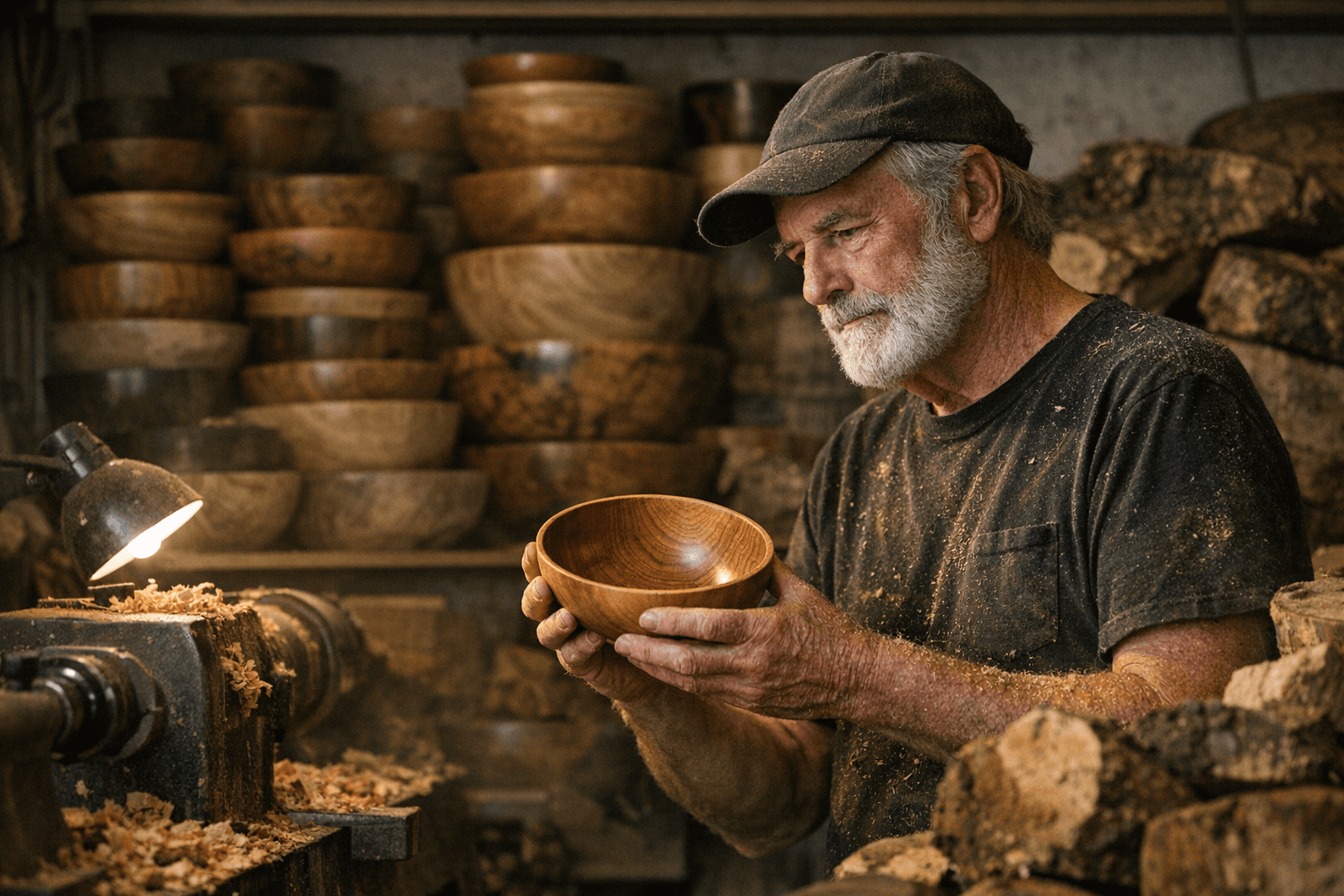
Langley resident and former educator Don Wodjenski is approaching his 1,000th turned bowl, the culmination of a multi-year project he began during the COVID era after initially setting out to make 100 bowls. The milestone reflects a deep turn toward local materials and hands-on making that many island residents embraced during the pandemic.
Wodjenski sources about 90 percent of his stock locally from island trees and fallen wood, working with a variety of species; available accounts include a fragmentary reference to "cherr" in the species list. The practice of reclaiming storm-felled and neighborhood wood keeps material in local circulation, reduces waste, and preserves the character of island trees in functional art.
The project began as a modest personal goal and grew into sustained production over several years, underscoring how craft served as an accessible form of creative labor and stress relief during periods of social isolation. As a former educator and lifelong woodworker, Wodjenski brings classroom skills and long experience to a community that values mentorship, skill-sharing, and practical knowledge.
For Island County, the local sourcing behind this body of work has several community implications. Reuse of fallen wood supports informal stewardship practices and can reduce pressure on commercial lumber markets. At the same time, the trend raises policy questions for local officials about access to salvaged wood, permit processes for removing timber from public property, and programs to facilitate equitable distribution of local resources for small-scale makers.
Public health and social equity are part of the story. Pandemic-era craft projects like Wodjenski's contributed to mental health coping strategies for many residents by providing routine, purpose, and connection. Supporting small makers and community workshops can advance social inclusion for older adults, low-income residents, and those seeking vocational or therapeutic outlets, particularly if such support is paired with affordable access to tools and reclaimed materials.
Wodjenski’s work also points to opportunities for community partnerships. Local governments, nonprofits, and health providers could consider wood-salvage coordination, maker-space subsidies, or intergenerational workshops to turn storm cleanup into local economic and social benefit. Those steps could help translate individual craftsmanship into broader community resilience.
As Wodjenski closes in on the 1,000th bowl, the project stands as a tangible symbol of island resourcefulness and pandemic-era adaptation. For readers, the milestone is a reminder that local materials and shared skills can yield environmental, cultural, and health dividends as communities plan recovery and support for small-scale makers.
This article was produced by Prism’s automated news system from verified source data, official records, and press releases, then run through automated quality and moderation checks before publishing. The system is built and supervised by the people who set the standards it runs under. Read our full AI policy.
Did this article answer your question?