Navy notice: no carrier-based training scheduled this week on Whidbey
A Jan. 9 community notice said there were no carrier-based flight trainings at NAS Whidbey for Jan. 12–18; residents should still expect other operations and possible noise.
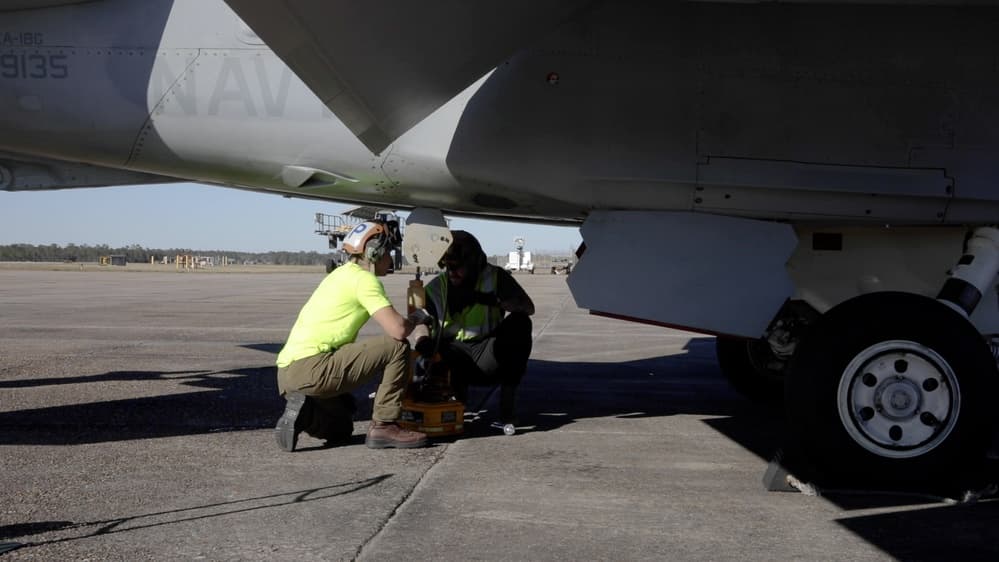
A January 9 community notice from Naval Air Station Whidbey Island said there were no carrier-based flight training operations scheduled at Ault Field or Outlying Field Coupeville for the week of January 12–18, 2026. The notice reminded island residents that Ault Field is a 24-hour operational facility and that other non-carrier-based training flights may still take place and be audible across Whidbey Island.
For communities facing overhead operations, the difference between carrier-based and other Navy training can be more than nomenclature. Carrier-based exercises typically involve jets operating at higher power and at times that draw attention, so the absence of those specific events this week is a relief for some households. At the same time, the base emphasized that routine training, maintenance flights and unscheduled activity can generate noise at any hour. The base also said it will notify the community if additional operations are added to the published schedule.
Noise from military flight activity is a public health and equity issue across Island County. Frequent or unexpected aircraft noise disrupts sleep, raises stress levels and can worsen cardiovascular and mental health conditions, especially for older adults, people with chronic illness and children. Households without air conditioning or with thin insulation - common in rental housing and older homes on the island - are less able to buffer sound, making noise a social equity concern. For people who work nights, caregivers and those seeking quiet for recovery or study, unpredictable training can interfere with daily life and economic opportunity.
Local officials and public health partners have long urged transparent, timely communications between the base and neighborhoods. Predictable schedules and advance warnings reduce the harms of noise by helping families plan sleep and outdoor activities, and by allowing schools and health programs to adjust. Residents who feel disproportionally affected by repeated flights may consider documenting times and impacts and raising concerns with county offices or the base community liaison so cumulative effects are tracked.

The ongoing presence of a 24-hour military airfield means noise will remain part of the island soundscape. Yet clear schedules and honest communication make a difference for families, farmers and small businesses that rely on predictable quiet for livestock, tourism and remote work. Community members should keep an eye on posted schedules, plan around likely noise windows when possible, and share concerns with local officials so mitigation options remain on the table.
Our two cents? Close windows during peak operations, use earplugs or white noise for sleep, note times of disruptive flights, and let county or base contacts know how noise affects your household so Island County can push for fairer, healthier solutions.
This article was produced by Prism’s automated news system from verified source data, official records, and press releases, then run through automated quality and moderation checks before publishing. The system is built and supervised by the people who set the standards it runs under. Read our full AI policy.
Did this article answer your question?