Oak Harbor Alum’s Prom-Dress Fundraiser Builds Tanzanian Water Well
An Oak Harbor High School alum living abroad used a bright pink 1980s prom dress and a Facebook pledge to turn a class reunion stunt into funding for a clean water well in Tanzania. The grassroots effort, completed with nonprofit E.P.I.C. (Everyday People Initiating Change), highlights local civic creativity and the global public health impact Island County residents can help achieve.

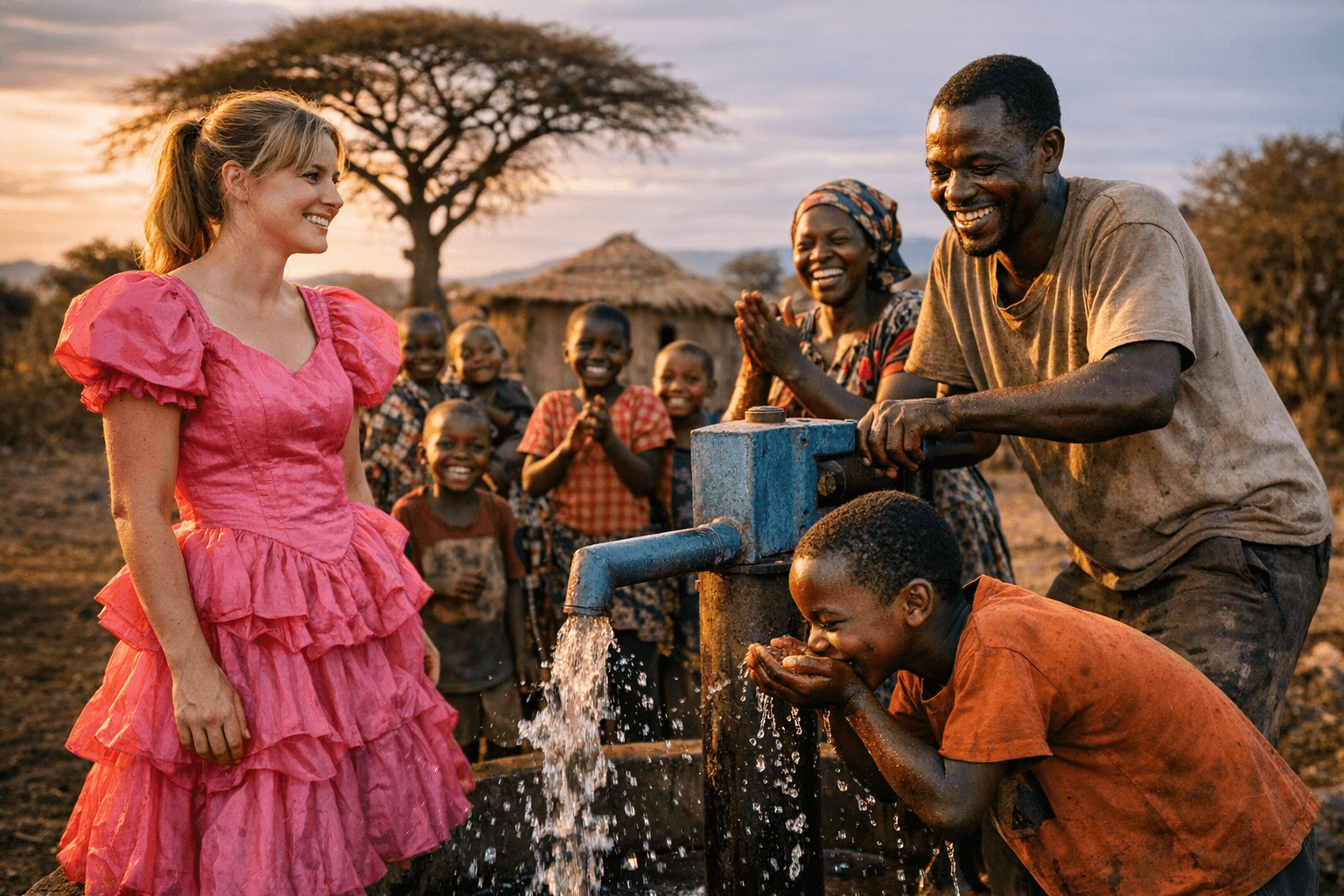
On January 6, 2026, Susan Lindgren, an Oak Harbor High School graduate now living abroad, wore her bright pink 1980s prom dress to her 30-year high school reunion after classmates met a fundraising pledge she posted on the class Facebook page. The stunt was more than a nostalgic costume choice: classmates donated to Lindgren’s campaign, she met and exceeded her fundraising target, and she directed the funds to a clean water well project in Tanzania through E.P.I.C. (Everyday People Initiating Change).
Lindgren then traveled to Tanzania and worked with E.P.I.C. to complete the well. She has documented the planning, construction and early results on YouTube and Instagram, providing a real-time look at how a small, locally organized effort translated into an essential public health intervention abroad.
Access to safe water is a foundational public health need. Clean wells reduce rates of diarrheal disease, support hygiene and sanitation, and contribute to improved child health and school attendance. For women and girls, local wells can mean reduced time spent collecting water, increasing opportunities for education and economic activity. The results from Lindgren’s project illustrate how targeted community fundraising can produce measurable health benefits and advance gender equity in low-resource settings.
The campaign also highlights the social power of alumni networks and online community organizing. A single social media post and a playful promise mobilized donations and sustained engagement, demonstrating a model Island County neighbors and local organizations can study when thinking about international solidarity projects or local outreach campaigns. The project underscores the potential for small-scale civic action to produce tangible development outcomes when paired with an established implementing partner.
For Island County, Lindgren’s work is a reminder that local identities and relationships extend globally, and that residents’ creative civic impulses can translate into meaningful health improvements for communities far beyond our shores. The effort also raises questions for policymakers and public health planners about how local governments and nonprofits might support diaspora-led initiatives, foster ethical partnerships, and encourage community-level philanthropy that respects local leadership and sustainability.
Lindgren’s documentation of the project on YouTube and Instagram offers ongoing visibility into the well’s use and impact. Her campaign provides a replicable example of community-minded fundraising, ethical partnership with a nonprofit, and the public health benefits that follow when neighbors mobilize resources for clean water.
This article was produced by Prism’s automated news system from verified source data, official records, and press releases, then run through automated quality and moderation checks before publishing. The system is built and supervised by the people who set the standards it runs under. Read our full AI policy.
Did this article answer your question?