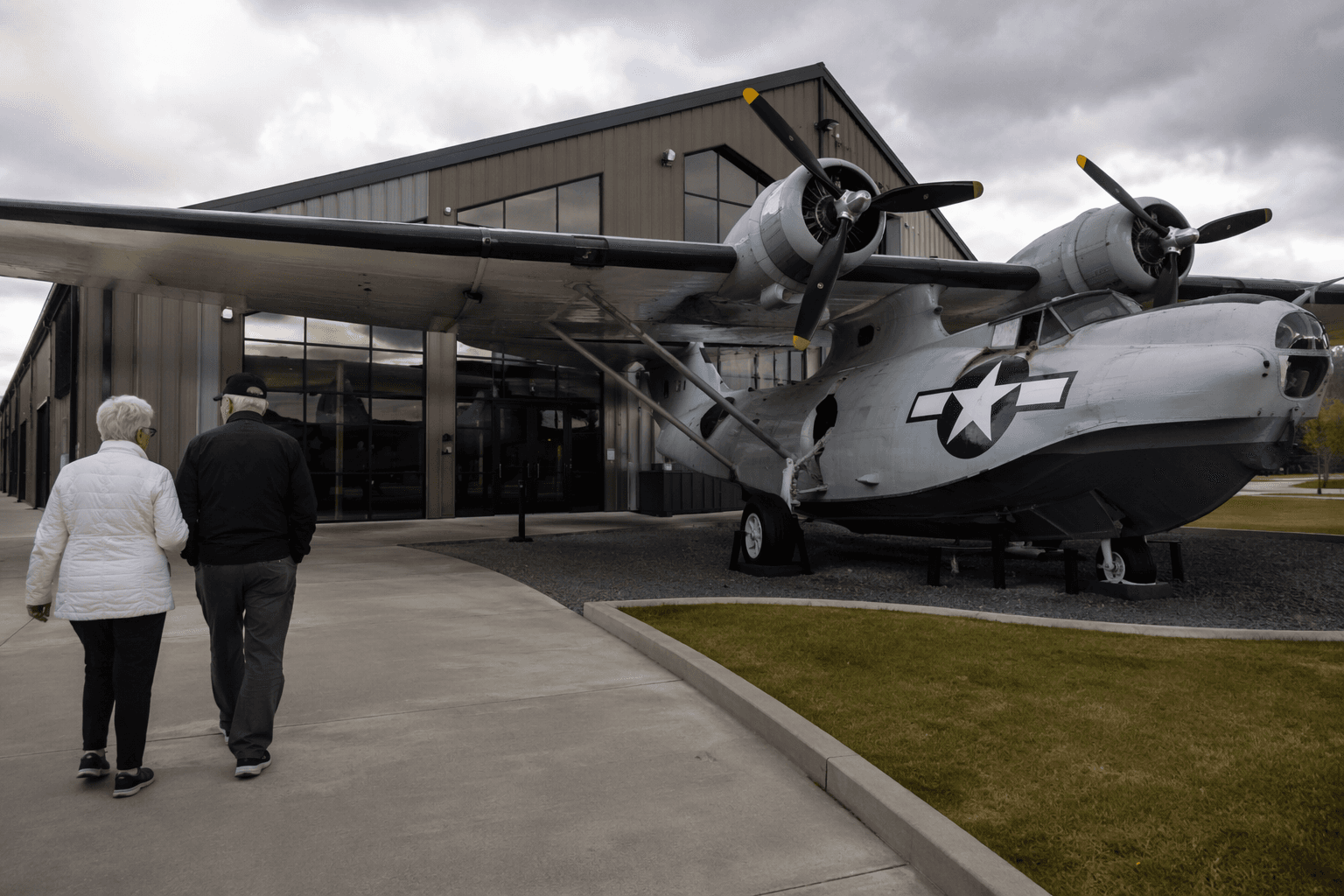
Study backs Whidbey residents’ complaints about Growler noise
A new survey of 663 responses backs what Whidbey residents have said for years: Growler noise is loud, disruptive and tied to documented complaints across western Washington.

Whidbey’s Growler fight got fresh backing from a new study that found residents were not imagining the noise they hear over Oak Harbor, Central Whidbey and beyond. The survey and complaint analysis presented at a Sound Defense Alliance panel on March 26 showed that people generally rated EA-18G Growler noise louder than traffic or commercial flights, and that those perceptions lined up with measured exposure.
Researchers from the University of Washington and Omnifishient Consulting mailed the survey to 10,000 households in nine counties, including homes on Whidbey Island. Only 663 people responded, but the sample still pointed to a broad local burden: 31% of respondents currently served or had served in the military, and the findings suggested that veterans and nonveterans alike felt the effects of the jets. That matters in Island County, where the debate has long been split between military service, national defense and the reality of daily life under the flight path.
The study did more than ask people how they felt. It also reviewed complaint records submitted over multiple years, including complaints sent to a Navy line from 2021 through 2023 and earlier reports through Quiet Skies Over San Juan. That gives the findings a different weight than a simple opinion survey. It shows the frustration is not just emotional or episodic, but documented over time in the words people used to describe interrupted sleep, stress and day-to-day disruption.
That lines up with earlier University of Washington work released in 2024, which estimated Growler noise could affect the health of about 74,000 people and found some events above 100 decibels at monitoring sites on Whidbey Island. University of Washington researchers also said military flight noise was the largest source of noise pollution on the Olympic Peninsula. Together, those studies strengthen the argument that the sound footprint reaches far beyond the base fence line and into homes, schools and neighborhoods where people are trying to sleep, study and work.
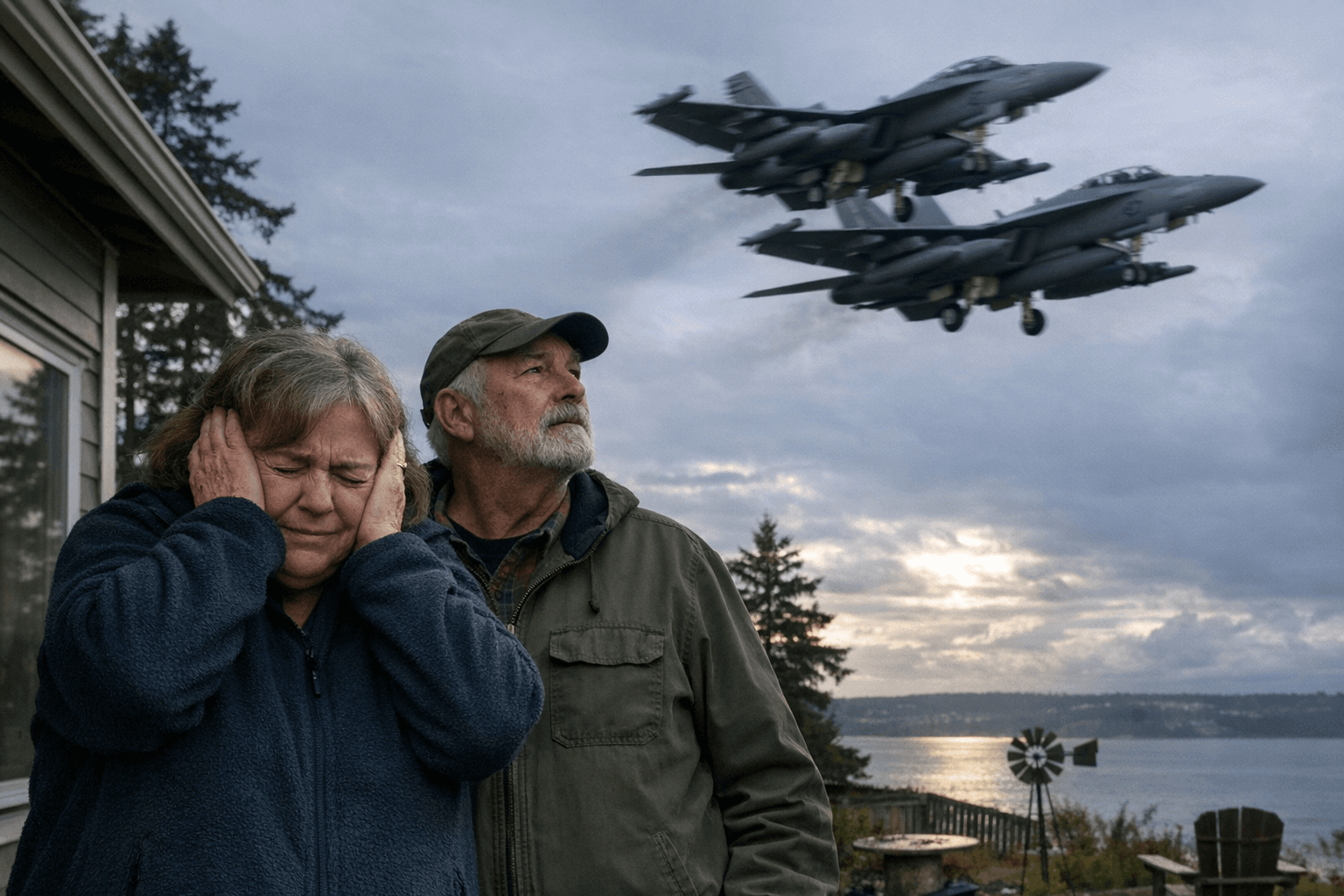
The latest findings land while the broader legal and political fight continues. A federal judge ordered the Navy to redo its environmental review of expanded Growler operations and later set a May 1, 2025 deadline for the revised impact statement, while allowing operations to continue. The Navy’s own fiscal 2020 NDAA-required sound study compared measured jet noise at NAS Whidbey Island and NAS Lemoore with modeled data, and Sound Defense Alliance says Growler impacts extend across at least seven Washington counties.
For Whidbey residents, the new study does not end the dispute. It does sharpen it. The research supports what many in Oak Harbor, Central Whidbey and San Juan County have been reporting for years: the Growler debate is not only about aircraft and airspace, but about sleep, health and whether ordinary life near NAS Whidbey Island can be separated from the roar overhead.
This article was produced by Prism’s automated news system from verified source data, official records, and press releases, then run through automated quality and moderation checks before publishing. The system is built and supervised by the people who set the standards it runs under. Read our full AI policy.
Did this article answer your question?