Volunteers and Fire Crews Rescue Man and Dog from Bluff
Crews from local fire and rescue agencies performed a technical rescue on November 28, 2025 after a man and his dog became stranded on a steep shoreline bluff. The successful extraction without serious injury highlights the value of trained volunteer and career responders, and raises questions about public safety and emergency resource needs for shoreline access.
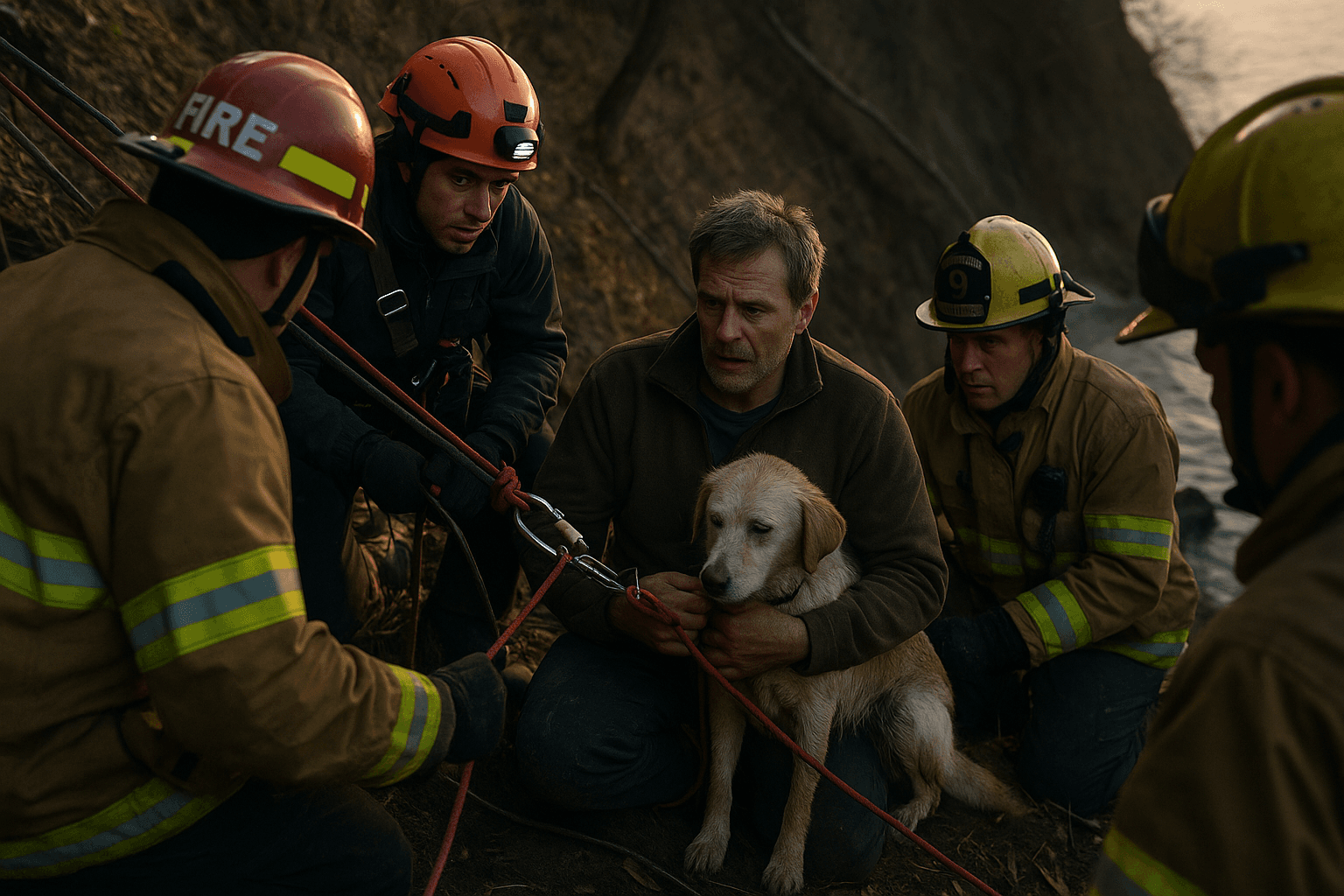
On November 28, 2025 Island County fire and rescue personnel responded to a call for help after a man and his dog became stranded on a steep shoreline bluff. The dog was affectionately identified in coverage as "Willie Nelson." Crews used established technical rescue rope and rigging techniques and careful personnel placements to reach and extract both the person and the animal, and emergency crews reported no serious injuries.
Responders from multiple local fire and rescue agencies, including both volunteer and career firefighters, worked together to secure the scene and lower rescuers and equipment to the steep slope. The operation required specialized rigging systems and deliberate movement to prevent rockfall and further collapse of unstable ground. The coordinated effort took place in challenging coastal conditions that can change quickly with tides and weather.
The incident underscores the risks posed by shoreline bluffs to residents and visitors. Bluff failures and unstable ground are common along parts of Island County shoreline, and emergency responses to these hazards can put additional strain on volunteer dependent departments. Technical rescue calls demand time, training and equipment, and they can pull personnel away from other community needs during busy periods.
From a public health perspective, bluff rescues involve exposure to cold, wet conditions and a risk of traumatic injury, which in turn affects local emergency medical services. Preventing such incidents reduces the likelihood of hypothermia and crush injuries and limits the need for costly emergency interventions. The rescue also highlights broader equity issues about access to safe recreation and the need for clear public education about coastal hazards, particularly for residents who may rely on informal or remote access points.
Local leaders and emergency managers may need to review outreach, signage and funding for training to keep pace with recreation use of the shoreline. For residents, the practical takeaway is to avoid cliff edges and unstable ground, to check tide and weather conditions before visiting shorelines, and to recognize that volunteer firefighters are a limited but highly trained asset serving the community. The teamwork displayed in this extraction exemplifies that training and mutual aid can bring people and pets to safety when accidents occur.
This article was produced by Prism’s automated news system from verified source data, official records, and press releases, then run through automated quality and moderation checks before publishing. The system is built and supervised by the people who set the standards it runs under. Read our full AI policy.
Did this article answer your question?