Volunteers turn gray whale carcass into Island County classroom tool
Volunteers hauled a 40-foot gray whale skeleton from Camp Casey to Oak Harbor after 10 months in horse manure, turning a July 2025 stranding into a classroom display.

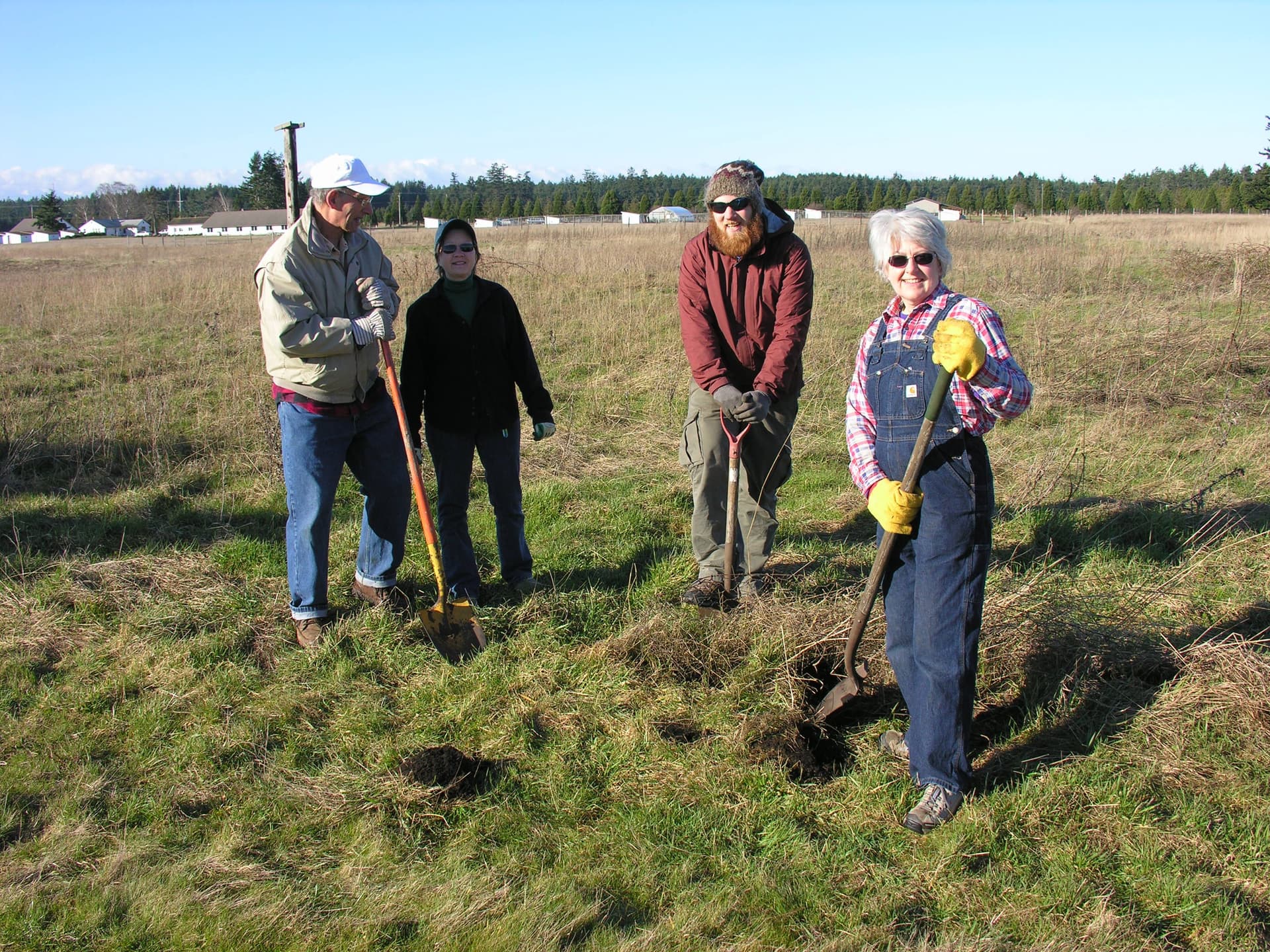
A gray whale that washed ashore at Ebey’s Landing last summer is being turned into something far beyond a curiosity: a hands-on teaching specimen for Island County schools, camps and visitors. After about 10 months buried in horse manure at Camp Casey to speed decomposition, volunteers dug out the bones, cleaned them and loaded them into pickup trucks for the next stage of restoration in Oak Harbor.
The June 12 recovery effort showed how much work stands behind a museum-quality skeleton. Volunteers used rakes and wire brushes, and the whale’s skull reportedly took five people to lift. The bones were moved to a property in Oak Harbor, where they will dry and bleach in the sun before further restoration. What began with a 40-foot adult female gray whale washing ashore on Whidbey Island in July 2025 has become a long, physical project that required marine science expertise, camp logistics and a steady volunteer bench.
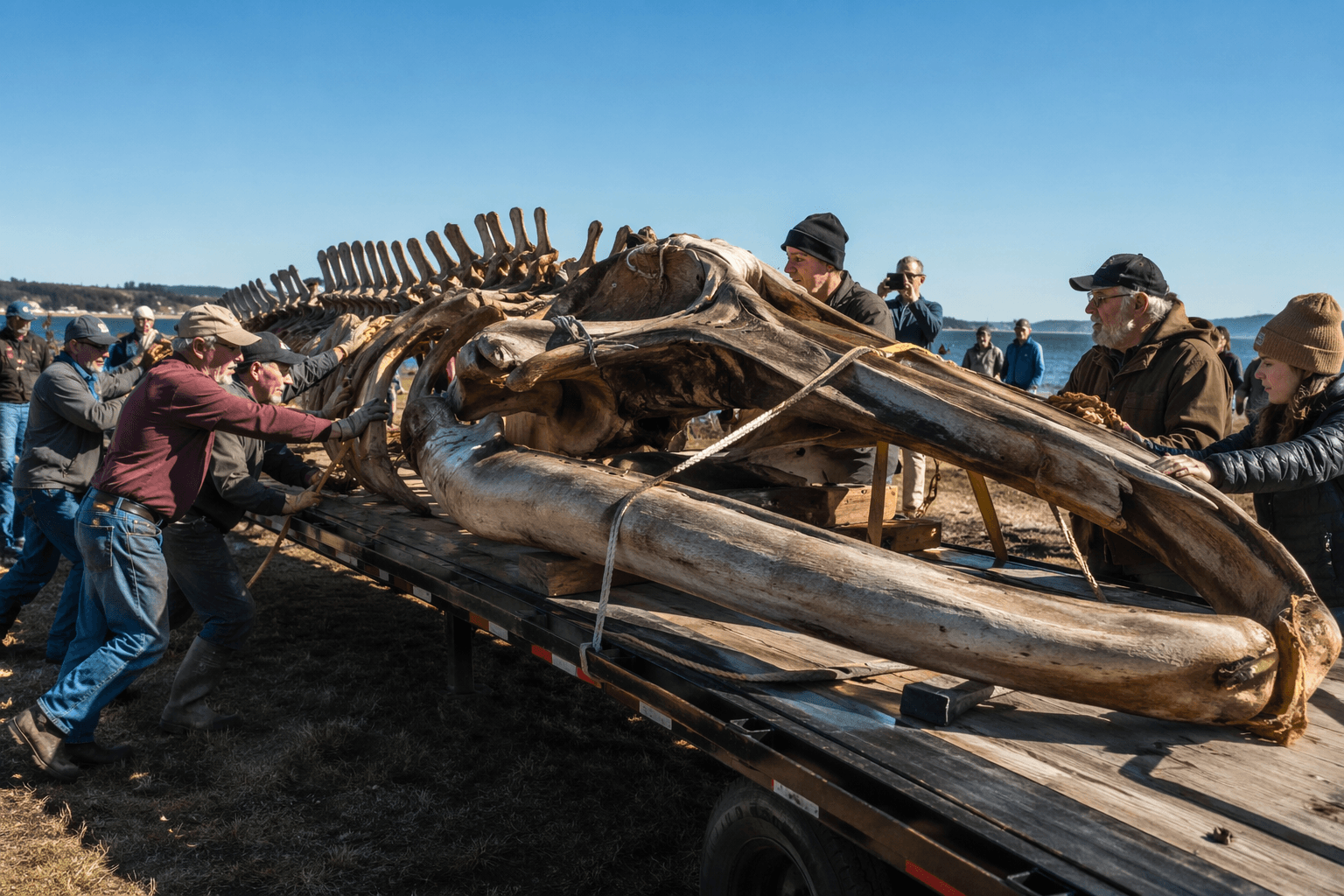
More than 70 physicians, researchers, marine biologists and university students took part in the August 2025 bone-removal effort after YMCA Camp Casey obtained special permission to debone the whale so it could become an educational display. Jake Carlson, the camp’s executive director, said the process has shown him that working together is a Whidbey strength. Education specialist Allie Hudec said the whale’s eventual display is meant to become a centerpiece for future learning opportunities.

The project lands at a time when gray whale strandings have raised alarms across Washington. Cascadia Research Collective said Washington had documented nine dead gray whales by April 13, 2026, then 16 by April 28 and 19 by May 13. Researchers said many of the stranded whales showed signs of malnutrition, deepening concern about recovery after the 2019-2023 unusual mortality event that hit the Eastern North Pacific gray whale population.
That broader science context is part of why the Whidbey whale matters. Lauren Hunter is building Whale Camp for students from June 22 through July 2 to teach whale anatomy and conservation, extending the carcass project into a planned education program. Orca Network’s Whale Center in Langley adds another local site where whale education already has a foothold, giving Island County a rare chance to connect a single stranding with lasting public learning.
This article was produced by Prism’s automated news system from verified source data, official records, and press releases, then run through automated quality and moderation checks before publishing. The system is built and supervised by the people who set the standards it runs under. Read our full AI policy.
Did this article answer your question?