Whidbey fire crews clear overgrowth to protect homes, improve access
Crews cleared overgrowth in Island County neighborhoods, opening access and cutting fire risk. Here is what Whidbey homeowners can do now to harden their property.

Overgrowth is being cut back before fire season peaks
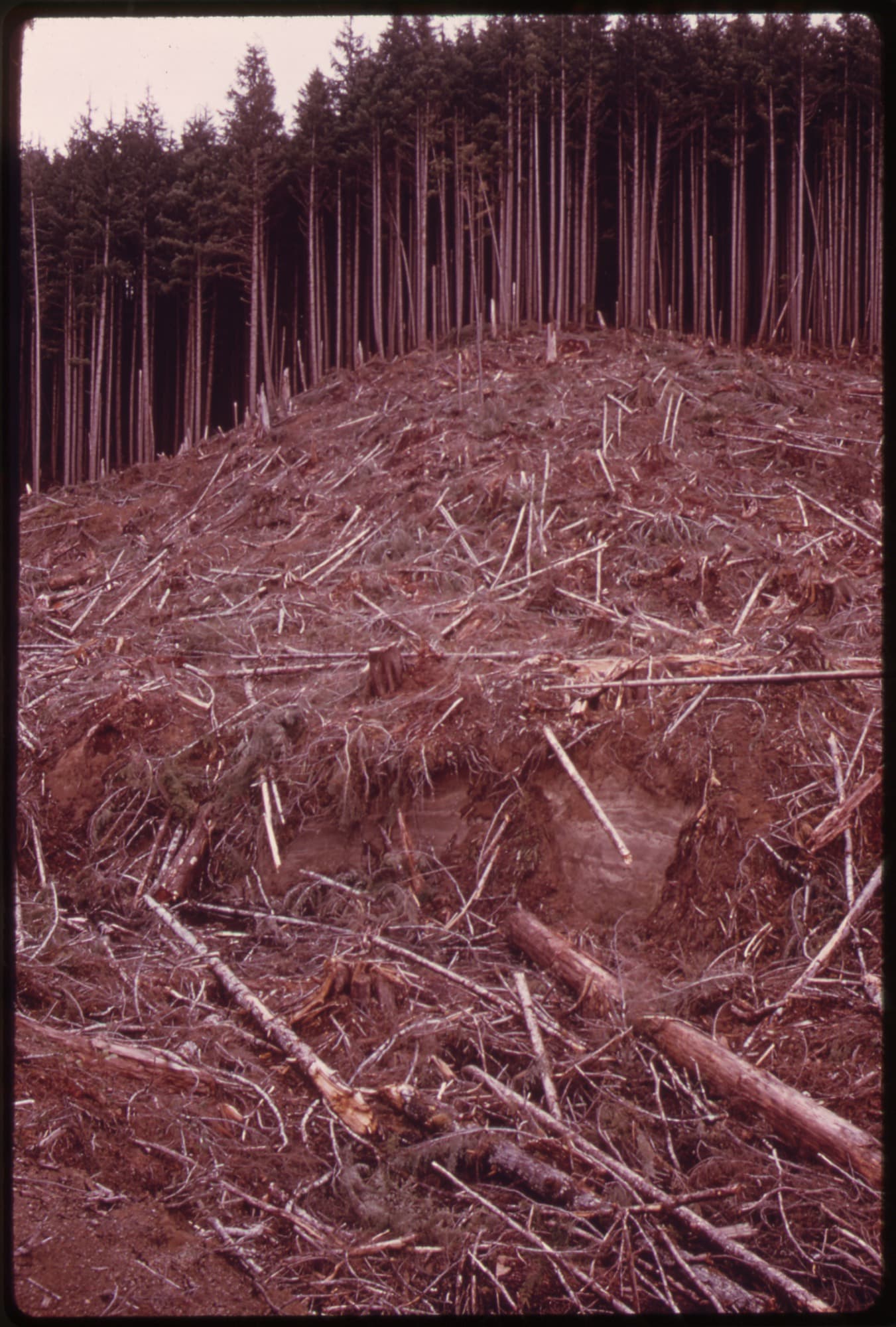
Whidbey residents who spent part of last week watching crews chip brush and haul away limbs saw more than a cleanup. The work was aimed at the places where a wildfire would hit first: the home itself, the space around it, and the narrow routes emergency vehicles need to reach it. Fire crews from the Washington Department of Natural Resources used chainsaws, wood chippers, and hand tools to clear overgrowth around homes in four communities across Oak Harbor, Coupeville, and Langley.
The practical goal is straightforward. By reducing vegetation close to houses and keeping access open, crews are trying to make homes easier to defend and neighborhoods easier to reach if flames move fast. The island is not waiting for smoke to force the issue. It is using a season of visible, physical work to lower the odds that one hot, windy afternoon becomes a neighborhood emergency.
Where the island is most exposed
The places getting attention are not random. Whidbey’s wildfire-resilience materials point to two conditions that raise the stakes: west-side communities in forested bluff zones face prevailing summer westerly winds, while central Whidbey sits in the Olympic rain shadow. That combination helps explain why neighborhoods that look green and familiar can still be vulnerable when fuel dries out.
Two examples show why the work matters. In Coupeville’s Pondilla Estates, crews focused on one home after previous owners had opted out of the program, leaving vegetation thick and a path toward Fort Ebey State Park in need of clearing so emergency vehicles could pass. At Polnell Landing on the North End, Lance Hoffman and Rebecca Hoffman said about half the neighborhood took part and noted that fires can spread quickly in heavily wooded areas like theirs. Those are the kinds of local details that make wildfire planning more than an abstract island concern.
How Firewise workdays are organized
Maddie Buehrer, a natural resource planner with the Whidbey Island Conservation District, said her organization acts as the middleman between communities and the Department of Natural Resources to organize the workdays. That role matters because the project is built around coordination, not bureaucracy for its own sake. The conservation district says it works with Firewise USA, Washington DNR, Island County Department of Emergency Management, local fire districts, and Washington State Parks on wildfire risk assessments and action planning.
The district also says its work centers on the home ignition zone, the home and its immediate surroundings up to 100 feet. That is the area where small changes can have outsized impact: trimming brush, removing ladder fuels, and opening up defensible space so heat and embers have fewer places to land. The district offers free home-assessment visits that look at exterior, landscaped, and forested portions of a property, which gives homeowners a place to start without guessing what matters most.
What residents can do this season
The most useful step is to get a clear-eyed look at the property before dry weather settles in. Start with the area closest to the house, then work outward through landscaped and wooded sections. If a slope, bluff edge, or dense stand of trees sits near the home, that should move higher on the list because those are the places where fire can run quickly and where access can be hardest.
Homeowners can use the same priorities crews are using on the island:
- Clear dead brush, overgrowth, and other fuel near structures.
- Keep drive paths and turnaround areas open for emergency vehicles.
- Cut back vegetation that crowds fences, outbuildings, and access roads.
- Remove debris that has piled up near forest edges or along property lines.
- Ask for a free home assessment through the conservation district to identify the highest-risk areas.
The point is not to strip every yard bare. It is to make the space around homes more resilient and easier for firefighters to work in if the need ever comes.
Why the work is voluntary, and why that matters
The Firewise Community Workdays are voluntary and non-regulatory. Homeowners decide how much vegetation is cleared, and taking part does not mean a neighborhood is automatically recognized under the National Fire Protection Association’s Firewise USA program. That distinction matters because some residents may want to join a workday without taking on the full structure of a formal designation.
To qualify for Firewise USA recognition, a community needs a committee, a wildfire risk assessment, and annual risk-reduction efforts. Firewise USA is a national program administered by the NFPA that gives neighbors a collaborative framework to increase home and community ignition resistance and reduce wildfire risk. The workdays on Whidbey fit inside that larger model, but they are also useful on their own, especially for places that are still building the organization needed for formal recognition.
Funding is helping communities get the work done
In 2024, the Washington Department of Natural Resources’ Firewise Micro grant was capped at $4,000 per community, and every community that applied received funding. The Pondilla Estates grant paid for a chipper, wildfire defense mesh, tools, work gloves, and other materials. That kind of support is designed for practical action, not paperwork, and it is one reason neighborhoods can move from planning to actual fuel reduction without waiting years.
The 2026 Firewise USA Site Micro Grant is part of the state’s Wildfire Ready Neighbors program. The DNR says the grant is meant for community risk mitigation, not individual households, and can reimburse up to $4,000. The notice also ties the program to Wildfire Awareness Month in May and Wildfire Preparedness Day on May 2, 2026, with wildfire-preparedness activities allowed through June 15, 2026. For island neighborhoods trying to organize before the season gets hot, that window is the time to gather people, request assessments, and put crews and equipment to work.
Pondilla Estates and Polnell Landing show the island’s real-world stakes
Pondilla Estates has been dealing with this work for years. A 2024 report said the neighborhood had already held proactive wildfire work parties for six straight years, with help from DNR, North Whidbey Fire and Rescue, the conservation district, and Fort Ebey State Park. It also noted a problem with dumped lawn debris near the forest edge, a reminder that even small piles of fuel can become part of a larger risk picture when they sit beside homes and woods.
For Eileen Schnarr in Pondilla Estates, the relief was personal as well as practical. Facing the fuel reduction alone felt overwhelming, and the work helped take pressure off while sharpening her thinking about fire prevention and neighborly responsibility. That reaction captures the larger point behind the island’s effort: when crews clear overgrowth, they are not just improving a map or a checklist. They are buying time, access, and options for the people who live there.
Whidbey is doing the work before a crisis forces it. That is the right order of operations for an island with wooded neighborhoods, narrow routes, and homes tucked against the landscape.
This article was produced by Prism’s automated news system from verified source data, official records, and press releases, then run through automated quality and moderation checks before publishing. The system is built and supervised by the people who set the standards it runs under. Read our full AI policy.
Did this article answer your question?