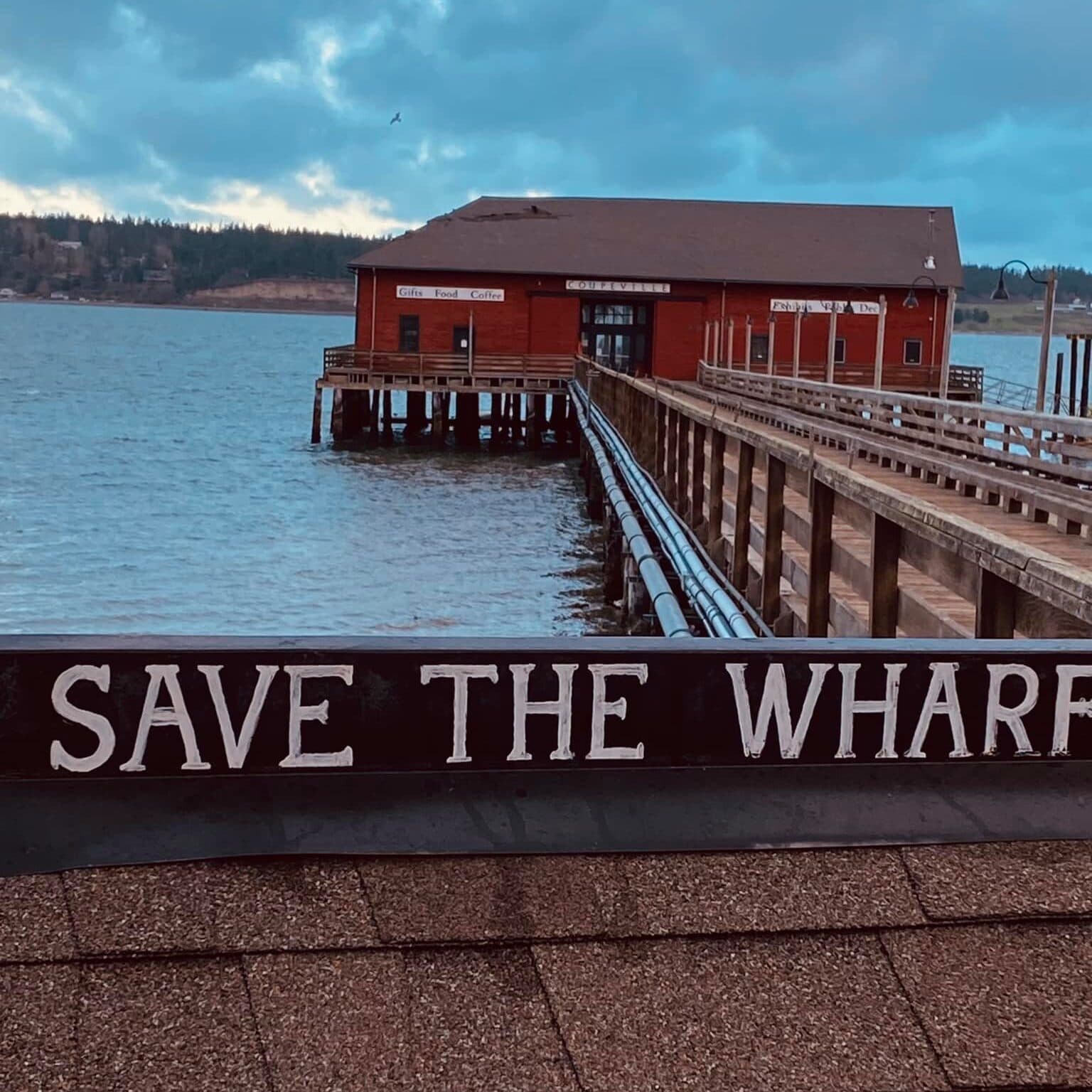
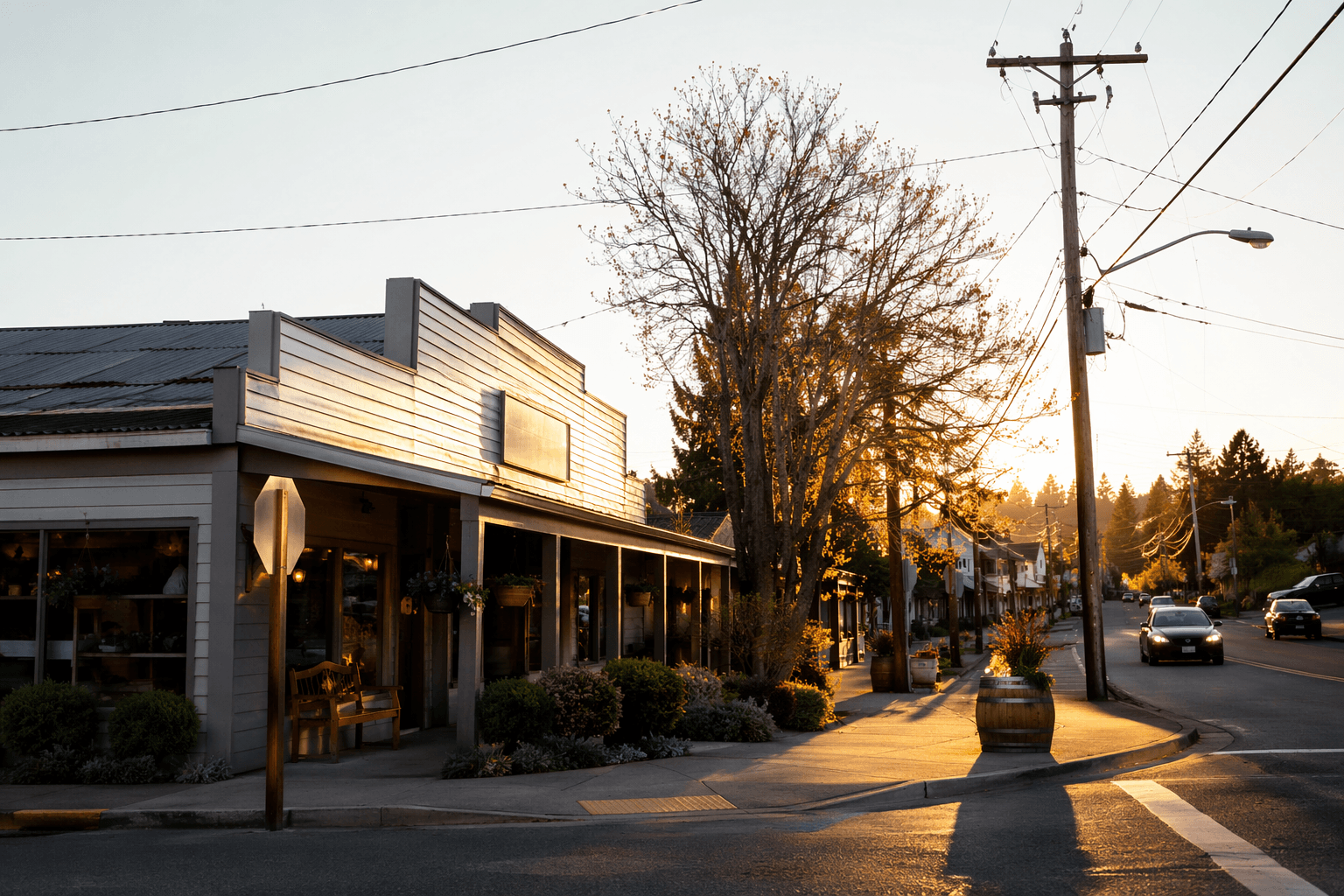
Whidbey Island Eyes Tourism Spillover as 2026 FIFA World Cup Nears
Tourism contractor Inge Morascini told Island County planners 750,000 World Cup visitors could generate $929M regionally - and Whidbey wants a piece of it.

A projected $929 million in regional economic activity was the number Inge Morascini brought to Island County officials last week, and it came with a pointed question: how much of it reaches Whidbey?
Morascini, a contractor with Whidbey and Camano Islands tourism, presented the figures to the Island County Council of Governments on March 25, outlining both the opportunity and the limits of what the 2026 FIFA World Cup could mean for local businesses. The tournament, scheduled June 11 through July 19, will bring matches to Seattle and Vancouver, with regional planners projecting roughly 750,000 visitors across the area.
The economic windfall won't distribute evenly. Most activity will concentrate in the host cities, Morascini acknowledged, but the pitch for Whidbey centers on spillover: international and domestic fans who might extend their trip with a day on the island or convert a day visit into an overnight stay. The strategy involves marketing pre- and post-match itineraries and promoting signature experiences including Deception Pass State Park, waterfront dining, craft beverage producers, and art walks that offer something distinctly different from Seattle's urban core.
The Mukilteo-Clinton ferry is the most obvious chokepoint in this plan. The route's capacity creates a natural ceiling on how many visitors the island can absorb, a constraint that cuts both ways: it limits the upside while also preventing the kind of sudden overcrowding that could strain parking near Deception Pass or push residents off roads during summer weekends.
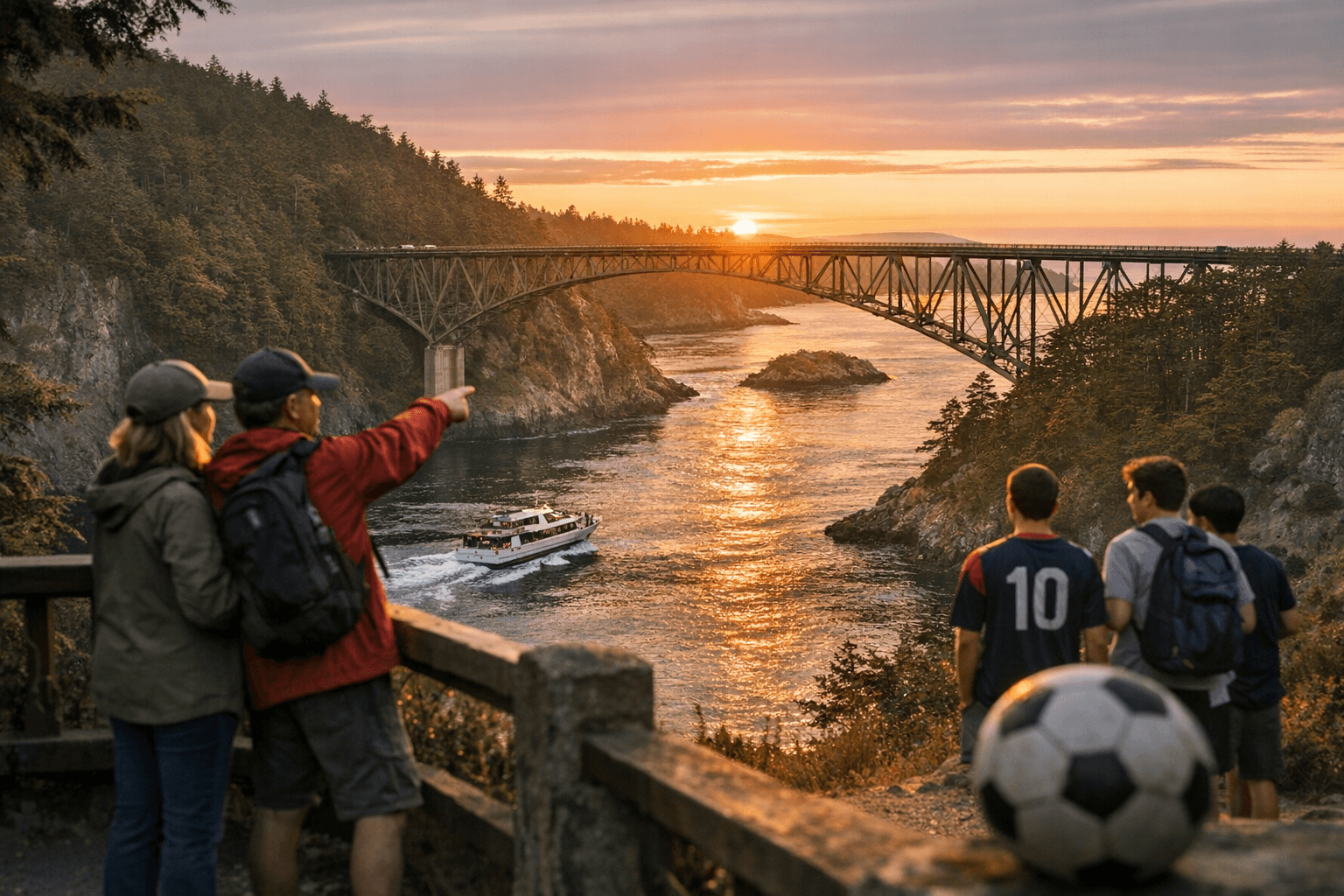
Seattle hotel inventory is expected to tighten during match weeks, which improves Whidbey's position for overnight stays. But planners are realistic. The more likely scenario is a modest increase in day-trippers rather than a wholesale relocation of fan traffic from the city.
Capturing even a fraction of those 750,000 visitors would matter for Whidbey's restaurants, small retailers, lodging providers, and tour operators. Morascini and other tourism advocates stressed that the groundwork has to be laid well before June, including coordination with chambers of commerce, visitor centers, ferry operators, and lodging partners on clear messaging around travel times, ferry reservations, and what to expect on arrival.
The Council of Governments presentation signals that Island County is not waiting passively. How well local planners convert that preparation into revenue, while protecting the island's character from the pressures of peak-season crowds, will be the real test when the tournament kicks off.
This article was produced by Prism’s automated news system from verified source data, official records, and press releases, then run through automated quality and moderation checks before publishing. The system is built and supervised by the people who set the standards it runs under. Read our full AI policy.
Did this article answer your question?