Whidbey Island Navy housing completes zero-cost LED lighting upgrade
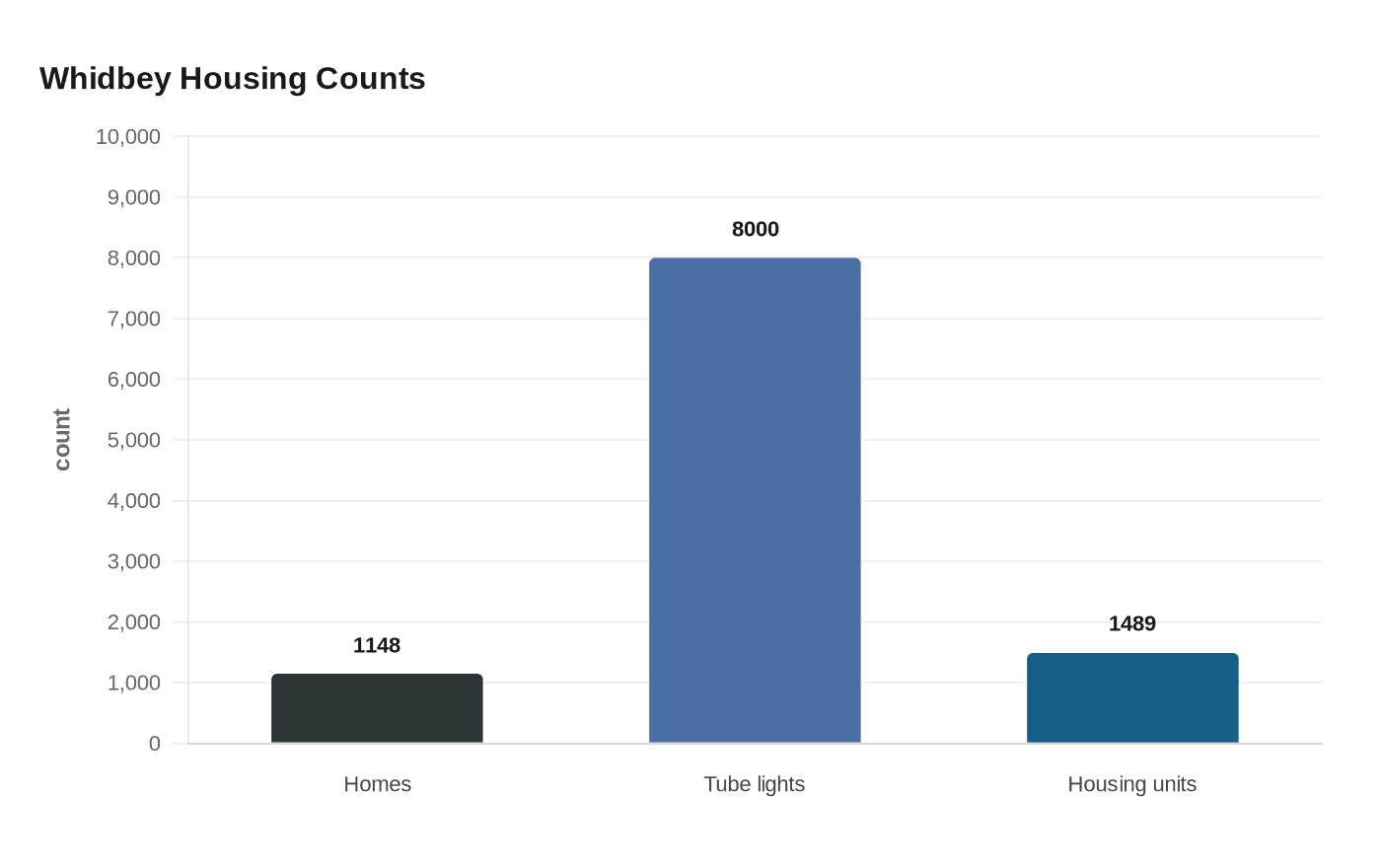
A zero-cost LED overhaul at Whidbey Island Family Housing swapped 8,000 fluorescent tubes in 1,148 homes, with annual savings estimated at $50,000 to $60,000.
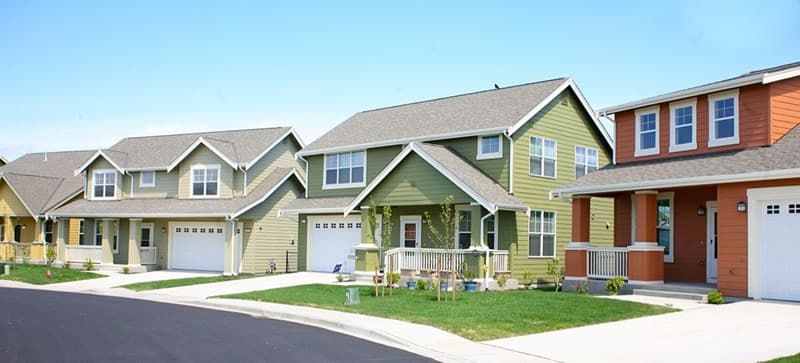
Brightening kitchens, laundry rooms and garages across all 1,148 homes at Whidbey Island Family Housing came at no cost to the property, a rare combination of upfront savings and lower operating expenses that managers say should pay off for years.
The project replaced older fluorescent fixtures with LED lighting throughout the Naval Air Station Whidbey Island community, covering about 8,000 tube lights from November 2025 through February 2026. More than $277,000 in labor and materials was fully covered through utility rebates and incentives, allowing the upgrade to finish on time without adding to housing costs.

Hunt Military Communities, which manages Whidbey Island Family Housing, estimates the switch will save about $50,000 to $60,000 a year in energy costs. Just as important for families, the change should cut down on bulb replacements and the work orders that come with them, reducing the kind of routine service calls that can disrupt a household’s week.
The housing operator says the new lighting should also improve safety in the places residents use most often after dark or in low-light conditions. Better illumination in garages, laundry rooms and kitchens can make everyday tasks easier and help families move through shared and utility spaces with less risk, a practical benefit in a community where many residents are juggling work, school and military schedules.
The upgrade fits into the Navy’s broader public-private housing system at NAS Whidbey Island, where housing support is meant to provide service members and their families with suitable, safe and affordable homes. MilitaryINSTALLATIONS lists 1,489 housing units available at the base, underscoring how large a role the installation housing network plays in Island County life.
For Oak Harbor and the wider Whidbey community, the project is more than an efficiency measure. It shows how utility rebates can turn a costly facility upgrade into a zero-cost improvement, while delivering lower energy bills, fewer maintenance calls and better-lit living spaces for families who depend on the base housing system every day.
Know something we missed? Have a correction or additional information?
Submit a Tip