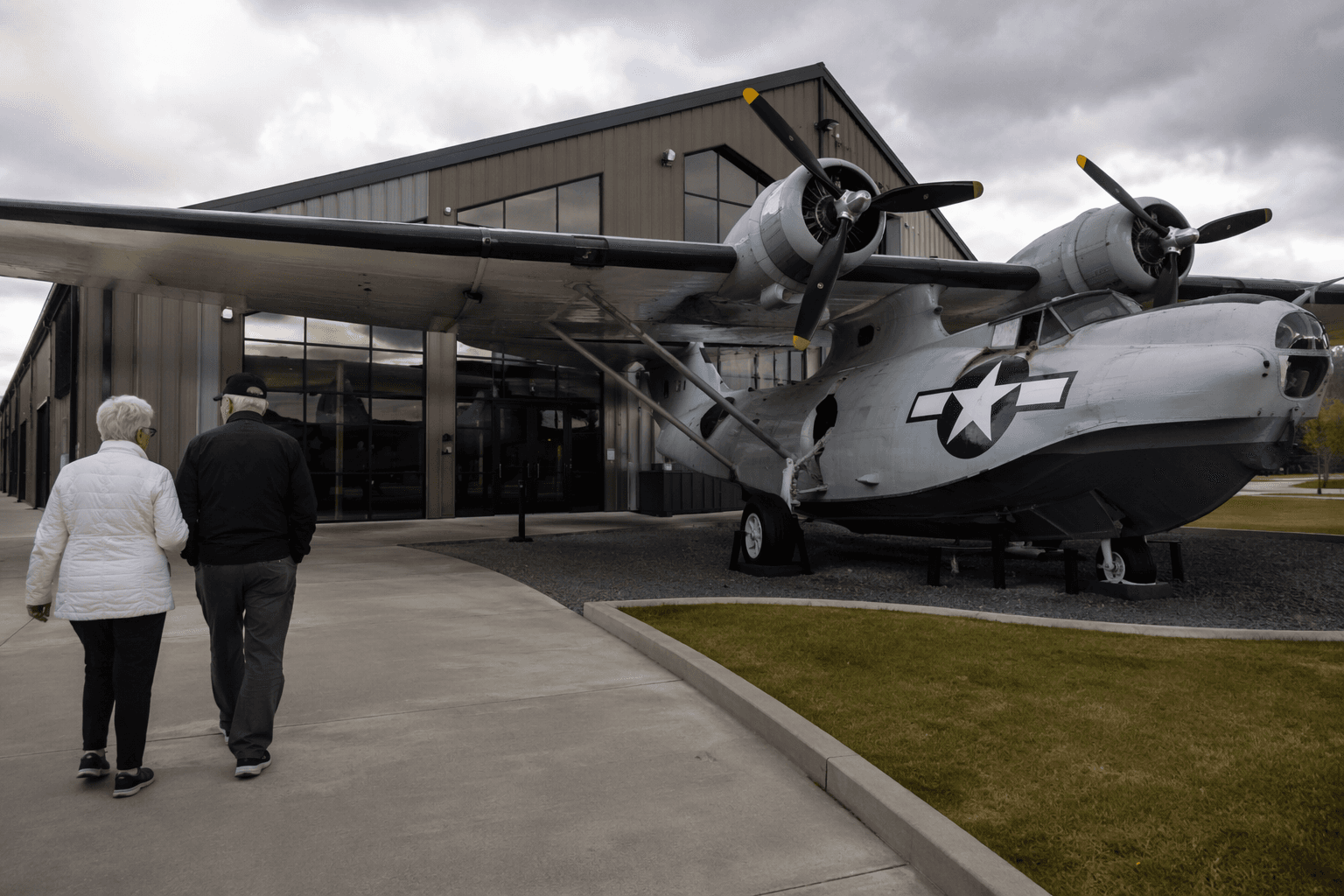
Whidbey Island summer camps offer sailing, science and outdoor fun
Oak Harbor to Langley, Whidbey’s summer camps give parents a clear way to match age, schedule and interests, from sailing lessons to farm crafts and high ropes.

Match the camp to the child first
Whidbey Island families have a summer map that runs from the marina to the farm, and the smartest starting point is the child in front of you: age, comfort level, and how much structure the week needs. Oak Harbor, Coupeville, Freeland and Langley each offer a different fit, whether the goal is time on the water, outdoor exploration, or a creative camp that still leaves room for movement and play.
Transportation and timing matter as much as the activity itself. North-end families may find Oak Harbor, Coupeville and the South Whidbey Yacht Club options easiest to balance with work schedules, while Freeland and Langley can make more sense for families already tied to the south end of the island. Several programs also offer clear age bands and weekly sessions, which helps parents build a summer plan without piecing together daily child care from scratch.
Oak Harbor puts kids on the water and into full-day play
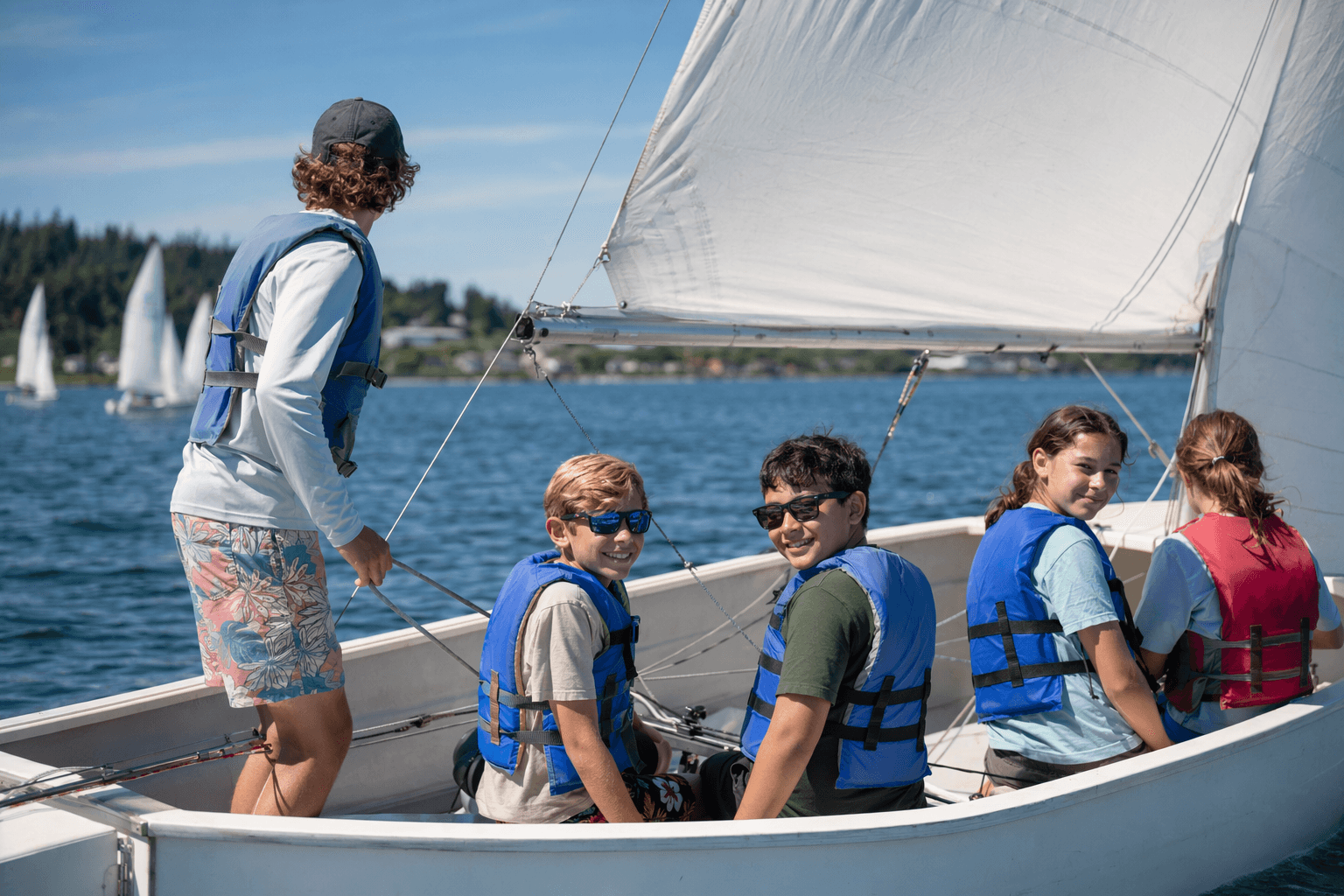
Oak Harbor Youth Sailing is one of the clearest fits for children who want a true introduction to life on the water. Its youth sailing programs are designed for every level, and the activity mix goes beyond sailing to include kayaking and paddleboarding. That makes it a strong choice for a child who wants outdoor time but may not yet be ready for a full sailing focus.
South Whidbey Yacht Club’s 2026 youth classes add another water-based option for island families willing to drive south for a more structured sailing track. Registration opened April 10, 2026, and the club lists youth sailing for ages 10 to 17. Beginning sailing runs July 13-17, July 20-24 and July 27-31 from 9 a.m. to 2:30 p.m. for $325 a week, while intermediate sailing is listed at $350 a week for the same dates and hours. For families comparing camps by both age and budget, those numbers make the choice concrete fast.
Camp Windjammer gives Oak Harbor parents a different kind of full-day option. The camp returns for its second year with themed weeks, a splash pad, sports, field trips and a mad-science style ice-cream-in-a-bag activity that is built to feel playful rather than academic. It also stands out for access: the camp includes sliding-scale scholarships and can provide an aide for a child who needs extra support, which makes it one of the most family-inclusive offerings on the island.
The city of Oak Harbor’s 2026 scholarship form lays out camp weeks from June 22-26 through August 24-28, giving parents a long stretch of coverage to work with. For households that need a full summer schedule, that is the kind of wide window that can anchor everything else.
North Whidbey adds swimming, art and kayaking
Camp Trail Blaze at the North Whidbey Pool, Parks and Recreation District is the practical middle ground for families who want a mix of activities without the single-sport focus of sailing. Kids can combine swim lessons, art and kayaking, which makes it appealing for children who like variety and for parents who want the confidence that comes from time in the pool.
That blend also helps families decide based on temperament. A child who wants action but not a competitive environment may do better here than in a camp built around one skill track. The camp’s location at the pool district also makes the transportation question simpler for Oak Harbor and nearby families who want a central North Whidbey option.
Freeland leans into land, craft and stewardship
Full Moon Rising Farm offers one of the island’s most grounded summer experiences, with a focus on art, nature, storytelling and wood carving. Its 2026 camps also include gardening, yoga, blacksmithing, games and stewardship themes, which gives parents a clear sign that the program is built around hands-on connection to the land rather than indoor enrichment.

The farm says it has hosted farm and wilderness camps for children since the late 1990s, and that long history matters for parents who prefer a program with a deep local rhythm. For families looking for a camp that feels slower, quieter and more rooted in place, Full Moon Rising Farm is a strong fit. It is the kind of program that can feel especially useful for children who need open air, tactile projects and a break from screen-heavy summer days.
HeartField adds another south-end choice with a different emphasis. Its camps center on storytelling, song, play and kindness, which makes them feel less like a skills clinic and more like a values-driven summer space. For families who want creativity and social-emotional development alongside fun, that distinction may be the deciding factor.
Coupeville and the Salish Sea bring bigger adventure
YMCA Camp Casey in Coupeville gives kids a more expedition-style summer. Campers can explore marine life in the Sealab and build confidence through archery and climbing-wall activities, all while spending time outdoors along the Salish Sea. That mix makes the camp particularly appealing for children who like discovery and physical challenge in the same week.
Camp Casey is also adding to its adventure profile. A February 2025 report said a new climbing wall, two 60-foot slides and a high ropes course were expected for summer 2026, raising the stakes for families comparing overnight or day camp experiences. For parents trying to stretch a child’s comfort zone without sending them too far from home, that combination of marine science and outdoor challenge is hard to miss.
Langley keeps the focus on confidence and performance
Magic Camps in Langley fills a different need entirely. South Whidbey Parks and Recreation says the camp uses the Discover Magic curriculum and serves ages 5 to 12, with an emphasis on confidence, stage presence and performance skills. It also teaches communication, self-discipline and confidence, which gives the camp a useful place in the summer mix for children who shine in front of a group or need a boost in public-speaking comfort.
That makes Langley a valuable option for families who want enrichment without losing the child-centered feel of summer. A young magician is still a kid at camp, but the skills taught here can carry over into school, classrooms and social settings long after August ends.
A summer plan that fits the island
Taken together, these camps show how broad Whidbey’s summer options have become. Families can stay close to home with Oak Harbor programs, head to Freeland for farm and wilderness time, send an adventurous child to Camp Casey, or choose Langley for performance-based learning. The island’s strength is not one perfect camp; it is the ability to match a child’s age, interests and schedule to a program that actually feels right.
For parents building a summer calendar now, the decision comes down to a few clear questions: Is transportation easiest north or south? Does the child want water, woods, stage time or a little of everything? And does the family need a weekly program, a long camp season or a flexible scholarship-supported option? On Whidbey, the answer is already on the map.
This article was produced by Prism’s automated news system from verified source data, official records, and press releases, then run through automated quality and moderation checks before publishing. The system is built and supervised by the people who set the standards it runs under. Read our full AI policy.
Did this article answer your question?