Edelen Farms carries South Texas family farming legacy forward
In Jim Wells County, Edelen Farms is more than a family name: it is a test of whether a young family can keep farming, selling local food, and holding onto the land.
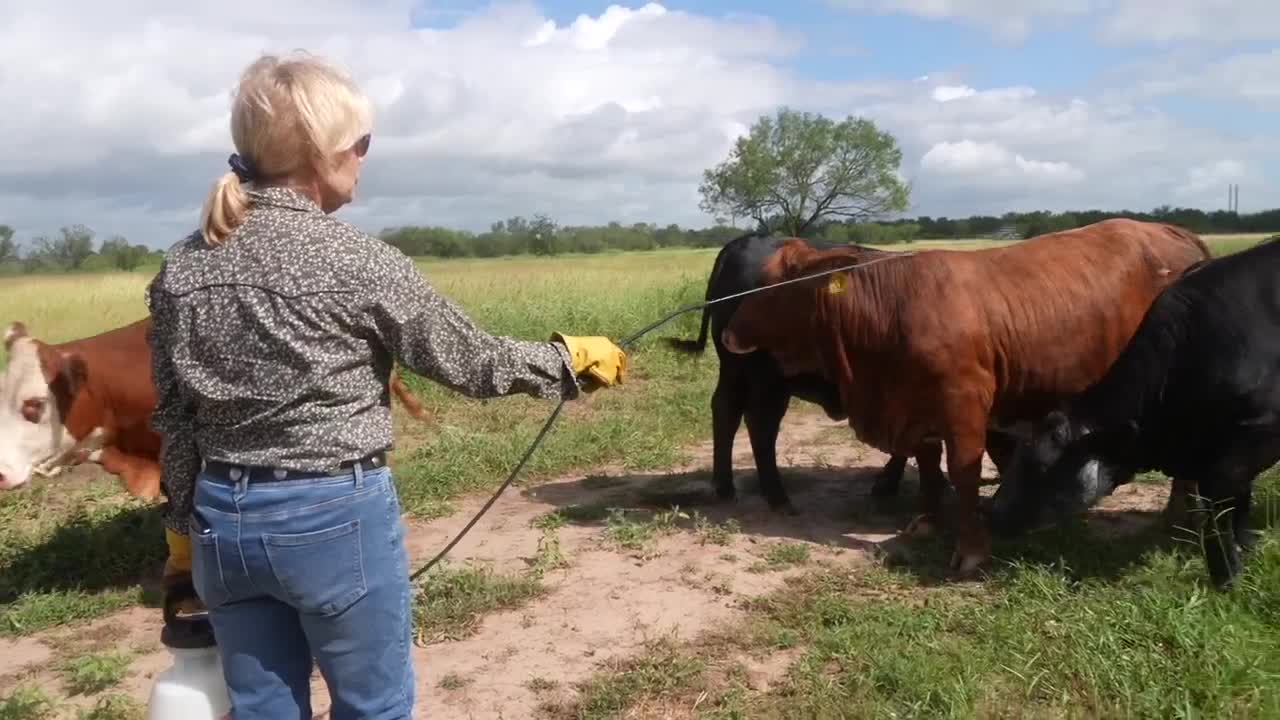
Andrew Edelen is trying to do something that has become harder across South Texas: keep a family farm alive long enough for the next generation to inherit more than memories. At Edelen Farms in Jim Wells County, that means working the land with his wife, Kaylyn, and their young son, Alister, while balancing labor, drought pressure, rising costs, and the daily demands of feeding Coastal Bend families and businesses.
A farm built on succession, not sentiment
Edelen Farms sits on property where Andrew’s parents started the business before he was born, and that continuity still shapes how the operation works. Andrew says he was raised there after his family moved to the property when he was about six months old, so the farm has never been just a workplace. It has been home, classroom, and proof that agriculture in Jim Wells County is as much about endurance as it is about production.
That family line runs through Greg and Lauren Edelen, who began row-crop farming and selling at farmers markets in the 1990s. Their son has carried the business forward with the same sense of service, but in a tougher operating environment where every decision, from feed to freight to labor, matters to the survival of the farm.
Why Jim Wells County depends on operations like this
Jim Wells County is one of South Texas’ agricultural counties, and the numbers show why farms like Edelen Farms matter far beyond one household. Texas A&M AgriLife Extension says agriculture brings in more than $70 million in gross income in the county, with row crops such as cotton, corn, and grain sorghum grown on about 85,000 acres and beef cattle and wildlife on about 400,000 acres of pastures and native rangelands.
The USDA’s 2022 Census of Agriculture county profile counted 1,442 farms in Jim Wells County and 28,174 head of cattle and calves. Those figures underline a simple reality: local agriculture is still a major part of the county economy, but it is also spread across a wide landscape where margins can be thin and weather can turn quickly. In that setting, a direct-to-consumer farm is not just a niche business. It is part of the county’s food system and its economic resilience.
What changed after military service and a family loss
Andrew’s path back to the farm was not automatic. After graduating from Alice High School, he left South Texas just two weeks later to join the Marine Corps, where he served five years. Earlier coverage identified him as an aviation equipment mechanic and described a 5.5-year stint in the Corps, but the larger point is the same: he returned home with discipline, a broader view of work, and a renewed mission to build on what his parents created.
That mission now carries an additional emotional weight. Gregory Michael Edelen died on March 15, 2026, at 78, after battling Parkinson’s disease. He had been married to Lauren for 55 years. His death leaves the family to carry forward not just the business, but the work ethic and values that shaped it. In a farm operation, that kind of loss is not only personal. It can affect the pace of work, the transfer of knowledge, and the confidence needed to keep investing in the future.
How the farm adapted when drought tightened the vise
The story of Edelen Farms is also a drought story, because South Texas farmers have had to adjust to repeated dry spells and official disaster designations in recent years. Jim Wells County was included in March 2024 federal drought disaster designations for South Texas counties, a reminder that water risk is not abstract here. Historic drought has forced farms to rethink how they operate, and that pressure has filtered into everything from planting decisions to sales strategy.
That is where Edelen Farms’ current model becomes important. The farm has leaned into subscription boxes and monthly delivery service, along with partnerships with other local producers. Those choices do more than diversify revenue. They spread risk, shorten the distance between farm and customer, and give the business a way to keep moving even when field conditions or commodity prices are unfavorable.
The business case for local food
Edelen Farms’ own materials describe it as a family-owned, second-generation farm focused on grass-fed beef, pastured poultry, free-range eggs, vegetables, and holistic and regenerative practices. The farm says it has been bringing farm-fresh food to South Texas families for more than 20 years, which helps explain why its customer base has grown around trust as much as around convenience.
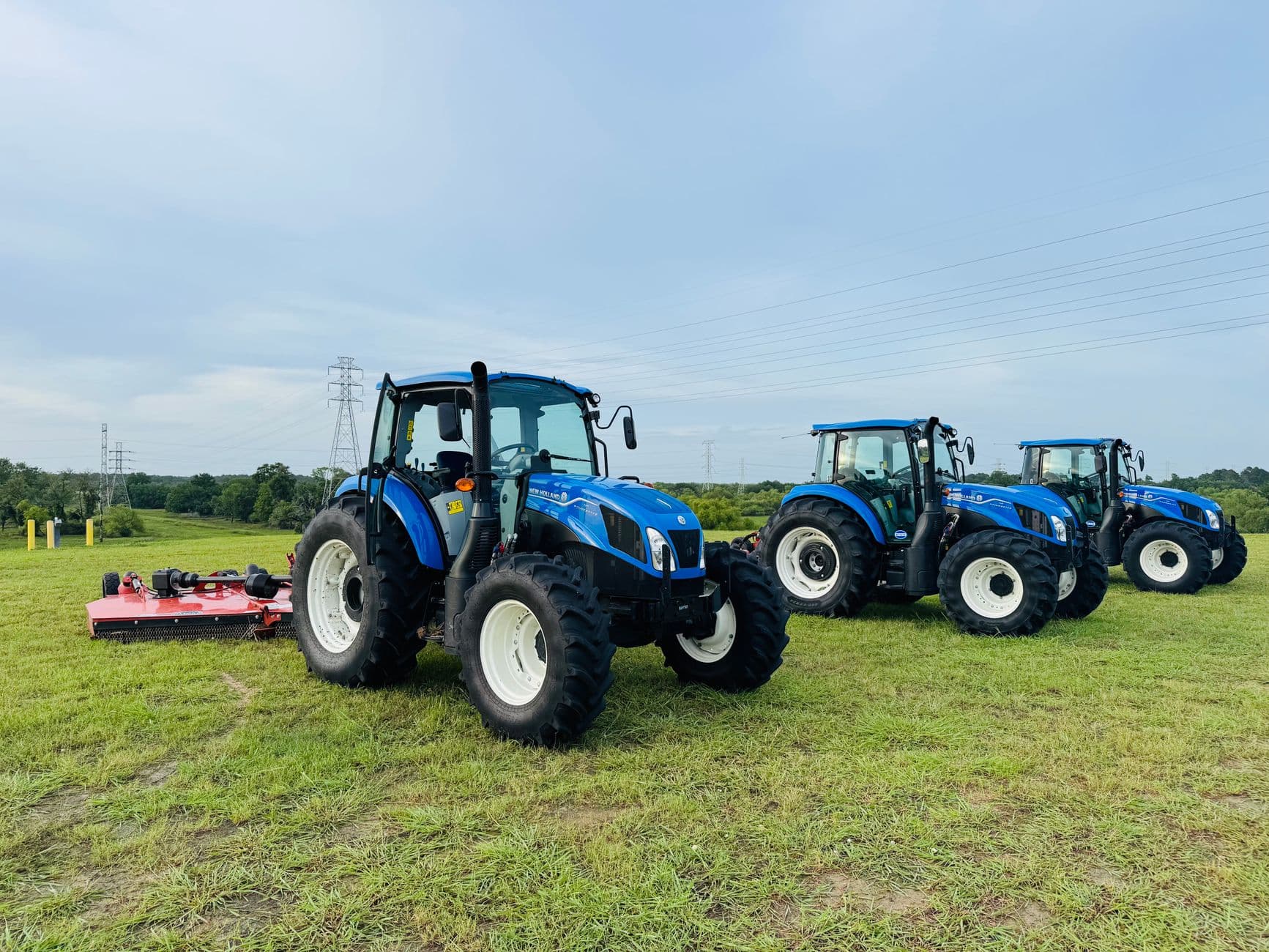
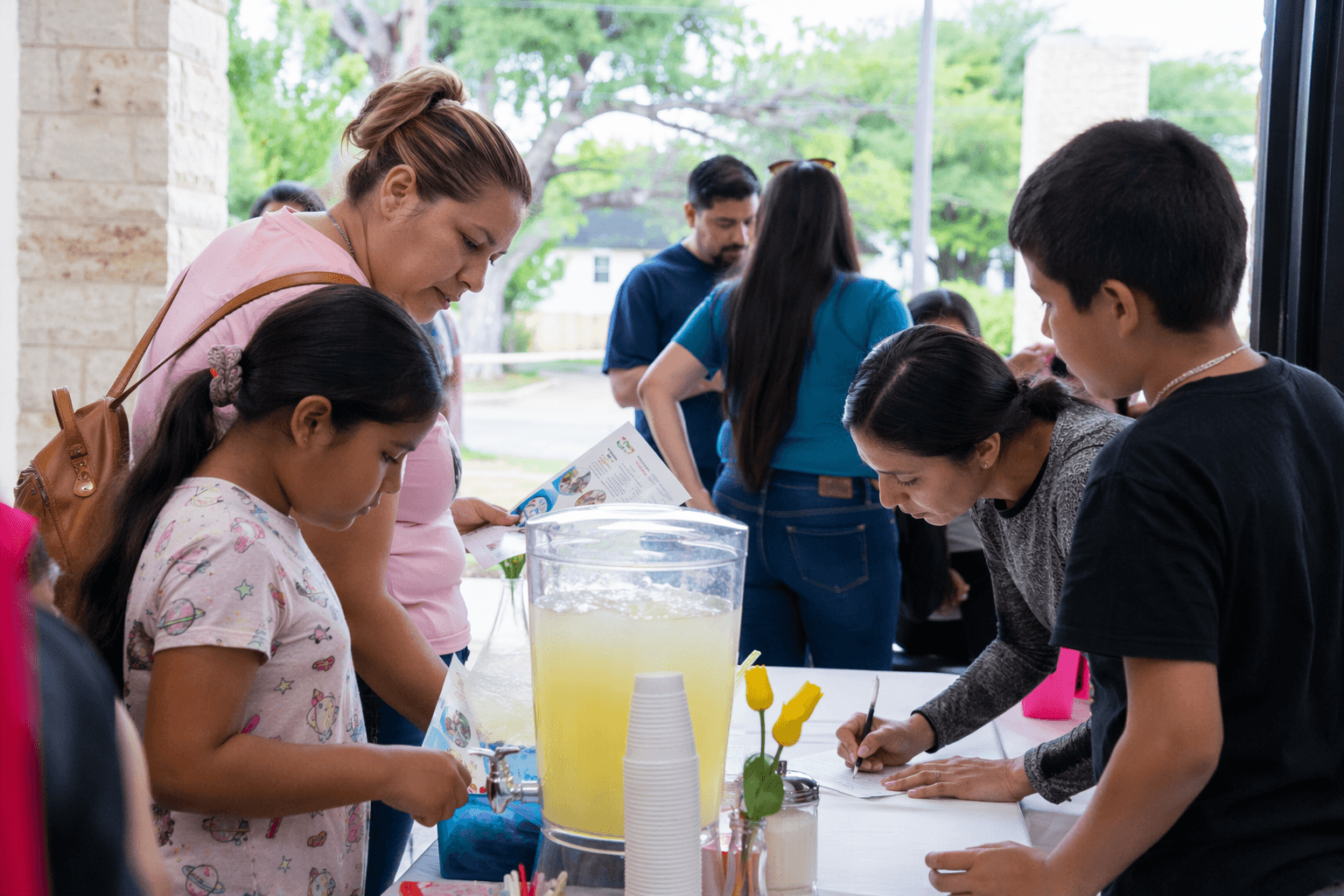
Andrew and Kaylyn say buying local gives customers transparency and a direct connection to how food is grown, and that matters in a county where the agricultural base is broad but the farm-to-table link is often invisible. For a family trying to survive the long cycle of weather, market swings, and generational transfer, that direct relationship with buyers can be the difference between a farm that merely exists and one that can reinvest in its future.
The business has also shown a willingness to price products in line with real costs. A 2024 report said Edelen Farms in Alice was selling frozen-weight turkeys for $6.50 per pound ahead of Thanksgiving. In a year when feed, fuel, and processing costs can squeeze margins, that kind of retail pricing is a practical signal of how small farms adapt to stay solvent.
What a younger generation has to carry
The real question hanging over Edelen Farms is the one facing many family operations in South Texas: can the next generation realistically stay in farming? Andrew, Kaylyn, and Alister represent a possible answer, but only if the business can keep balancing stewardship with cash flow. On a county landscape that still includes thousands of acres of row crops, pastures, and cattle, the challenge is not a lack of agricultural identity. It is whether enough farms can survive the modern cost structure long enough for children to choose the same life.
A 2020 profile said Edelen Farms was about 350 acres at the time, a scale that helps explain both its flexibility and its vulnerability. Smaller family farms can move quickly and sell directly, but they also have less room to absorb drought losses or extended downturns. That is why Edelen Farms stands as a succession story in the clearest sense: not just passing down land, but proving that a family can still make a living from it.
In Jim Wells County, where agriculture remains central to the economy, Edelen Farms shows what survival looks like now. It is work at the kitchen table and in the field, in the marketplace and in the memory of the parents who started it, with the next generation already in the middle of the operation.
This article was produced by Prism’s automated news system from verified source data, official records, and press releases, then run through automated quality and moderation checks before publishing. The system is built and supervised by the people who set the standards it runs under. Read our full AI policy.
Know something we missed? Have a correction or additional information?
Submit a Tip