Free health screenings bring preventive care to Agua Dulce residents
Free screenings in Agua Dulce gave residents a low-barrier way to check for blood pressure and blood sugar problems before they became emergencies.
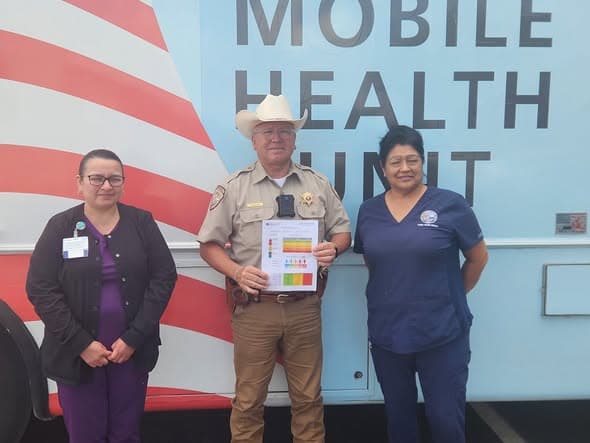
Free health screenings in Agua Dulce gave residents a chance to catch silent problems early, without a long drive or a medical bill. In Jim Wells County, where 19.1% of residents under 65 were uninsured and the population stood at 38,804 on July 1, 2025, that kind of preventive care can make the difference between a quick checkup and a costly crisis.
The effort mattered because Agua Dulce is small even by South Texas standards. The 2020 Census counted 685 residents there in Nueces County, which means a single local screening event can reach people who might otherwise put off routine care because of distance, cost or a lack of nearby primary-care options. Jim Wells County as a whole remains heavily Hispanic or Latino, with 79.8% of residents identifying that way, underscoring the importance of accessible, local health outreach in a region where language, transportation and insurance can all shape whether someone gets checked at all.
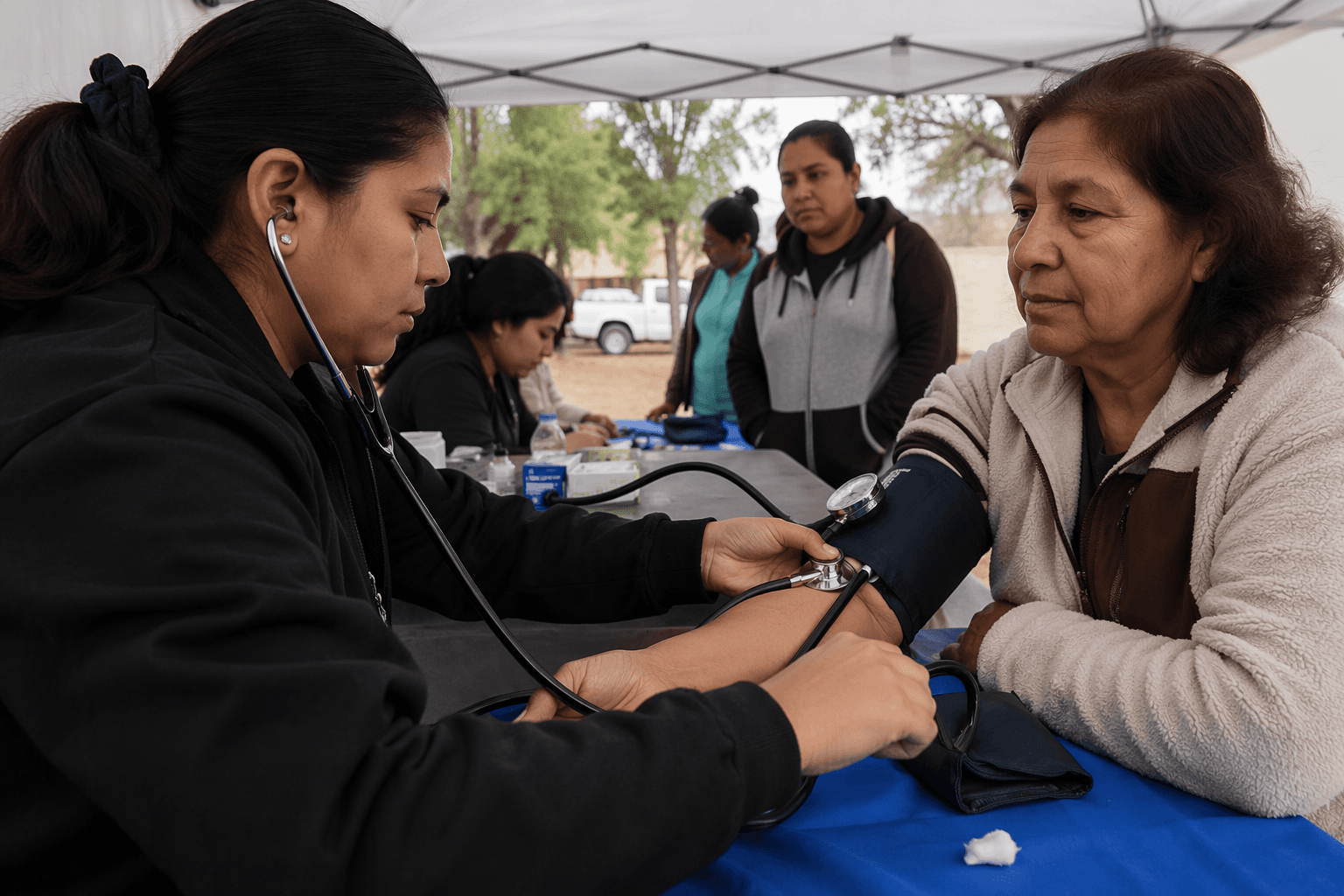
The screenings were built around the kind of basic tests that can uncover trouble long before symptoms appear. Blood pressure and blood sugar checks are especially valuable because high blood pressure can go unnoticed for years, and diabetes risk often develops quietly until it becomes harder and more expensive to manage. That is why preventive events like this one are more than a one-day convenience: they give residents a first look at warning signs that might otherwise stay hidden.
For people who learn they need more than a screening, the next step is finding a place to keep the care going. Texas Health and Human Services says its Rural Access to Primary and Preventive Services program is designed to incentivize primary and preventive care for Medicaid members in rural areas, with a focus on managing chronic conditions. The federal Health Resources and Services Administration says about 1,400 health centers operate more than 16,200 service sites nationwide, giving rural families another route to follow up after a check raises concerns.

That larger system is what makes a free event in Agua Dulce meaningful. A simple screening can identify a problem early, point a resident toward follow-up care and help prevent a future emergency that costs far more than a brief stop for preventive checks.
This article was produced by Prism’s automated news system from verified source data, official records, and press releases, then run through automated quality and moderation checks before publishing. The system is built and supervised by the people who set the standards it runs under. Read our full AI policy.
Did this article answer your question?