Texas orders repairs after years of arsenic violations in Concepcion water system
Texas ordered repairs in Concepcion after arsenic exceeded the federal limit every quarter for 5.5 years. The contamination stretches back to late 2020 or early 2021.
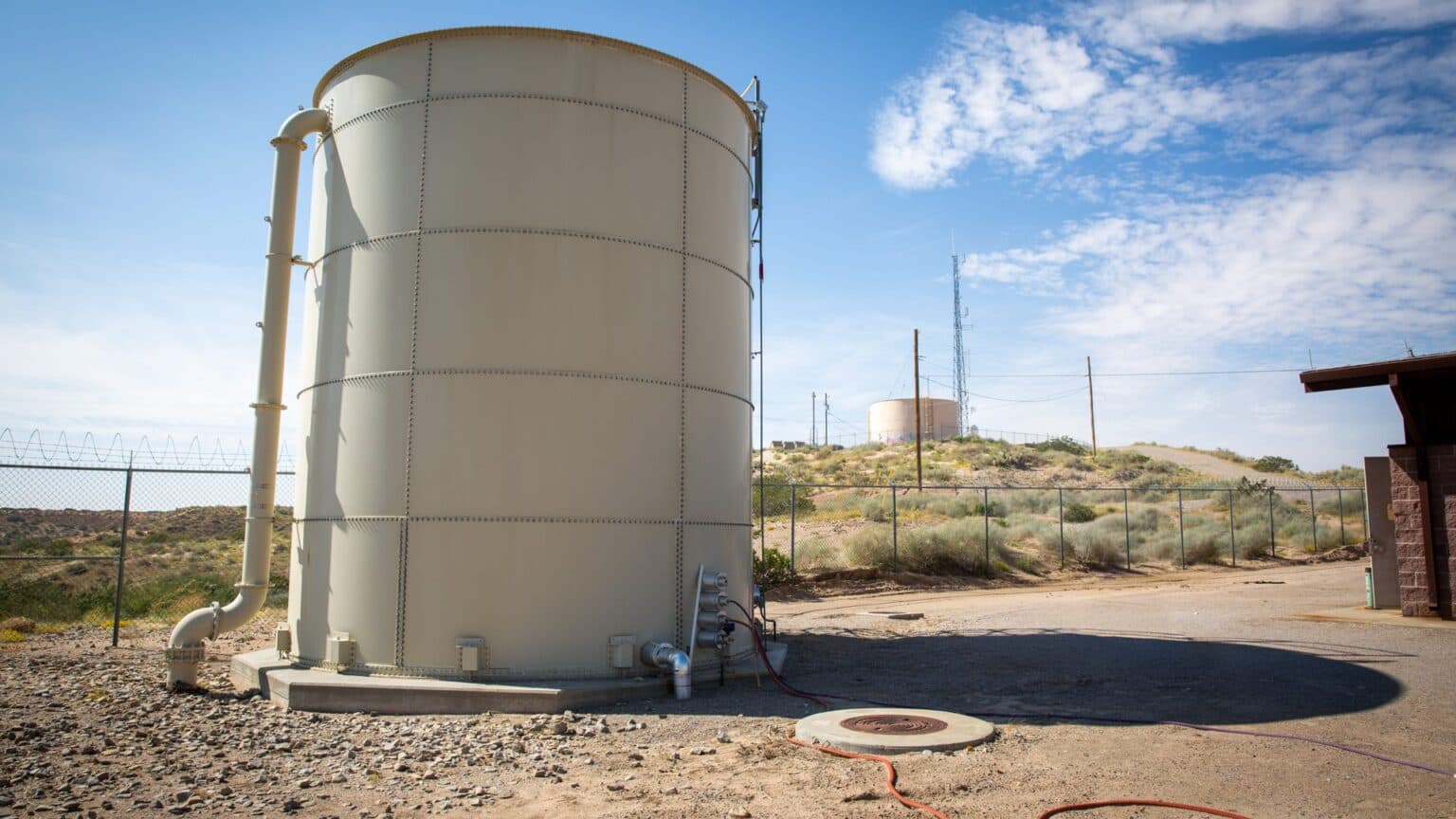
Texas regulators ordered repairs to the Concepcion water system near San Diego in Jim Wells County after arsenic levels stayed above the federal drinking-water limit every quarter for the last five and a half years. The Texas Commission on Environmental Quality said the violation has persisted since roughly late 2020 or early 2021, putting a long-running compliance problem back in front of residents who rely on the system every day.
The federal standard for arsenic in drinking water is 10 parts per billion, or 0.01 milligrams per liter. The U.S. Environmental Protection Agency adopted that limit in 2001 and required water systems to meet it by Jan. 23, 2006. EPA says long-term exposure to arsenic in drinking water is linked to cancer and other health problems, which makes chronic violations a public-health issue, not just a paperwork failure.

The Concepcion system’s repeated exceedances add local weight to a wider pattern across Texas. A 2025 University of Texas at Austin Bureau of Economic Geology assessment found 88 community water systems statewide were non-compliant for arsenic during 2021 through 2023, affecting about 296,000 people. The study found the most affected populations were concentrated in the southern Gulf Coast region, especially in the Gulf Coast aquifer area, where 46 systems served 99,979 people.
That broader context puts Concepcion in a region where arsenic contamination has remained stubborn in public water systems even after the federal rule took effect more than two decades ago. For families in and around Concepcion, the TCEQ order means the system must now move from monitoring violations to repairs, while residents await clearer word on how quickly the water can be brought back into compliance and what protections apply while the work is underway.
The issue carries practical stakes for households, schools, ranches and pet owners tied to the same system. Until the fix is complete, the central question in Jim Wells County is whether the water coming out of the tap can be trusted to meet the arsenic standard set to protect against long-term health risks.
This article was produced by Prism’s automated news system from verified source data, official records, and press releases, then run through automated quality and moderation checks before publishing. The system is built and supervised by the people who set the standards it runs under. Read our full AI policy.
Did this article answer your question?