Jim Wells County begins mosquito spraying after heavy rain
Spraying started after heavy rain left standing water in Alice, Orange Grove, Premont and San Diego, where mosquito activity was expected to rise fast.
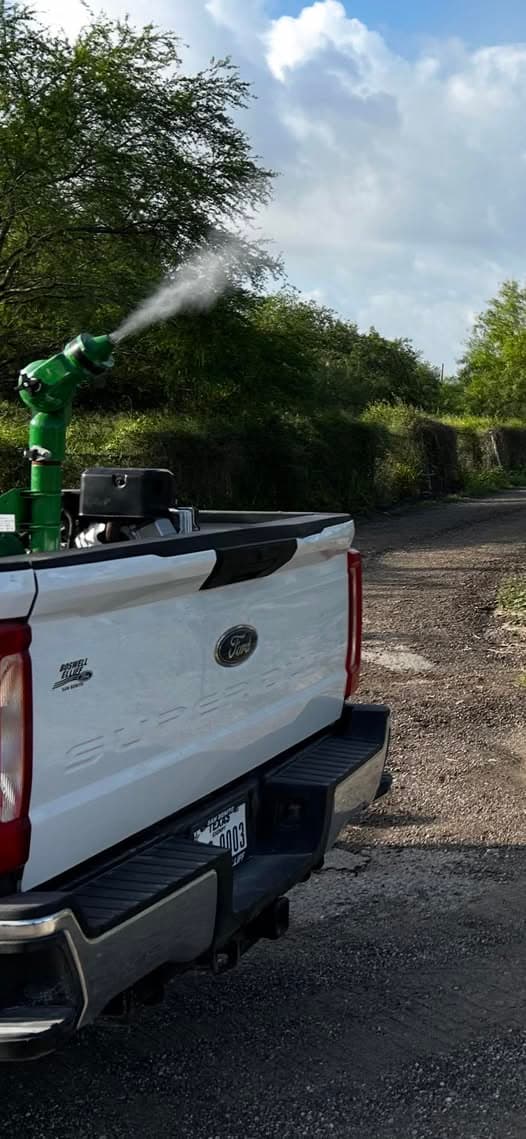
Jim Wells County began mosquito spraying after recent heavy rain left standing water across the county, with Alice, Orange Grove, Premont and San Diego among the places most likely to feel the impact first. The county response moved from storm cleanup to mosquito control as low spots, roadside ditches, drainage areas and yards became prime breeding ground for the pests that follow saturated weather.
The timing matters because mosquito pressure usually builds after the rain ends. The Texas Department of State Health Services says heavy rain and flooding can lead to a significant increase in nuisance floodwater mosquito populations, and those populations may become more favorable for development about two to four weeks after standing water turns stagnant and nutrient-rich. The Centers for Disease Control and Prevention says nuisance mosquitoes commonly increase in the weeks after flooding and local mosquito control programs may step in to reduce them.

For residents, the immediate step is simple but important: dump standing water, use repellent, keep screens in good repair and wear protective clothing outdoors. That advice is especially relevant for families trying to use their yards again, outdoor workers spending long hours in wet conditions and anyone trying to avoid the bites that can quickly turn porch time, school events and evening chores into a nuisance.
The county’s move follows a stretch of weather that already left a mark in Jim Wells County. Alice saw flooded streets, standing water and storm debris on May 21 after overnight rainfall, a reminder that the rain did not end when the clouds moved out. It left behind the kind of stagnant water that mosquitoes use to multiply, especially in South Texas heat.

Jim Wells County has dealt with mosquito threats before. In July 2024, a mosquito in the county tested positive for West Nile virus, and county and city officials partnered on spraying around the area in response. That history gives this week’s spraying added weight: mosquito control in Jim Wells County is not a minor housekeeping step, but part of the county’s public-health response when storms leave behind the conditions mosquitoes need to spread.
This article was produced by Prism’s automated news system from verified source data, official records, and press releases, then run through automated quality and moderation checks before publishing. The system is built and supervised by the people who set the standards it runs under. Read our full AI policy.
Did this article answer your question?