Jim Wells County ranchers learn to fight screwworm threat
Jim Wells County ranchers met to guard against screwworms as the parasite’s return put livestock and local ag dollars at risk. Susan Kibbe said she first saw them in the early 1970s.
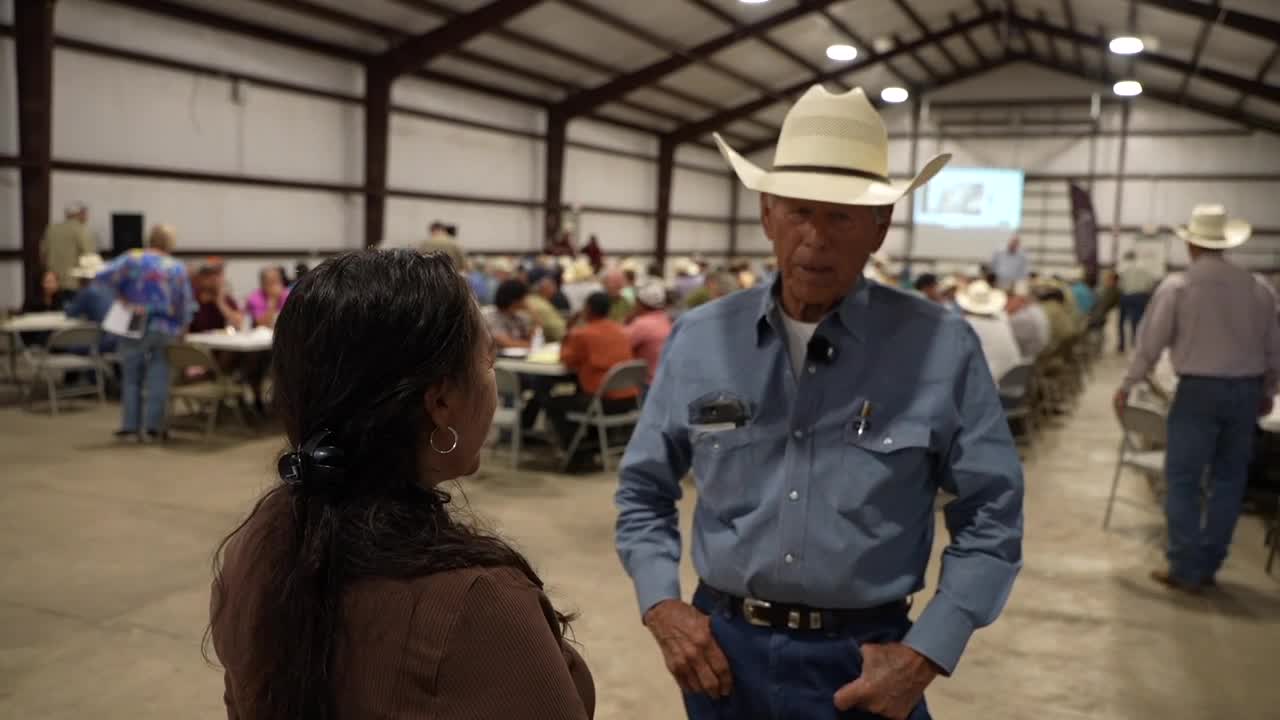
A flesh-eating parasite can turn a small wound into a costly livestock loss, and that is why Jim Wells County ranch families gathered to hear how to stop the New World screwworm threat before it spreads. For a county where ranching is part of the economy and identity, the warning carried immediate weight: check animals early, treat wounds fast and keep a close eye on anything that looks wrong.
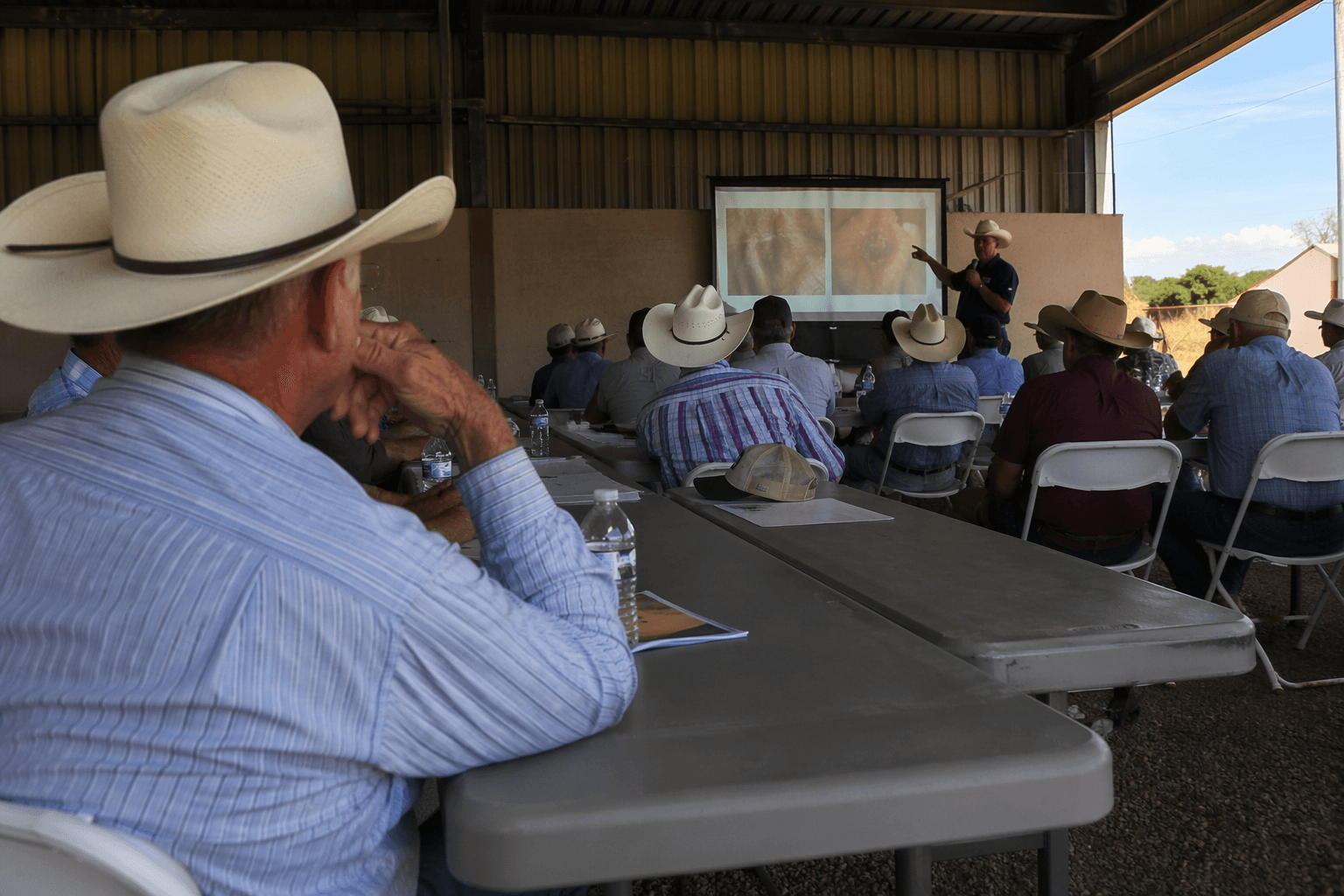
Texas A&M AgriLife Extension held a workshop at the Jim Wells County Fairgrounds on June 17 to give ranchers and livestock owners practical steps for prevention. Lunch was served at noon, the educational portion began at 1 p.m., and attendees were asked to RSVP by calling 361-668-5705. The meeting was designed to get information directly to the people most likely to confront the parasite in the field, in the pens and around their homes.
The concern is not abstract for longtime ranchers such as Susan Kibbe, a Jim Wells County rancher who said she first encountered screwworms in the early 1970s. That memory gave the warning a harder edge, showing why the current push for vigilance has landed with producers who remember how quickly the pest can become a serious problem when wounds are left untreated.
Extension workers emphasized basic but urgent habits: inspect livestock and pets carefully, look closely at wounds, and act immediately if something seems off. The parasite’s danger lies in its speed, and the message to ranchers was to stay alert through trusted local agricultural networks instead of waiting for a small injury to become a larger outbreak. Early detection and prompt action were presented as the best defense.
For Jim Wells County, the threat reaches beyond animal health. A screwworm outbreak would hit ranch families first, but it would also threaten livestock losses and the county’s agricultural dollars. The workshop showed how local extension services are serving as the bridge between scientists, veterinarians and producers, turning warning into a practical response before the parasite can gain a foothold.
This article was produced by Prism’s automated news system from verified source data, official records, and press releases, then run through automated quality and moderation checks before publishing. The system is built and supervised by the people who set the standards it runs under. Read our full AI policy.
Did this article answer your question?