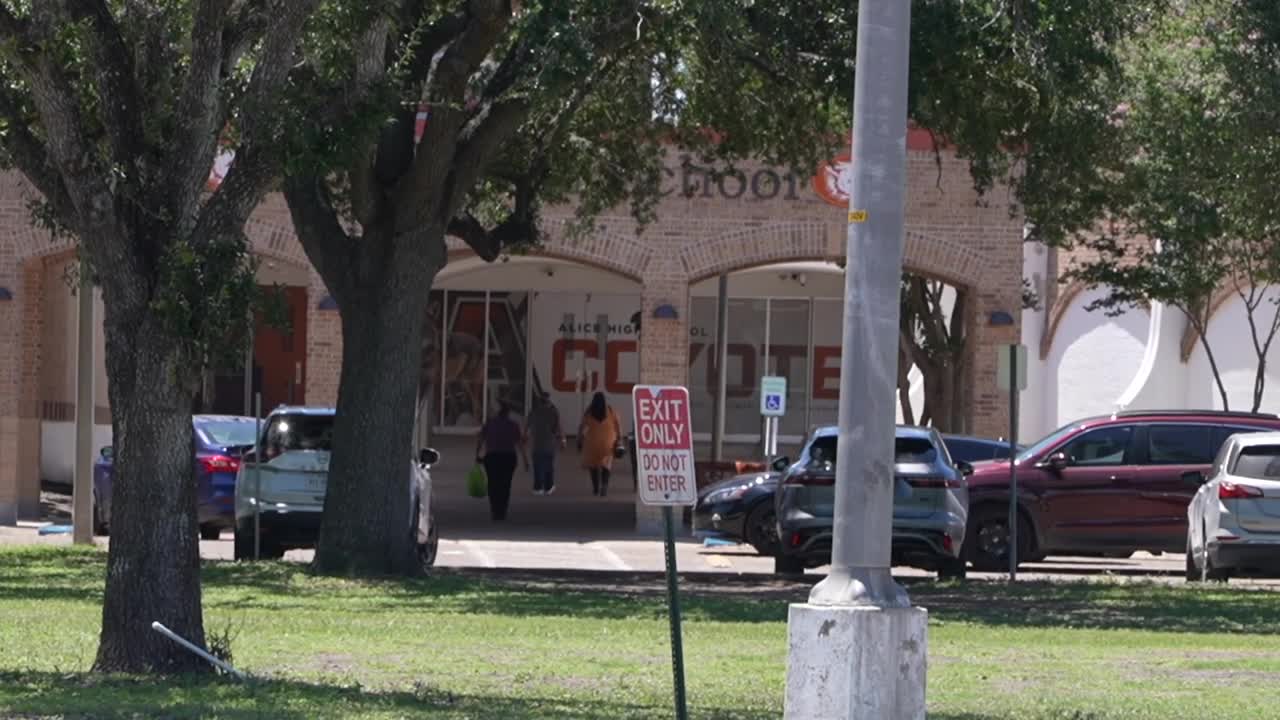
Jim Wells County schools urged to meet bus seat belt deadline early
Jim Wells County districts now face a May 29 seat-belt deadline that could force costly bus retrofits, with Alice, Orange Grove, Premont and San Diego all under pressure.
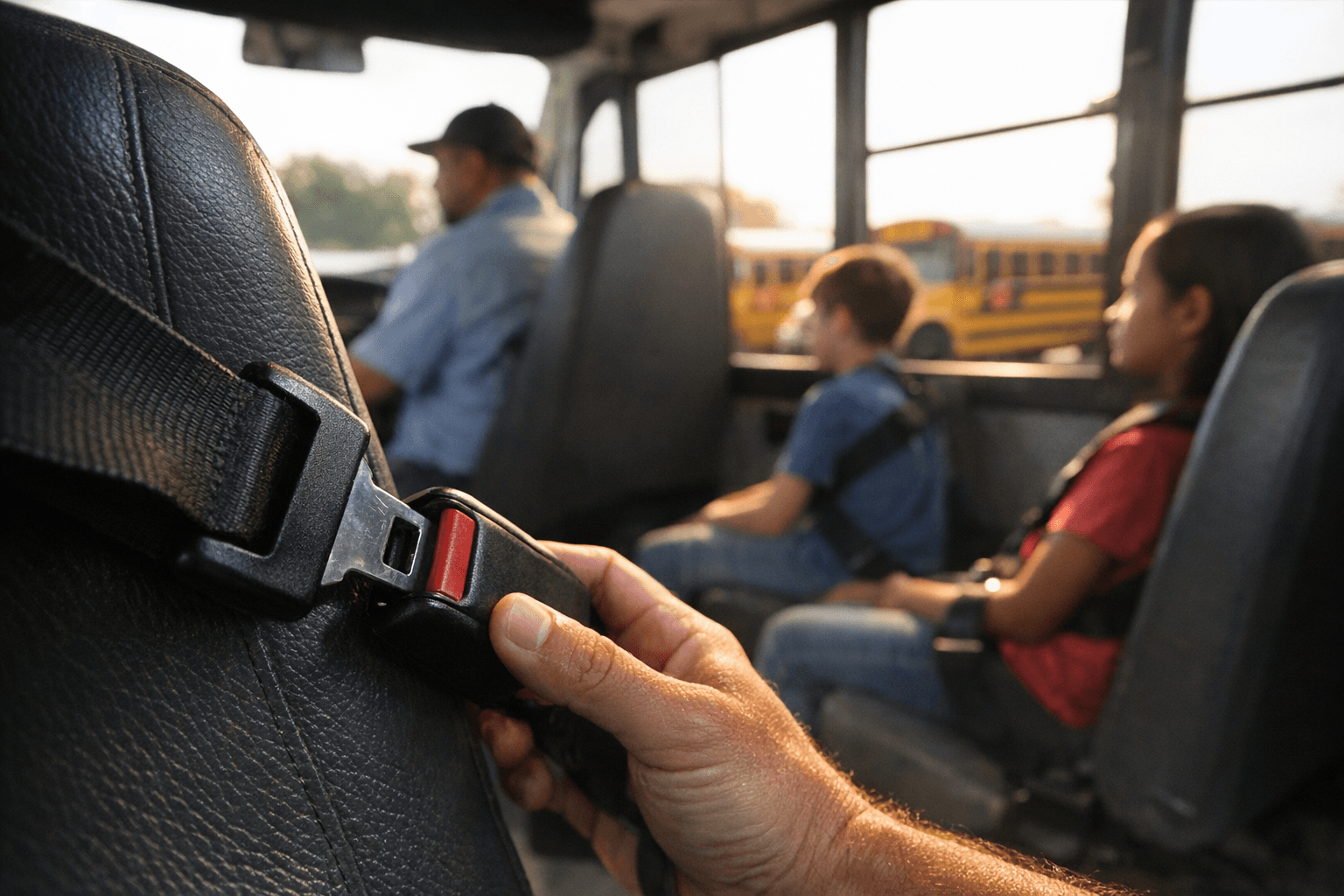
Jim Wells County school districts now face a hard May 29 deadline to decide which buses still need three-point seat belts, what compliance will cost and whether the work can be finished before students return. In Alice, Orange Grove, Premont and San Diego, the issue reaches beyond transportation and into fleet purchasing, maintenance, driver training, loading procedures, parent expectations and district budgets.
Texas Senate Bill 546, which took effect Sept. 1, 2025, requires school buses operated by or contracted for use by a district to have three-point seat belts for every passenger, including the driver. The law also removed previous exceptions for older buses. That matters in rural and semi-rural districts across the Coastal Bend, where buses often travel longer routes and older vehicles can remain in service for years.
The Texas Education Agency’s reporting guidance makes the financial stakes explicit. Districts that invoke the budget-limitation exception must report the estimated cost to equip each bus and provide details on current bus seat-belt status. TEA will collect that information and send a statewide summary to state leadership by Jan. 1, 2027. TEA has also created a guidebook for seat-belt cost reporting and plans office hours during the reporting period.
For Jim Wells County districts, the practical question is whether the work belongs in the current budget cycle or becomes an emergency purchase later. Bills, grants and donations from public or private sources may help districts cover implementation costs, but lawmakers did not create a dedicated funding stream for the mandate. That leaves local boards to weigh retrofitting against replacing buses, while also accounting for procurement delays and supply-chain problems that can slow a last-minute scramble.
The issue is not new in Texas. A 2017 law already required three-point seat belts on newly purchased school buses, and the National Transportation Safety Board has long described compartmentalization as the main passive protection system on school buses. But the newer law pushes districts toward a more active compliance standard, one that demands training for drivers and students as well as changes in district policy.
Recent district estimates show why the deadline has attracted attention across Texas. Some systems have put compliance in the hundreds of thousands or even millions of dollars, and boards in places such as Plano, Humble, Tomball, Friendswood, College Station and Edinburg have debated whether to retrofit fleets, replace buses or conclude that compliance is not financially feasible. In Jim Wells County, the same calculation is now coming due, and the boards that move early will have the clearest path to meeting the mandate.
This article was produced by Prism’s automated news system from verified source data, official records, and press releases, then run through automated quality and moderation checks before publishing. The system is built and supervised by the people who set the standards it runs under. Read our full AI policy.
Did this article answer your question?