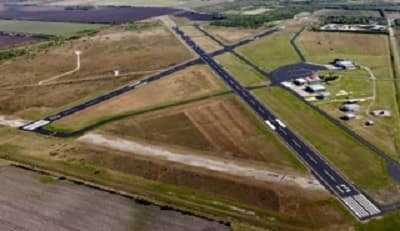
Tecolote Ranch ties Jim Wells County to South Texas cattle history
Tecolote Ranch began before Jim Wells County existed, and Robert Adams’s land, livestock and family ties still explain how Alice and the county’s ranch country took shape.
Tecolote Ranch puts Jim Wells County’s ranching past in plain view. Robert Adams’s 320-acre preemption on Tecolote Creek began in 1869, long before the county was organized, and the ranch grew into a working base that helped define where people lived, worked and learned in the Alice area.
The Adams family arrived before the county line did
Robert Adams was born in Norfolk, England, in 1847 and came with his family to Corpus Christi in 1852. During the Civil War, he and his brother William hauled cotton to Brownsville so it could move through Mexico and on to Europe, an early reminder that South Texas livestock families were tied to trade routes far beyond the brush country around Alice.
He married Lorena McWhorter on August 8, 1867, and the couple had eight children. One of them, James David Adams, was born at Tecolote Ranch in 1880, a useful marker of how firmly the family’s life became rooted there. Robert Adams died on August 26, 1944, and was buried on the ranch, closing a life that stretched from pre-Civil War settlement to the modern county era.
How Tecolote Ranch took shape
In 1867, Robert and William Adams formed a partnership and began raising sheep in what was then northwest Nueces County. Two years later, in 1869, they preempted 320 acres on Tecolote Creek, about fourteen miles north of Alice, creating the nucleus of Tecolote Ranch.
That ranch was never just a livestock unit in isolation. William Thomas Wright later said he attended Robert Adams’s Tecolote Ranch elementary school, which shows the place functioned as a community anchor as well as a stock operation. In a county where families often spread across open land, a ranch school carried the weight of a neighborhood.
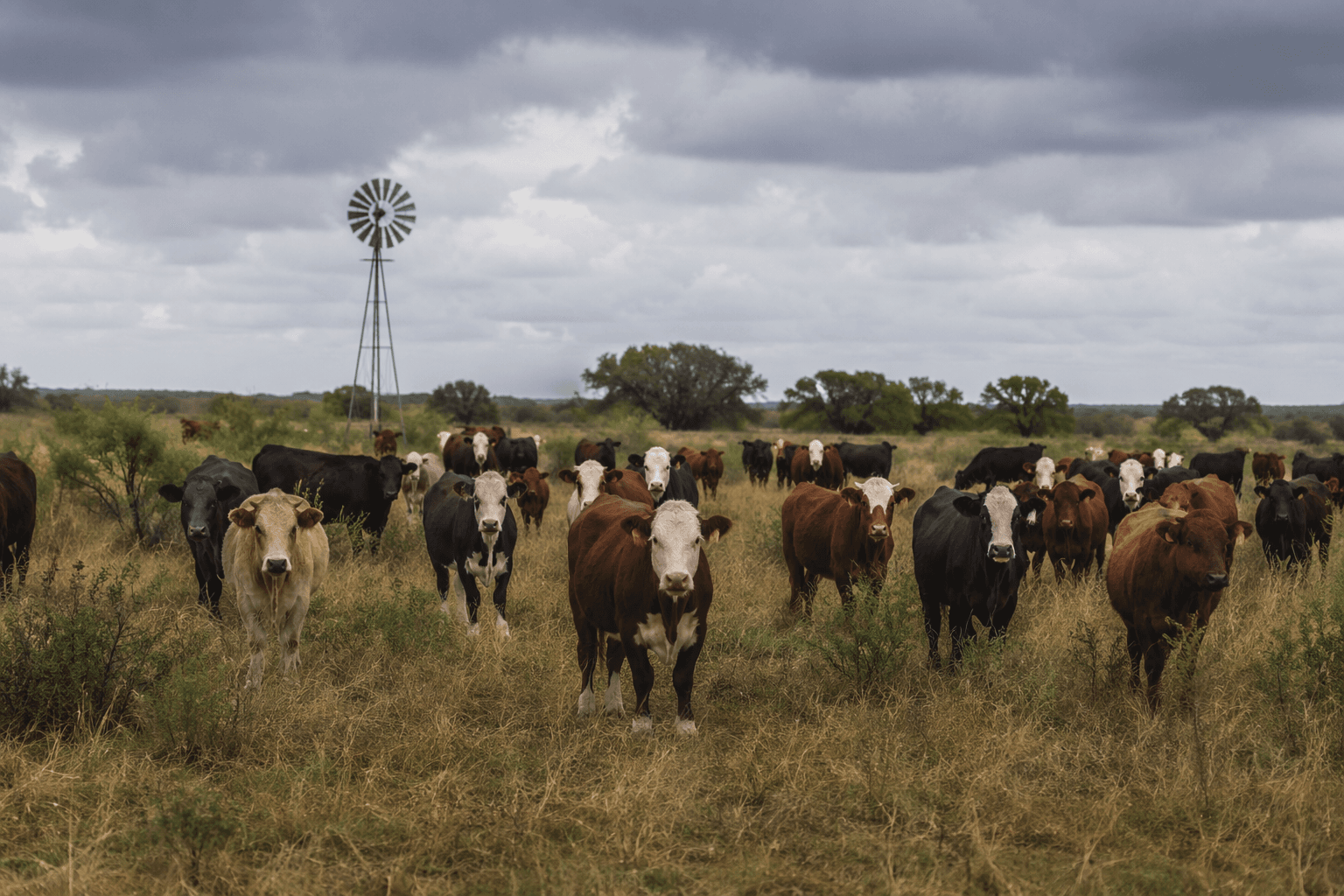
By 1878, the brothers fenced their land and shifted into cattle breeding. The Adamses were among the first to bring Durham bulls to Texas, a detail that matters because it points to breed improvement, more controlled ranch management and the move away from open-range habits toward a more organized stock economy.
Texas ranching at the time was broader than cattle alone. The state’s ranching tradition included cattle, sheep and goats, and horses, so the Adams enterprise fit a larger South Texas pattern rather than an isolated family story. The mix of stock types reflects the economic flexibility that allowed ranches to survive on rough land and variable markets.
Land, expansion and the making of a ranch economy
The Tecolote operation grew by adding land, not just by raising more animals. In 1888, the Adams brothers purchased the Farías grant, adding two leagues adjoining their property and enlarging the ranch footprint in a way that helped knit together neighboring tracts.
When the brothers divided their property in 1893, Robert kept Tecolote Ranch while William moved near Alice. That split matters because it places Robert at the center of the older ranchland and shows how the family’s holdings helped shape the geography that later became part of Jim Wells County.
The surrounding ranch landscape makes Tecolote easier to see in context. In northeastern Jim Wells County, Palo Ventana Ranch began in 1871 with a 160-acre homestead grant to George and Hannah Compton Reynolds and later expanded to 25,930 acres. Earlier still, by 1849, the Amargosa ranch in what is now Jim Wells County was already dealing in wool and hides. Adams was therefore part of a broader county story in which livestock, land grants and trade built the local economy well before county government did.
Why Jim Wells County still traces back to ranch land
Jim Wells County was created in 1911 from Nueces County and organized in 1912, with Alice as the county seat. That timing matters: the Adams ranching story predates the county itself, which means the county’s settlement pattern grew out of established ranch country rather than the other way around.
Alice also grew from older ground. The town originated in the defunct community of Collins, and around 1880 the San Antonio and Aransas Pass Railway attempted to build a line through that area. Rail access later gave Alice a civic center, but the land underneath it was already part of a ranching landscape built by families like the Adamses.
The county’s namesake, James Babbage Wells Jr., was a powerful South Texas Democratic boss, and that political network helped frame the creation of county institutions. Yet the local foundation remained agricultural. Jim Wells County’s economy historically rested on agriculture, and the Tecolote story shows how stock raising shaped settlement, property boundaries and family continuity before the courthouse era began.
What Tecolote Ranch leaves behind
Tecolote Ranch still works as an origin point for understanding the county. The name marks a specific creek corridor north of Alice, the Adams family name survives in local memory through descendants such as James David Adams, and the old ranch footprint explains why some of Jim Wells County’s earliest institutions grew where they did.
Robert Adams’s life links a few crucial threads: English immigration, wartime cotton hauling, sheep raising, cattle breeding, land assembly and county formation. Put together, those details show that Jim Wells County was not built first by streets and town limits, but by ranches like Tecolote that turned South Texas land into a lasting economic and social map.
This article was produced by Prism’s automated news system from verified source data, official records, and press releases, then run through automated quality and moderation checks before publishing. The system is built and supervised by the people who set the standards it runs under. Read our full AI policy.
Did this article answer your question?