168 seabirds found dead at Kauai beach, cats blamed
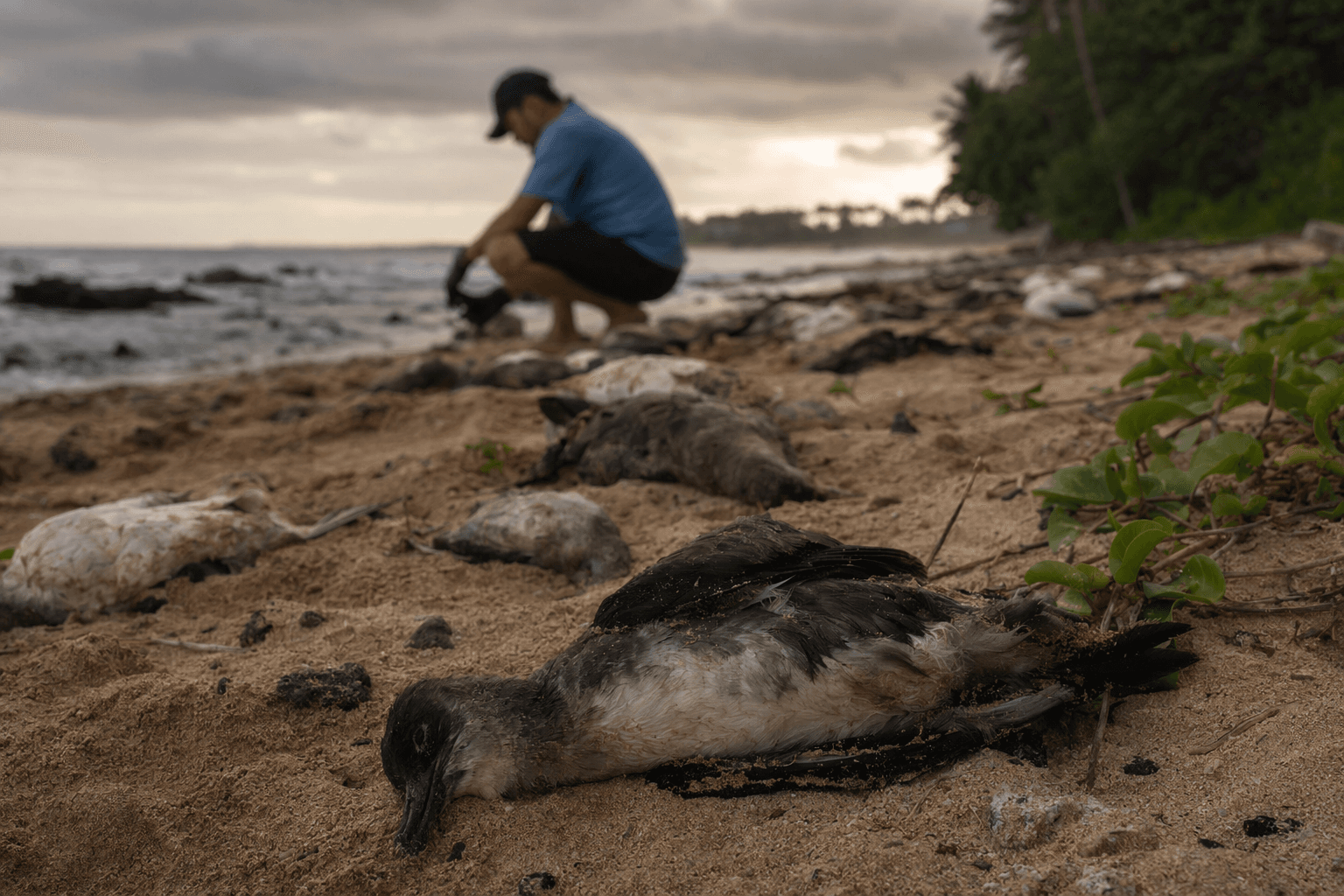
168 adult shearwaters were found dead at Shipwreck Beach, a blow that hit Kauai’s breeding season just as native seabirds were returning to nest.
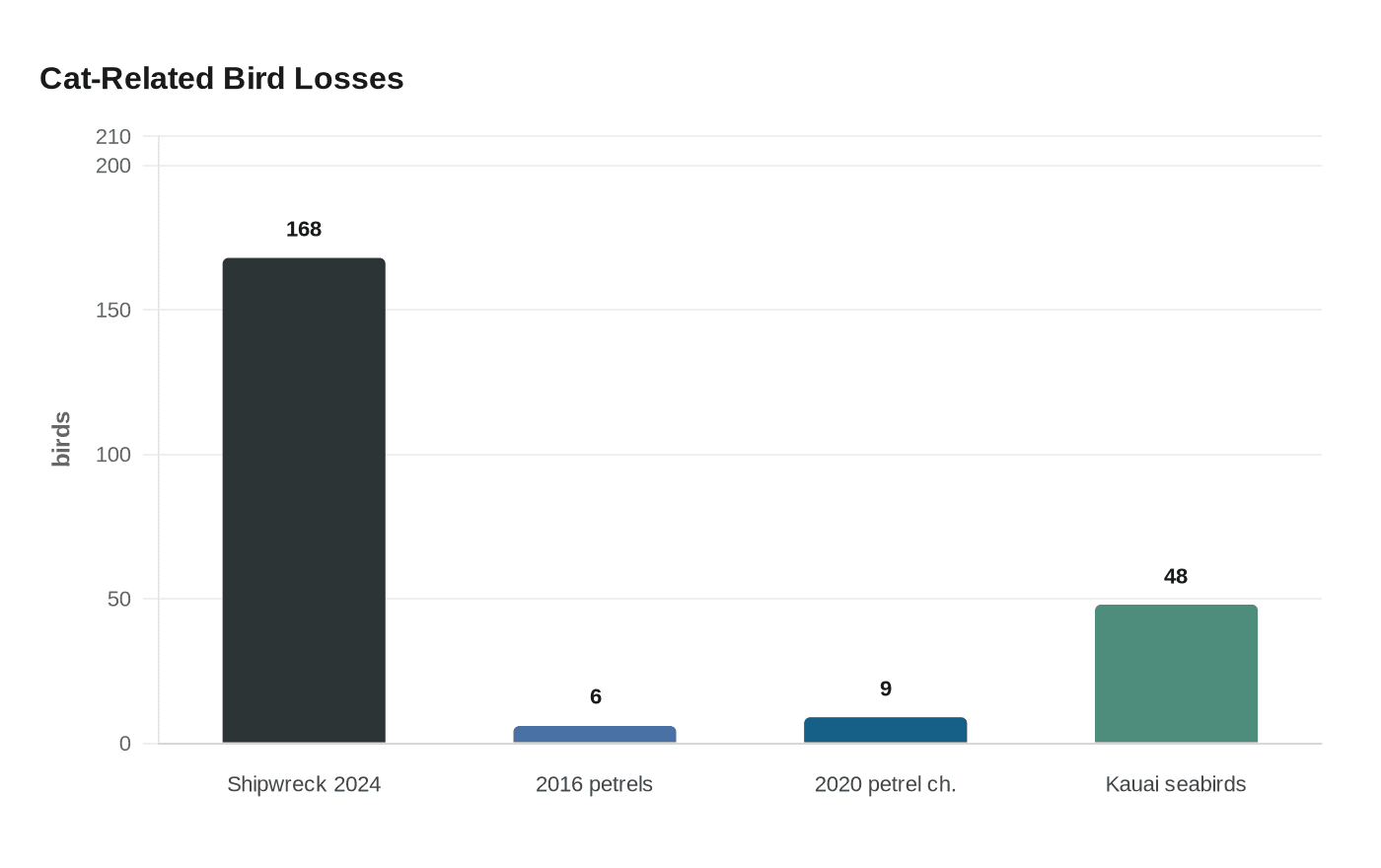
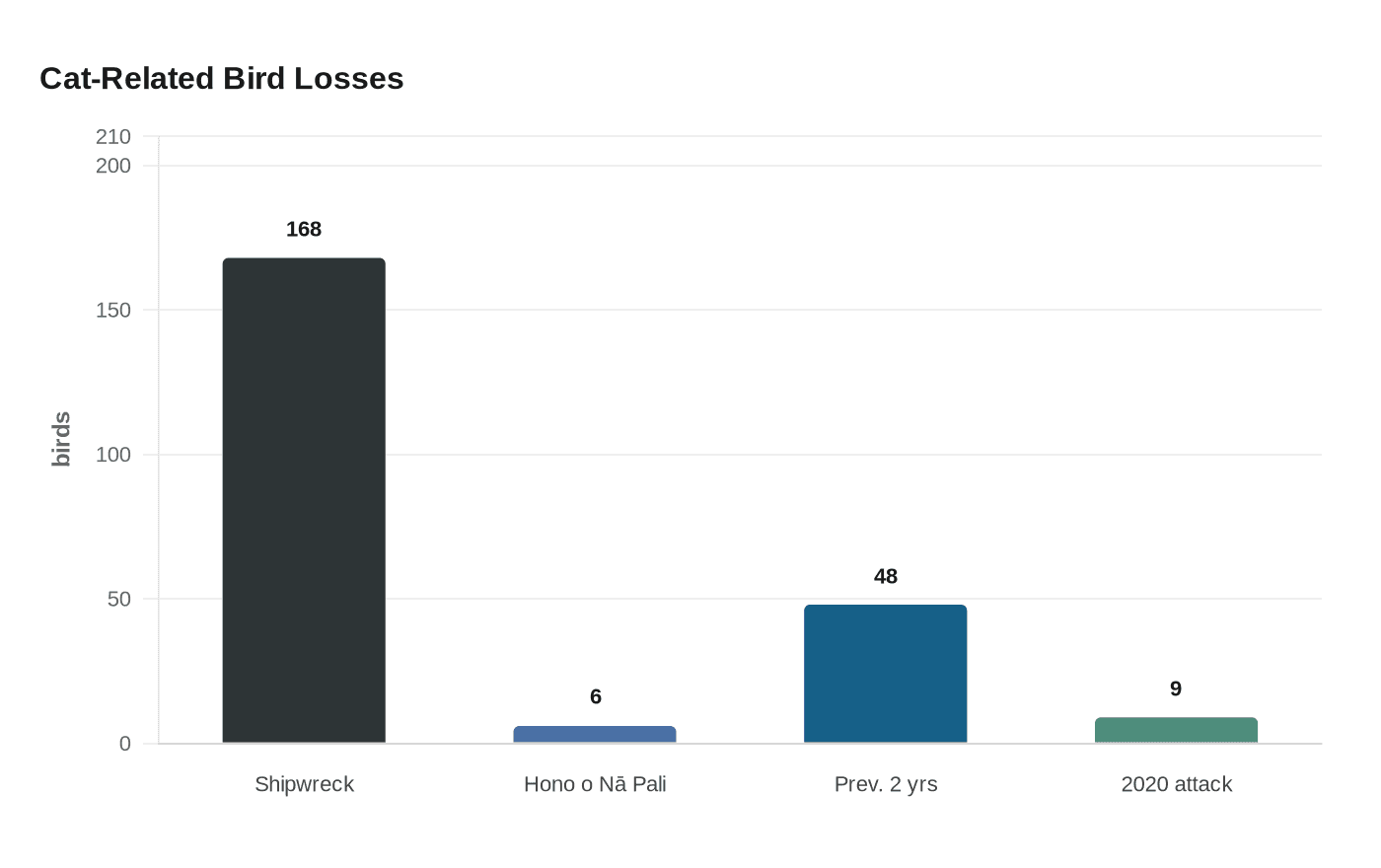
What specific control, enforcement and pet-ownership changes will keep another cat attack from turning Shipwreck Beach into a graveyard for native seabirds? Conservationists documented 168 dead wedge-tailed shearwaters near Keoneloa, also known as Shipwreck Beach, after a public report sent them to the colony.
ACAP said the birds were all adults returning to their burrows to start breeding, and the injuries and body disposition pointed to cats. The timing makes the loss more damaging. Wedge-tailed shearwaters, known locally as uau kani, breed in Hawaii from March through September, so the kill landed at the start of the nesting season, when every adult bird matters. When breeding adults die, the chicks they would have raised are also likely to fail, turning one predation event into a wider colony setback.
Kauai has seen this pattern before. In 2016, DLNR said feral cats dragged six endangered Hawaiian petrels from burrows in Hono o Nā Pali Natural Area Reserve, and that at least 48 endangered seabirds had been found killed by feral cats on Kauai in the previous two years. In 2020, DLNR said one free-roaming cat killed at least nine endangered Hawaiian petrel chicks over three days, and the agency warned that huge numbers of wedge-tailed shearwaters had also been killed at coastal colonies. Hawaiian petrels account for around one third of the world population on Kauai.
The island has built defenses in some places, but not enough to erase the risk. Pacific Rim Conservation says the predator-exclusion fence at Kīlauea Point National Wildlife Refuge was completed in 2023 and is now the largest full predator exclusion fence in the Hawaiian Islands. The group says it monitors about 600 wedge-tailed shearwater nests there. Yet a DLNR predator profile says the Kauai County Feral Cat Colony Ordinance Committee estimated there are 52 cat colonies on Kauai, and that one female cat can produce more than 100 kittens in her lifetime.
That is why this loss reaches beyond bird counts. Wedge-tailed shearwaters help move nutrients between sea and land, and local reporting has linked them to coral reef growth and support for fishermen. A birding trail profile has said a single cat has been known to wipe out an entire colony of more than 100 shearwaters. At Shipwreck Beach, the question now is whether officials, colony managers and pet owners will treat repeated cat predation as the preventable policy failure it has become. Cats need to be indoors.
This article was produced by Prism’s automated news system from verified source data, official records, and press releases, then run through automated quality and moderation checks before publishing. The system is built and supervised by the people who set the standards it runs under. Read our full AI policy.
Did this article answer your question?