Hanalei residents back $19 million sewer plan to protect groundwater, iwi kūpuna
Sewage in parts of Hanalei sat just 3 feet below ground, pushing a $19.26 million sewer fix aimed at protecting groundwater, Hanalei Bay and iwi kūpuna.
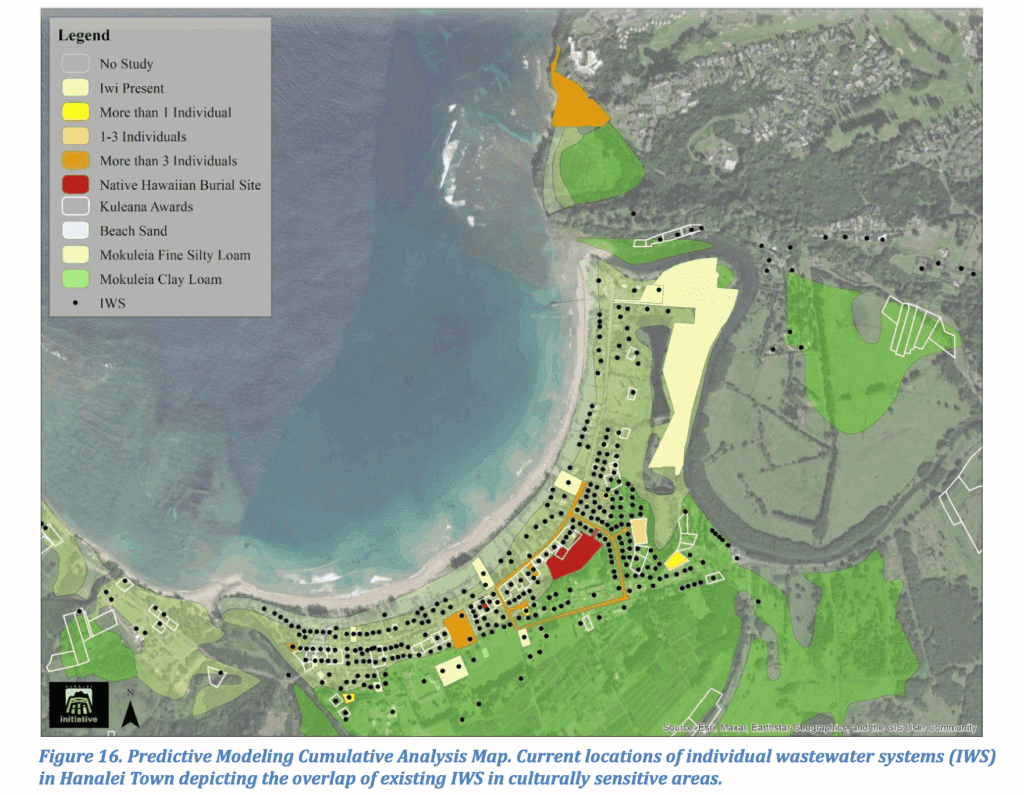
In parts of Hanalei, sewage sat just 3 feet beneath the surface, a shallow water table that left roughly 115 cesspools leaking untreated waste into groundwater and then toward nearby streams and Hanalei Bay.
A yearlong wastewater planning study led by The Hanalei Initiative recommended a liquid-only, pressure sewer system estimated to cost $19.26 million over 30 years. The project was backed by a USDA Rural Development technical assistance and training grant and shaped by groundwater monitoring, water-quality analysis, meetings and resident surveys.
The nonprofit said the plan was built around cost, environmental protection, long-term resilience and the need to avoid disturbing soils that may contain Native Hawaiian ancestral remains. Between 1993 and 2024, iwi kūpuna at 24 parcels in Hanalei were affected by development work, and some remains were found only 1 foot below the surface. Joel Guy, the group’s executive director, said any solution had to protect cultural sites and “take care of the place first.”
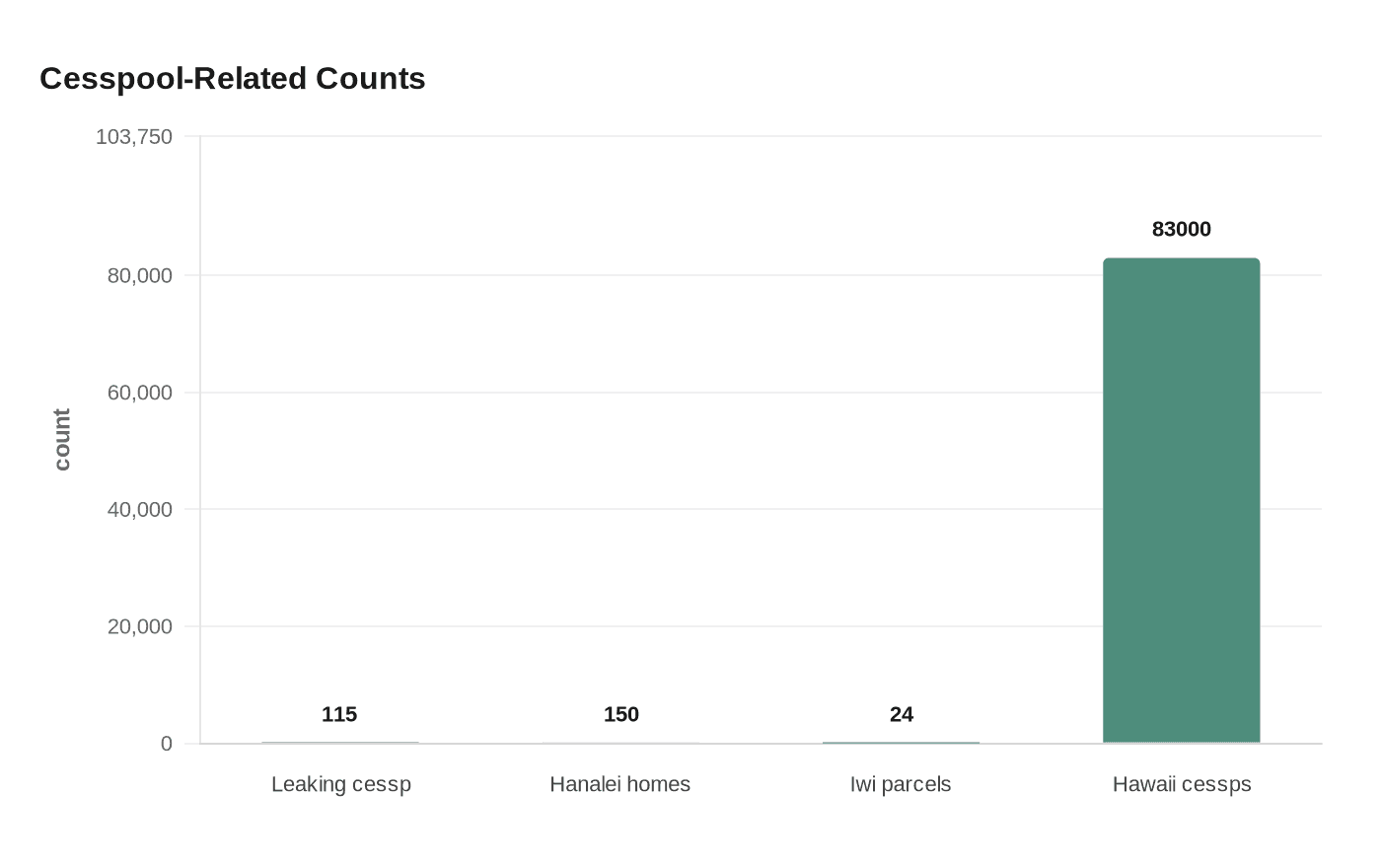
The stakes reach beyond one neighborhood. The Hanalei Initiative said it identified more than 360 active cesspools from Hanalei to Hā‘ena, and it estimated about 150 homes in Hanalei still depended on cesspools. Under Act 125, Hawaii’s roughly 83,000 cesspools must be upgraded, converted or connected to sewer by 2050, putting Hanalei’s long-running wastewater problem inside a statewide deadline.
Water-quality records show why the issue has lingered. Since 2004, Hanalei Bay and the four streams feeding it, Hanalei, Waioli, Waipa and Waikoko, have been listed by the Hawaii Department of Health as impaired for Enterococcus bacteria. The state’s 2020 water-quality report again listed Hanalei Bay Landing and all four waterways as impaired. Researchers and advocates say that pollution threatens swimmers, surfers, fishers, coral reefs and the bay’s marine environment.
Retired North Shore firefighter Dane Smith, now a project manager for The Hanalei Initiative, said residents notice more earaches and similar illnesses in summer when the surf is flat and water sits in the bay. The county’s Residential Cesspool Conversion Grant Program has offered up to $20,000 per selected homeowner, with 100 grants available, but applications closed Sept. 27, 2024. After decades of on-and-off discussion, Hanalei’s sewer debate has moved from an urgent warning to a concrete infrastructure decision, with groundwater, coastline health and cultural stewardship all on the line.
This article was produced by Prism’s automated news system from verified source data, official records, and press releases, then run through automated quality and moderation checks before publishing. The system is built and supervised by the people who set the standards it runs under. Read our full AI policy.
Did this article answer your question?