Hawaii confirms two more travel-related cyclosporiasis cases in residents
Two more Hawaii residents were confirmed with travel-related cyclosporiasis, bringing the 2026 total to three. Health officials said there was no evidence of spread in local communities.
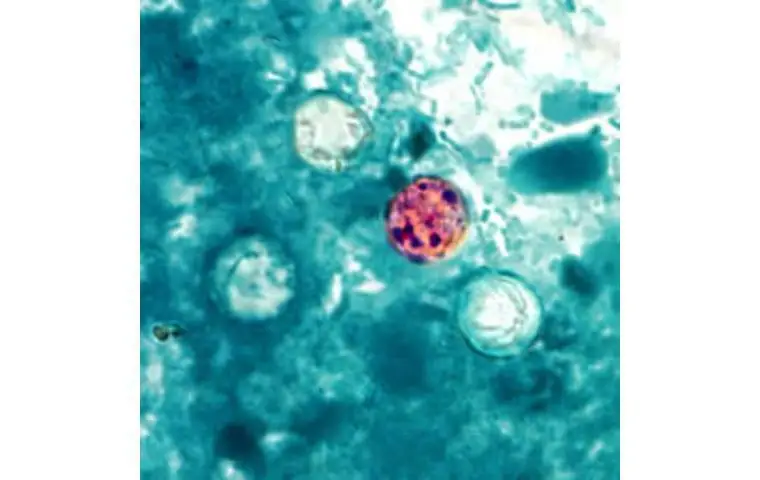
Two more Hawaii residents were confirmed with travel-related cyclosporiasis on July 24, lifting the state’s 2026 total to three and prompting health officials to say there was no evidence of local transmission in Hawaii communities.
The two newly confirmed patients were members of the same household and traveled together, KHON2 reported. Their trips included international travel and a visit to a U.S. state that has reported a cyclospora outbreak, which is the kind of travel history that helps public-health workers sort imported cases from illnesses spread inside Hawaii.

Cyclosporiasis is an intestinal illness caused by the parasite Cyclospora cayetanensis. The Hawaii Department of Health says symptoms usually begin about one week after exposure, but can take anywhere from 1 to 20 days to appear. People with the illness can have watery diarrhea, stomach cramps, fatigue, loss of appetite and nausea, and the symptoms can last for days or weeks.
For Kauai households, the update matters even though the cases were not tied to the island. Residents move between islands and to the mainland every week, visitors pass through hotels, restaurants, food trucks and grocery stores, and much of the state’s food supply is imported. That makes travel-linked illnesses worth noticing early, especially for families who have recently returned from trips or for anyone whose work puts them around food.
The state health department passed along a July 14 Centers for Disease Control and Prevention Health Alert Network advisory on domestically acquired cyclosporiasis in multiple U.S. states. The CDC alert described a large multistate outbreak in at least four Midwestern states, underscoring why recent travel history can matter when someone on Kauai develops digestive symptoms after a trip.
Hawaii officials had already reported the year’s first case in a visitor who developed symptoms upon arrival, though that person was not counted in the state total because the patient was not a resident, Hawaii News Now reported on July 15. The latest confirmations, by contrast, were counted in Hawaii’s resident case total.
The Hawaii Department of Health says suspected cases should be reported to the Disease Reporting Line at (808) 586-4586. For anyone who has been traveling and then develops prolonged diarrhea or stomach cramps, that timeline after exposure is the key clue health workers use to decide whether testing or treatment is needed.
This article was produced by Prism’s automated news system from verified source data, official records, and press releases, then run through automated quality and moderation checks before publishing. The system is built and supervised by the people who set the standards it runs under. Read our full AI policy.
Did this article answer your question?