Hawaii Rental Car Tax Bills Stalled After Industry Backlash at Hearing
Six Hawaii rental car tax bills stalled after industry warned the proposed change could cause a $162M revenue loss instead of the projected $80M gain.
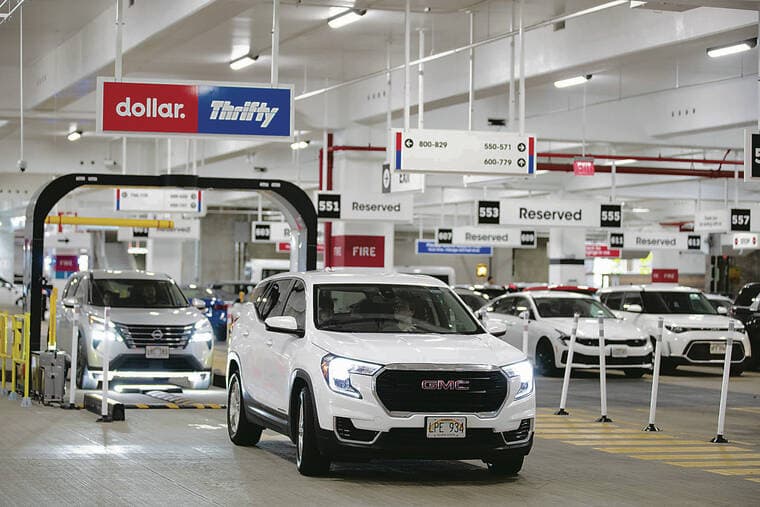
Six bills targeting the rental car industry's fleet tax structure were effectively killed at the Hawaiʻi Legislature this week after testimony from industry representatives warned the changes could cost the state far more than they raised.
Lawmakers deferred consideration of the last of the six measures, each of which would have applied the retail General Excise Tax rate to wholesale vehicle purchases by rental car companies. The deferred designation stops short of an outright defeat, leaving the door open for the issue to return in future sessions.
At the center of the dispute is a longstanding gap in how fleet vehicle purchases are taxed. Rental car companies currently pay the wholesale GET rate of 0.5% when acquiring vehicles for their fleets. The bills sought to apply the 4.5% retail GET rate instead, a four-percentage-point difference that proponents argued amounts to a tax advantage unavailable to other industries. Supporters projected the change could generate roughly $80 million per year in additional state revenue, money they said could fund teacher hazard pay and homestead development.
Industry representatives pushed back hard. Enterprise, Alamo, and National, along with local auto dealers, testified that the higher rate would change fleet purchasing behavior, with companies buying fewer vehicles annually rather than absorbing a steeper tax burden. Daniel Chang of Servco Pacific argued the state already collects substantial taxes from the rental car industry each time a car is rented, and challenged whether it was fair to single out one sector for a structural tax change. Industry testimony put a number to the risk: if fleet purchasing patterns shifted significantly in response to the new rate, the state could see a net decline of $162 million in tax revenue rather than a gain.
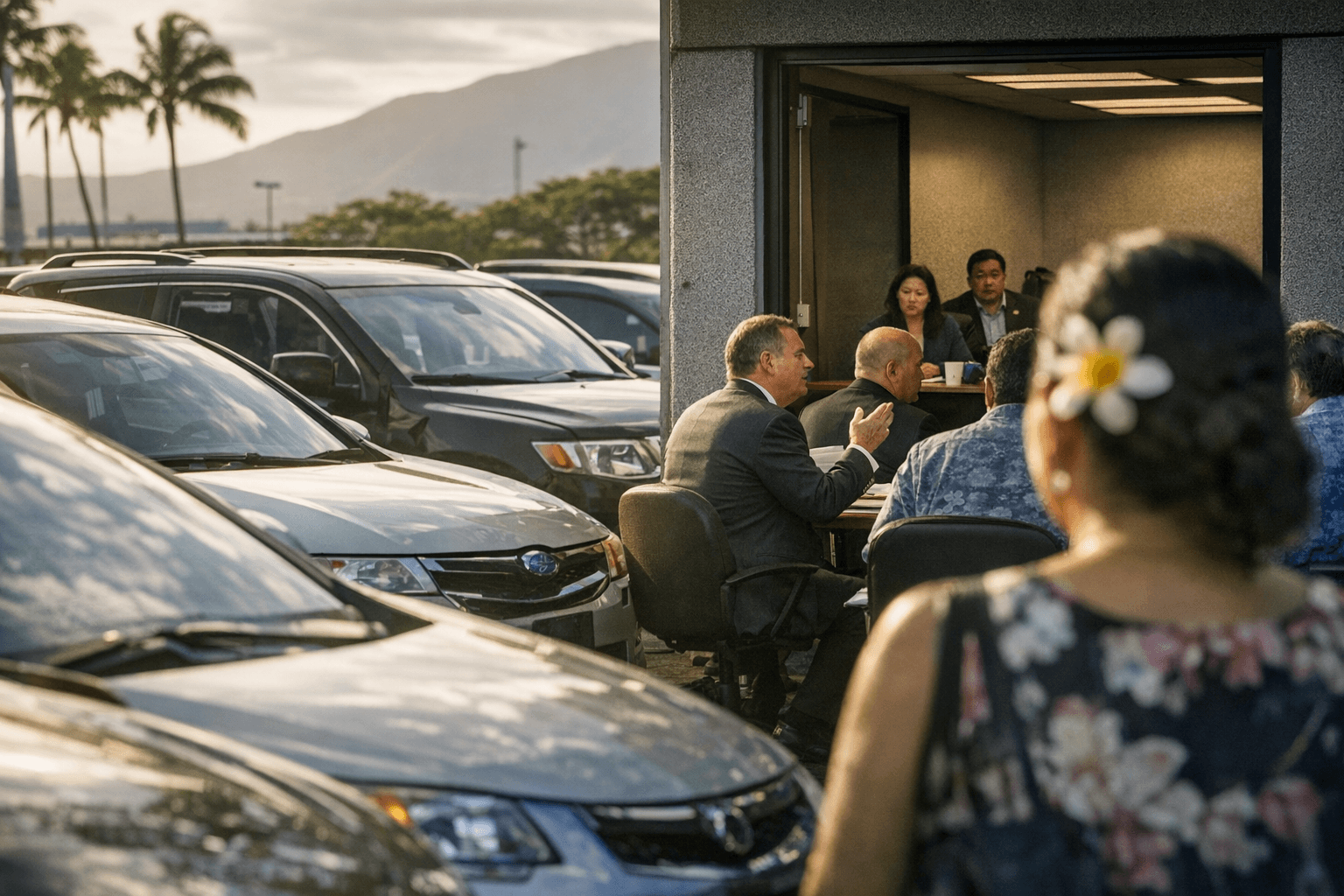
The bills drew an unusual coalition of supporters: teachers' unions aligned with ride-share and peer-to-peer rental platforms including Uber, Lyft, and Turo, companies that stand to benefit competitively if traditional rental car fleets shrink or become more expensive to maintain.
For Kauaʻi, the outcome extends beyond Honolulu politics. The island's visitor economy depends heavily on rental car availability, and shifts in fleet size or pricing ripple quickly into hotel, activity, and restaurant spending. If companies reduced vehicle acquisitions in response to higher fleet taxes, tighter supply could push rental rates upward for visitors, compressing the discretionary spending that sustains much of the island's service economy.
With the final bill deferred rather than formally defeated, the tax structure debate will likely resurface. Proponents secured enough legislative attention to bring six separate measures to hearing, and the $80 million annual revenue figure will remain a compelling target as the state faces continued pressure on public education and housing.
This article was produced by Prism’s automated news system from verified source data, official records, and press releases, then run through automated quality and moderation checks before publishing. The system is built and supervised by the people who set the standards it runs under. Read our full AI policy.
Did this article answer your question?