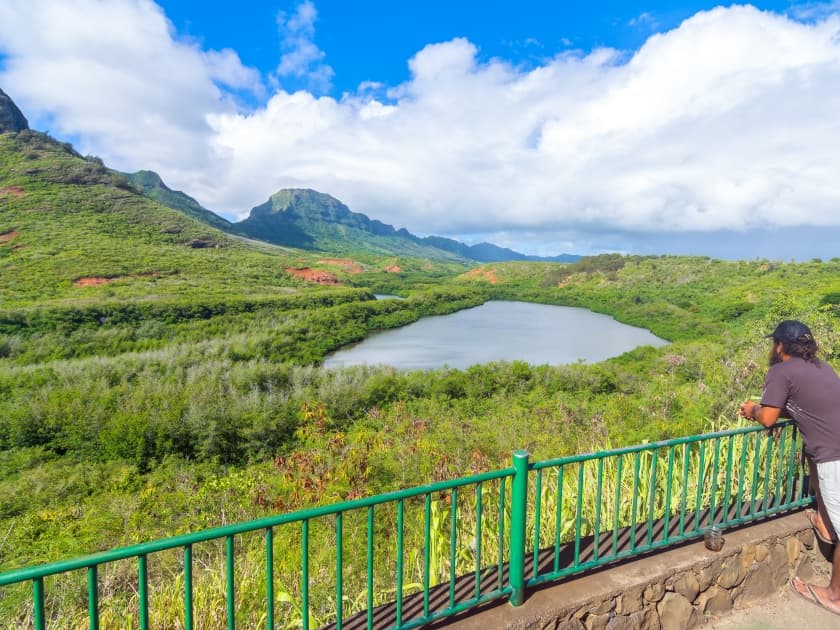
Hāena State Park limits visitors with daily reservations and parking rules
Hāena’s rules can make or break a day trip: residents with valid ID get first-come free entry, while everyone else needs advance reservations and Kalalau hikers need more paperwork.
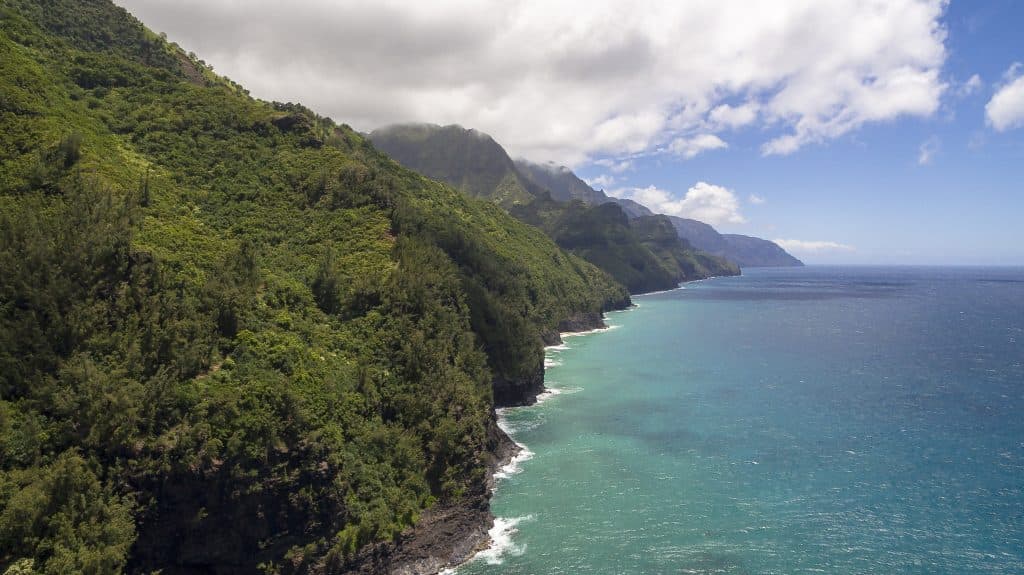
A current Hawaii driver license, state ID, or University of Hawaii student ID opens the gate and the parking lot at Hāena State Park for free on a first-come, first-served basis. Everyone else needs an advance reservation, even if they are riding with a resident, and anyone heading onto the Kalalau Trail faces an extra layer of permit and parking rules.
Start here: the fastest decision tree
Hāena State Park is under daily visitor limits, and access is required for walk-in, bike-in, drive-in, or shuttle drop-off entry. The park is open daily, including holidays, from 7:00 a.m. to 6:45 p.m., while the parking lot opens at 6:00 a.m. and the shuttle runs daily from 6:20 a.m. to 6:40 p.m. Reservations open 30 days in advance at 12:00 a.m. HST.
Use this simple rule set before you pack the cooler:
- If you have a current Hawaii driver license, state ID, or UH student ID, you may enter and park for free on a first-come, first-served basis.
- If you do not have one of those IDs, you need a reservation, even if you are traveling with someone who does.
- If you are hiking beyond Hanakāpīai Valley on the coastal Kalalau Trail, you need a camping permit.
- If you are trying to do Kalalau, you also need the correct day-use or camping access and a parking reservation.
What trips people up most
The most common mistake is assuming a resident’s status covers the whole car. It does not. A Kauai parent bringing visiting family from the mainland cannot simply wave one local ID at the gate and treat everyone as covered. People without accepted Hawaii ID need their own reservation.
The second mistake is waiting until the day of travel to book parking. Parking and entry reservations usually sell out by 12:01 a.m. on Go Hāena.
The third mistake is confusing park access with trail access. A day at Hāena State Park is not the same as a Kalalau hike, and the rules for the trail are stricter. If the destination is the coastal route beyond Hanakāpīai Valley, the permit is not optional, and the ID check at the park entrance is part of the process.
Parking, shuttle, or resident entry
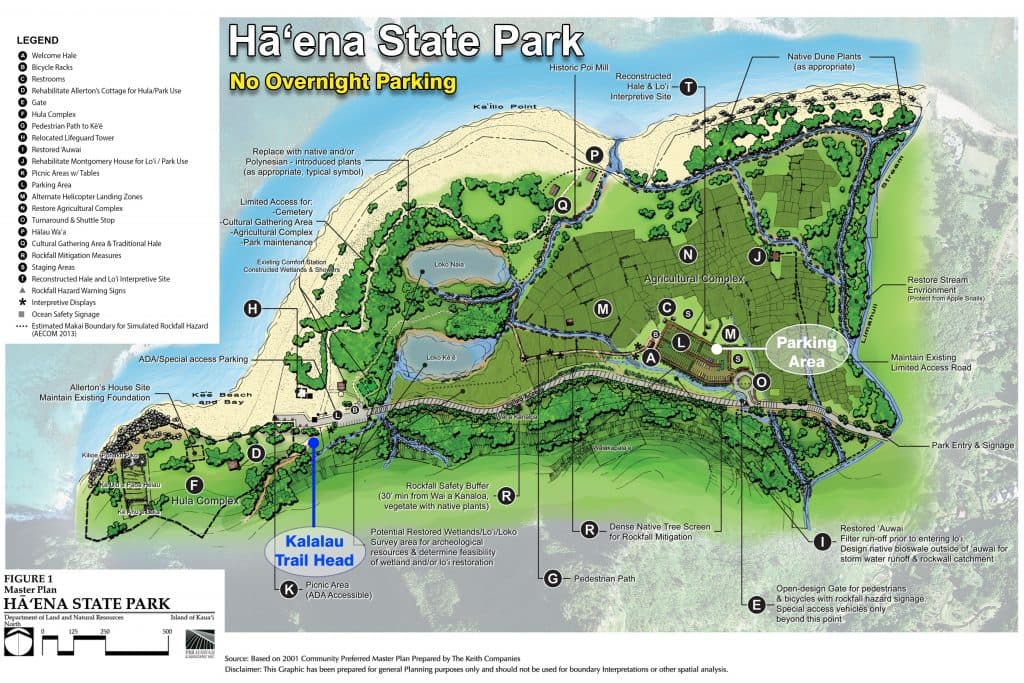
For a true resident trip, the free, first-come parking option is the simplest path, but it only works if you have the right current ID and if spaces remain when you arrive. The lot opens at 6:00 a.m., an hour before the park itself opens.
The shuttle is the safer bet when the parking reservation window has already closed, when you are bringing guests who do not have Hawaii ID, or when you want a backup that already includes Hāena State Park entry. Go Hāena’s route stops at Waipā Park & Ride, Wainiha Country Market, Hanalei Colony Resort, Hāena Beach Park, Limahuli Garden, and Hāena State Park. The Hanalei and Waipā shuttle runs every 20 minutes daily, and the full ride takes about 30 minutes each way.
Returning shuttle riders leave Hāena State Park on a first-come, first-served basis.
Kalalau camping and overnight parking
Kalalau is the place where a casual beach plan becomes a permit-and-parking puzzle. Camping permits can be purchased up to 90 days in advance, and permit holders are checked by ID at the park entrance, so the paperwork needs to match the person using it, not just the vehicle arriving at the gate.
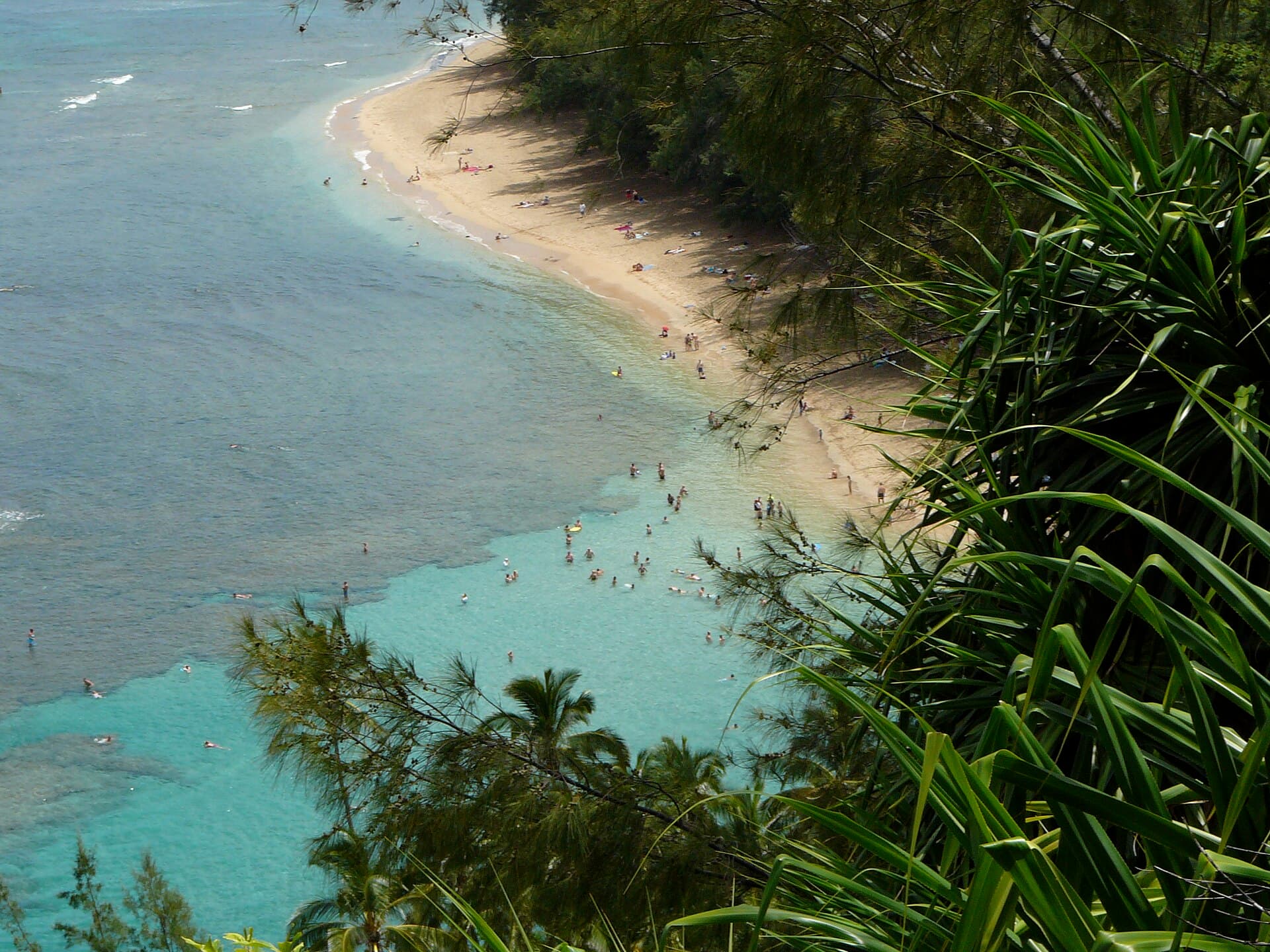
Overnight parking is limited while the Hāena State Park lot is under construction, and overnight parking is available only for Kalalau camping permit holders. Camping permit holders who need parking must buy overnight parking for every day the vehicle is in the lot. One-night camping requires two days of parking, while four-night camping requires five days of parking.
Why the rules are strict
Hāena State Park is only 65 acres, but it sits in one of the most heavily managed visitor landscapes on Kauai. The access changes were designed to protect resources, mitigate decades of impacts to Hāena’s rural community, and improve the visitor experience through the Hāena Master Plan. In 2019, DLNR said the highway area had long been jammed with people and cars and that the crowding had become detrimental to community values.
In 2021, the Board of Land and Natural Resources approved a one-year revocable permit for Hui Maka‘āinana o Makana to oversee and manage the reservation system, collect parking and entry fees, and operate an integrated shuttle that would reduce the number of cars entering the park each day. A 2023 case study on Hāena called the model community-led management for a destination hotspot and said it reduced visitor numbers and cars on the road, created jobs, and kept some revenue inside the community.
The community-management permit remained active enough to appear in a 2025 Board of Land and Natural Resources testimony file under revocable permit SP0002.
This article was produced by Prism’s automated news system from verified source data, official records, and press releases, then run through automated quality and moderation checks before publishing. The system is built and supervised by the people who set the standards it runs under. Read our full AI policy.
Did this article answer your question?