Kaua‘i approves new solar project to boost renewable energy goals
The approval sets up a 35-megawatt Mana solar farm with four hours of storage, a project KIUC says could cut bills and lift Kaua‘i near 90% renewables by 2030.
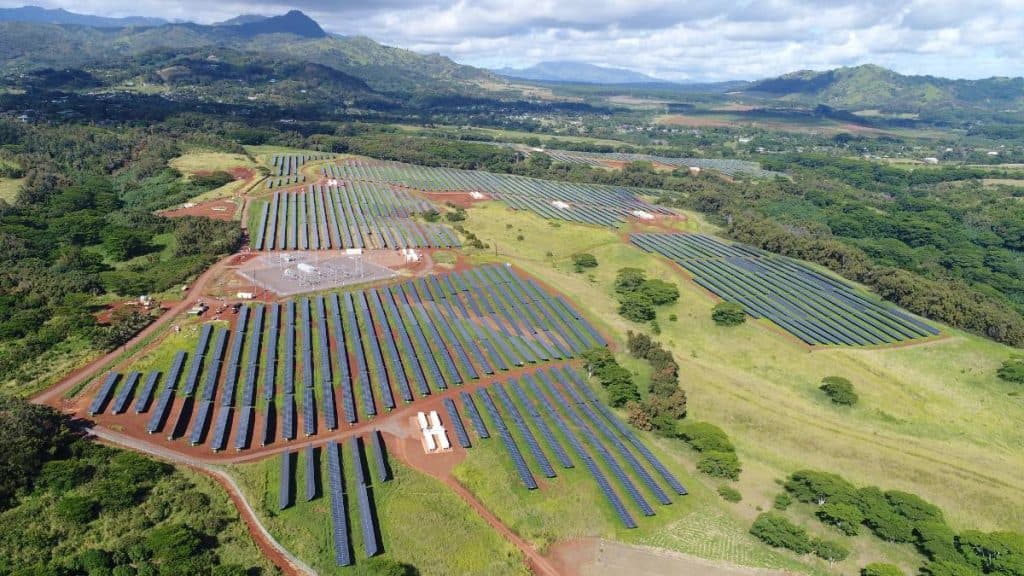
Kaua‘i ratepayers could see lower bills and a sturdier grid if a new solar-plus-storage plant on the Mānā Plain is built. The Hawai‘i Public Utilities Commission approved a power purchase agreement for AES Mana Solar & Storage, a 35-megawatt project with four hours of battery storage that KIUC says could help push the island close to 90% renewable generation by 2030 when paired with the already approved Ka‘awanui Solar project.
KIUC said the Mana facility would generate about 86,000 megawatt-hours a year under a 25-year agreement and would displace about 5.9 million gallons of diesel annually. The cooperative said the two projects together are expected to save members at least $13.4 million in the first year of operation and roughly $800 million over the life of the agreements. KIUC also said an average residential member would be paying about $27 less per month in May if the projects were already in service.
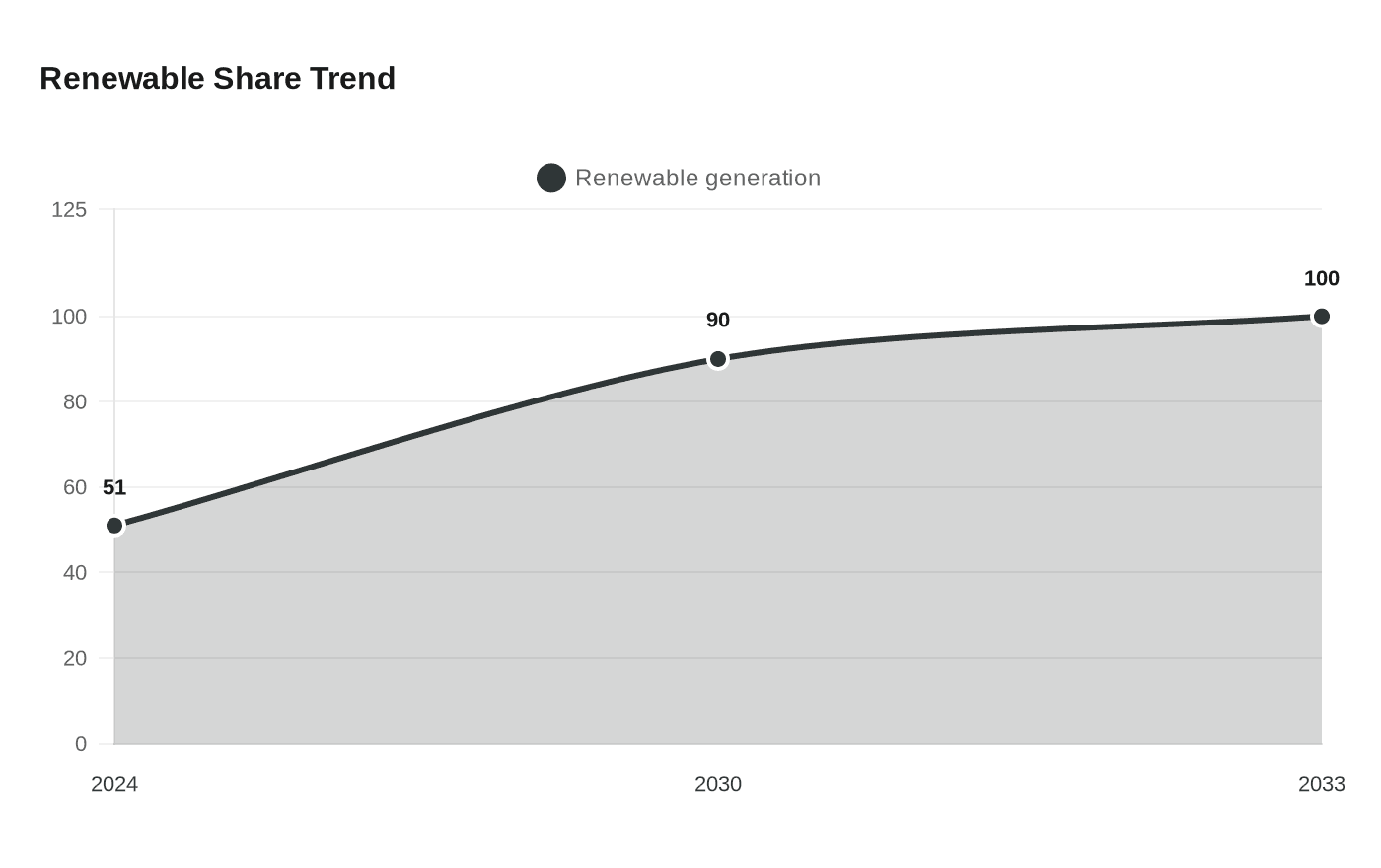
The approval matters because Kaua‘i’s electric system still leans heavily on imported fuel even as it has made steady progress toward local generation. KIUC reported 51% renewable sources in 2024 and is aiming for 100% renewable generation by 2033, a target the cooperative says is more than a decade ahead of the State of Hawai‘i’s 2045 clean-energy mandate. The island’s system averages about 50 megawatts of load during the day and rises to 70 to 80 megawatts during the evening peak, making large storage-backed solar projects especially important for reliability and outage resilience.
The Mana project would sit on land owned by the Agribusiness Development Corporation, which was created in 1994 and is administratively attached to the State of Hawai‘i Department of Business, Economic Development and Tourism. AES said the site would also include compatible agriculture, with Kaua‘i-based partners expected to help with land stewardship, ranching and other sustainable practices.
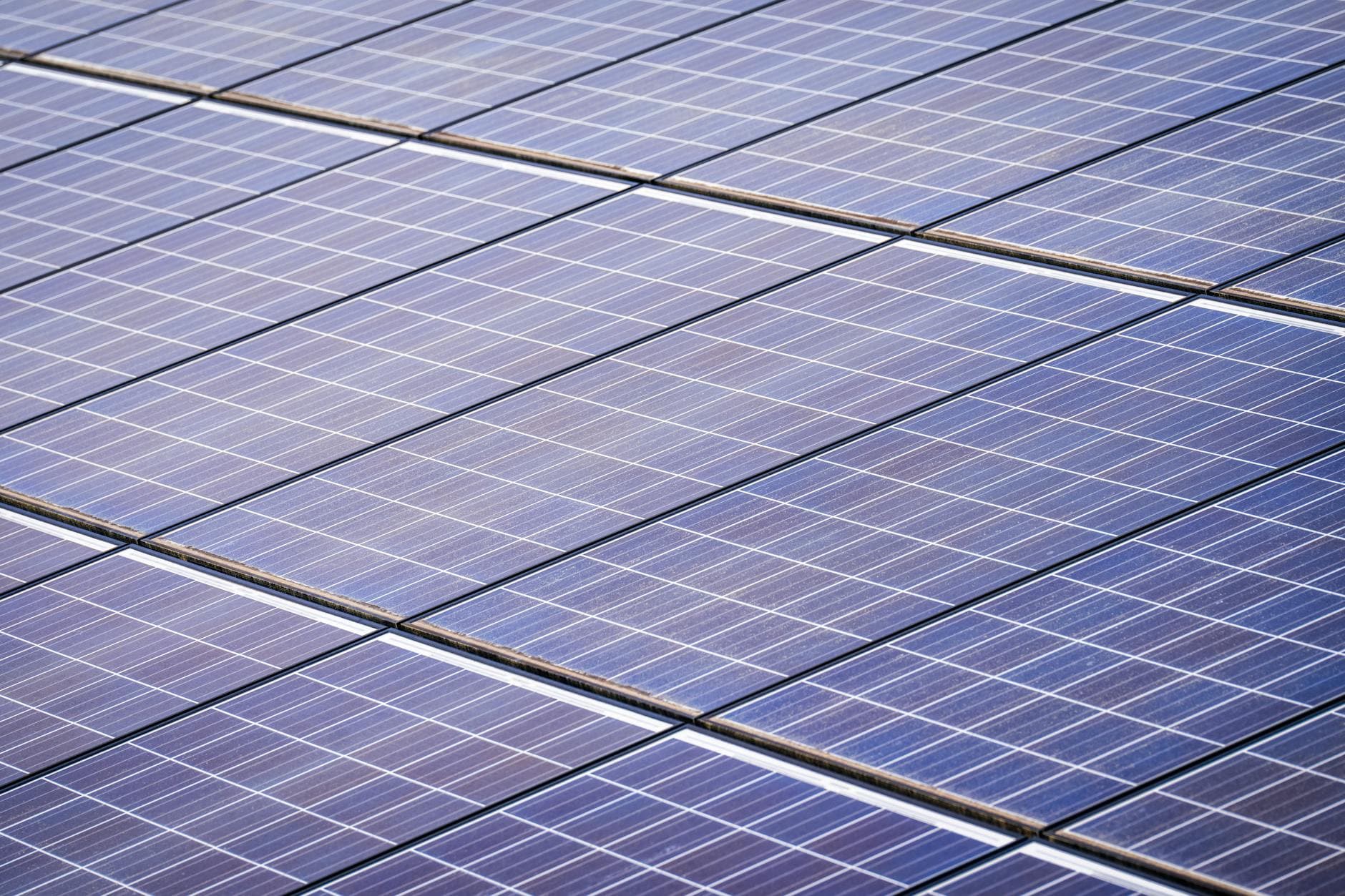
The new approval comes as KIUC and AES continue to build out a fast-growing renewable portfolio on the island. Lāwa‘i Solar + Storage, commissioned in 2019, was described at the time as the world’s largest operating solar-plus-storage system and was said to provide up to 8% to 11% of Kaua‘i’s electricity needs. KIUC and AES later brought Kekaha Solar + Storage online in 2021, and KIUC said in 2023 that it had reached 60.2% renewable generation before later reporting 57.9% renewable generation for that year.
The Mana decision also follows the March 5 approval of AES Hawai‘i’s Ka‘awanui Solar project, a 43-megawatt solar-plus-storage facility expected to power about 16,000 homes and meet 17.5% of annual load. KIUC said that project alone is expected to save members about $365 million over 25 years. After the setbacks that ended active development of the hydro portions of the West Kaua‘i Energy Project in December 2023, the utility is now pressing a simpler path: more solar, more storage and less diesel on Kaua‘i’s grid.
This article was produced by Prism’s automated news system from verified source data, official records, and press releases, then run through automated quality and moderation checks before publishing. The system is built and supervised by the people who set the standards it runs under. Read our full AI policy.
Did this article answer your question?