Kauai County releases updated hazard mitigation and resilience plan
Kauai County’s new hazard plan targets hurricanes, wildfires and floods through 2031, keeping the county eligible for FEMA resilience funding.

Kauai County has locked in a new five-year hazard plan as the Central Pacific hurricane season gets underway, putting hurricanes, wildfire, floods and tsunamis at the center of its resilience work through 2031. The update also keeps the county aligned with federal rules that govern access to mitigation money.
The 2026-2031 Multi-Hazard Mitigation and Resilience Plan names tropical cyclones or other high winds, wildfire, inland flood, high surf, coastal flood and erosion, tsunami, landslide, dam failure, earthquake, drought and heat as the main hazards of concern. KEMA Administrator Elton Ushio has described the plan as a cornerstone document for reducing damage from those threats, and the county says it is intended to guide how Kauai reduces vulnerability before the next storm, fire, flood or quake tests roads, homes, water systems and public infrastructure.
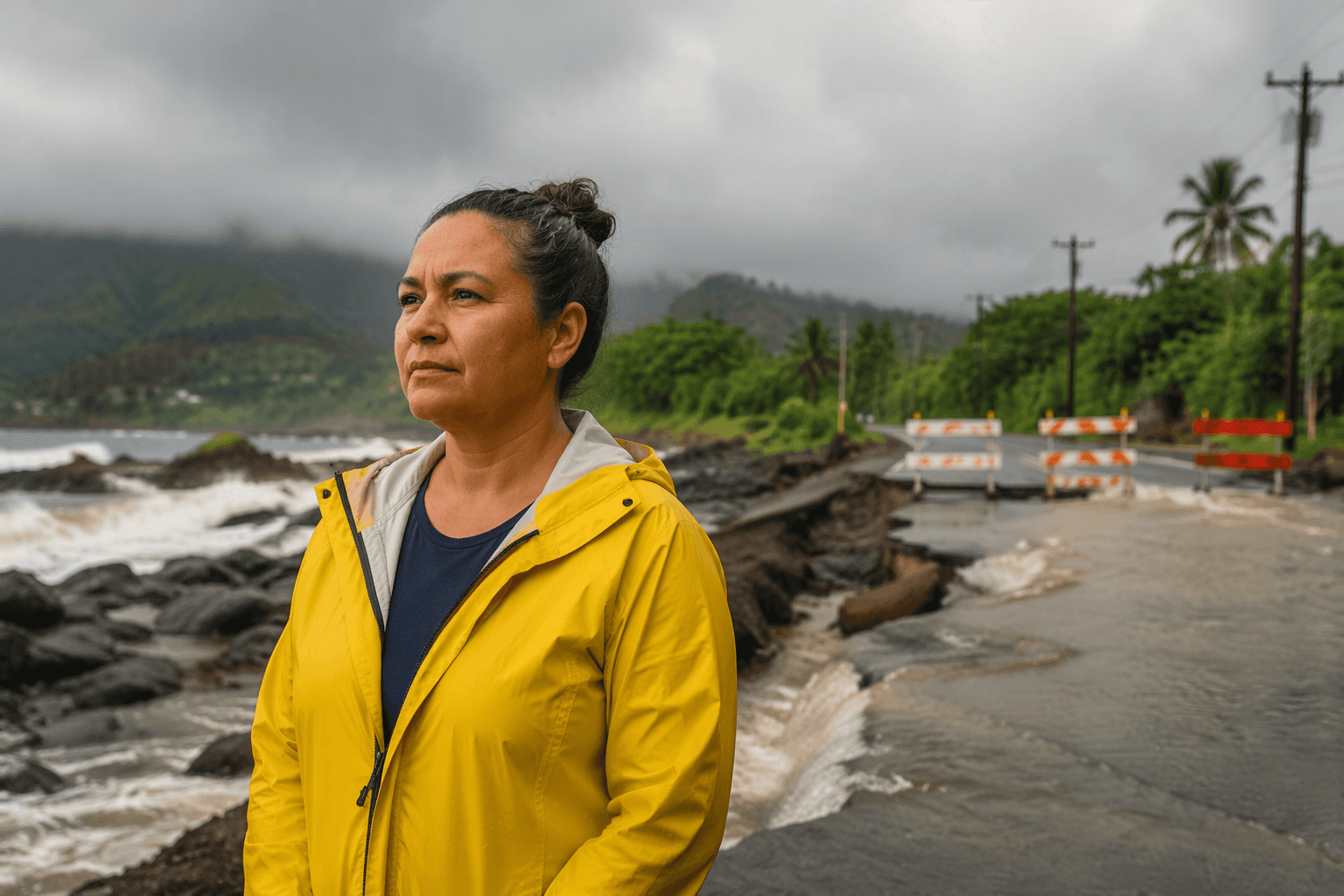
Residents had a role in shaping the update through a community open house on Dec. 10, 2025, and a public feedback window that remained open until Dec. 19. County materials say the draft was developed with county departments, state partners, private-sector organizations, nongovernmental entities and community members, with a core planning team and steering committee helping steer the work. Mayor Derek S.K. Kawakami adopted the final plan on May 1, and FEMA approved it on May 22.

The funding stakes are significant. The county says the plan helps maintain eligibility for FEMA mitigation and disaster-recovery funding, including grants tied to hazard mitigation, resilient infrastructure, flood mitigation and high-hazard dam rehabilitation. FEMA requires local jurisdictions to update hazard mitigation plans every five years to stay eligible for certain non-emergency grants, so the county’s emergency strategy is tied directly to future capital spending and recovery dollars.
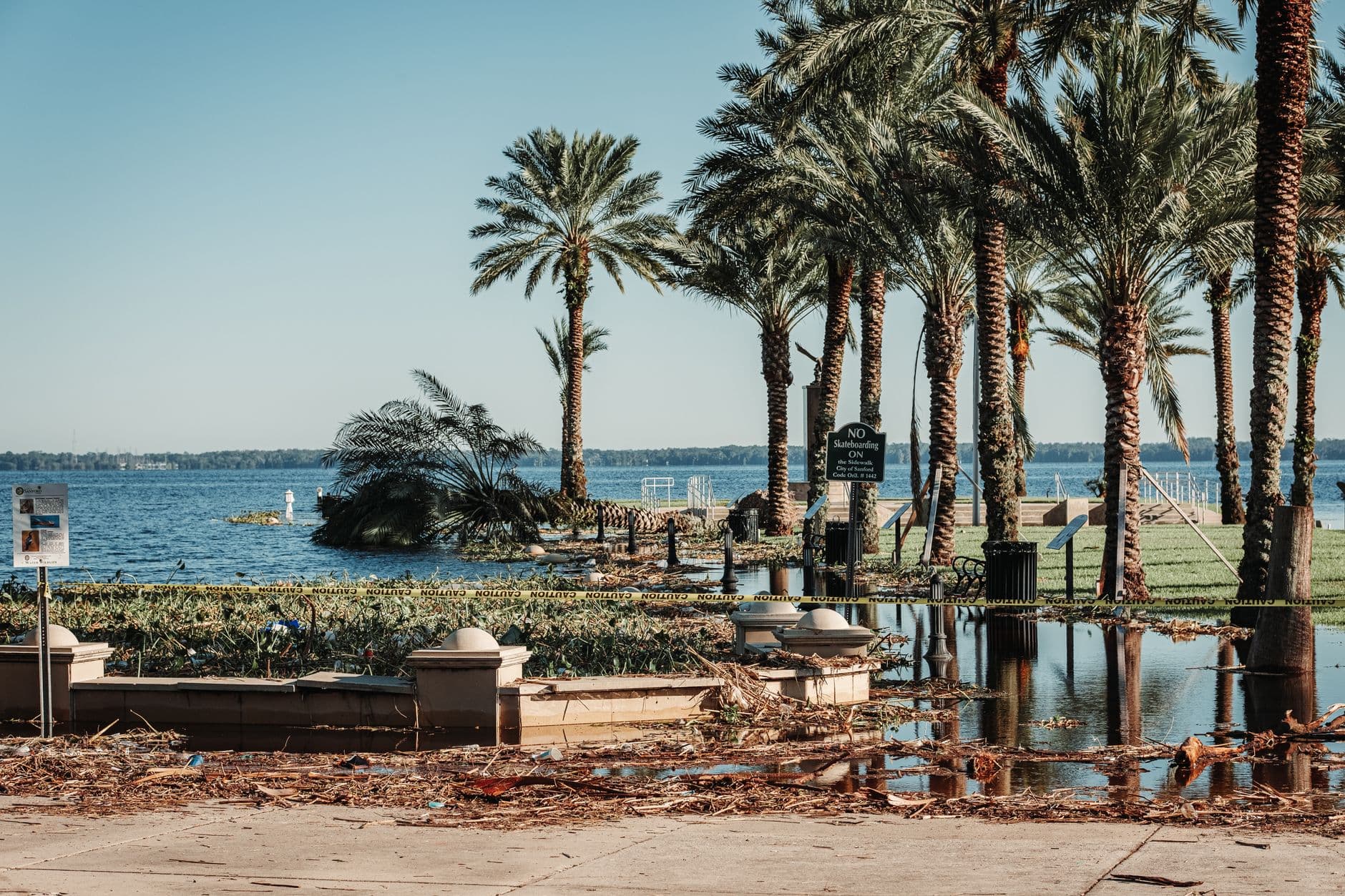
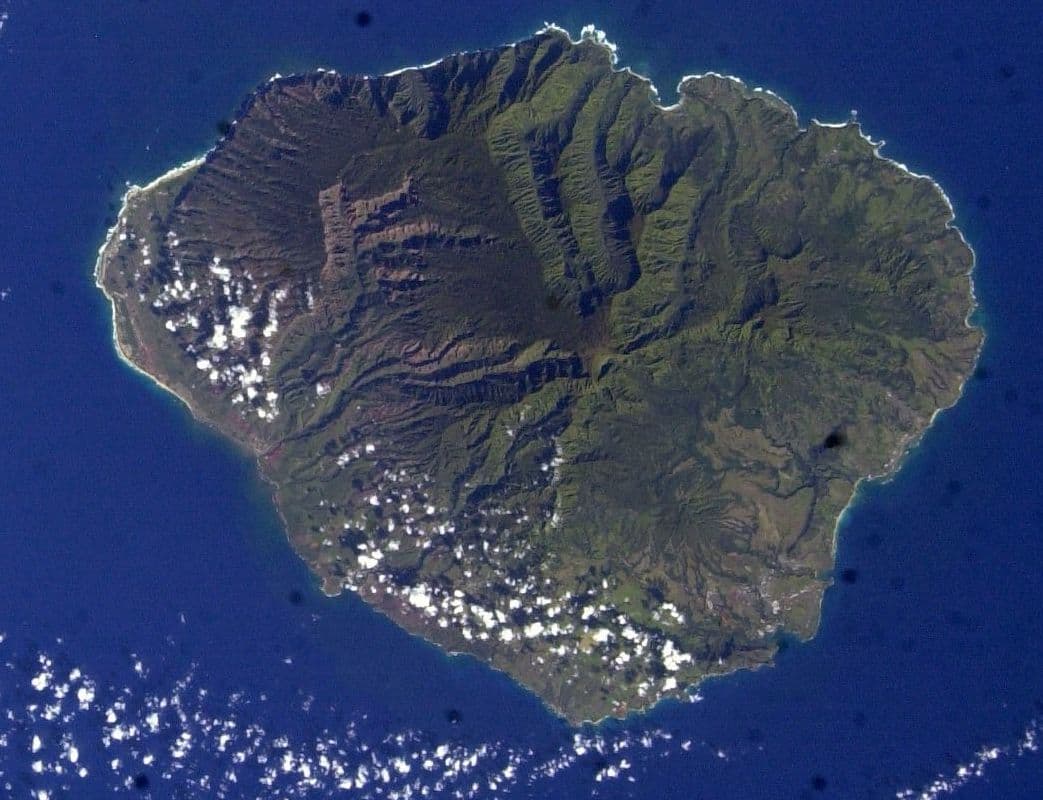
Kauai has already seen why those investments matter. During the April 2018 flood disaster, Wainiha recorded 49.69 inches of rain overnight on April 14-15, a U.S. 24-hour rainfall record at the time, as flooding, landslides and mudslides hit the North Shore. Kauai’s hazard mitigation plan was first developed in 2005 and updated again in May 2021, underscoring that the 2026 version is part of a recurring cycle built to prepare the county for the next emergency, not the last one.
This article was produced by Prism’s automated news system from verified source data, official records, and press releases, then run through automated quality and moderation checks before publishing. The system is built and supervised by the people who set the standards it runs under. Read our full AI policy.
Know something we missed? Have a correction or additional information?
Submit a Tip