Kaua‘i homelessness count shows fewer unsheltered residents, more shelter use
Kaua‘i’s latest homelessness count found 76 people in shelter, up from 59 two years ago, even as chronic homelessness rose to 169.
Kaua‘i’s latest homelessness count showed more people getting into shelter and fewer residents living unsheltered, but the island still faced a stubborn core of long-term need. The 2026 point-in-time count found overall homelessness down 1 percent, unsheltered homelessness down 5 percent, and unsheltered family homelessness down nearly 26 percent.
The sheltered count rose from 59 in 2024 to 76 in 2026, while unsheltered families fell from 22 to 19. For county leaders and service providers, those shifts suggest that emergency beds, housing navigation, and supportive services are reaching more households than they were two years earlier. But the same count also showed chronic homelessness climbing 8 percent, from 156 in 2024 to 169 in 2026, a reminder that the most difficult cases remain on the street or cycling through unstable conditions.
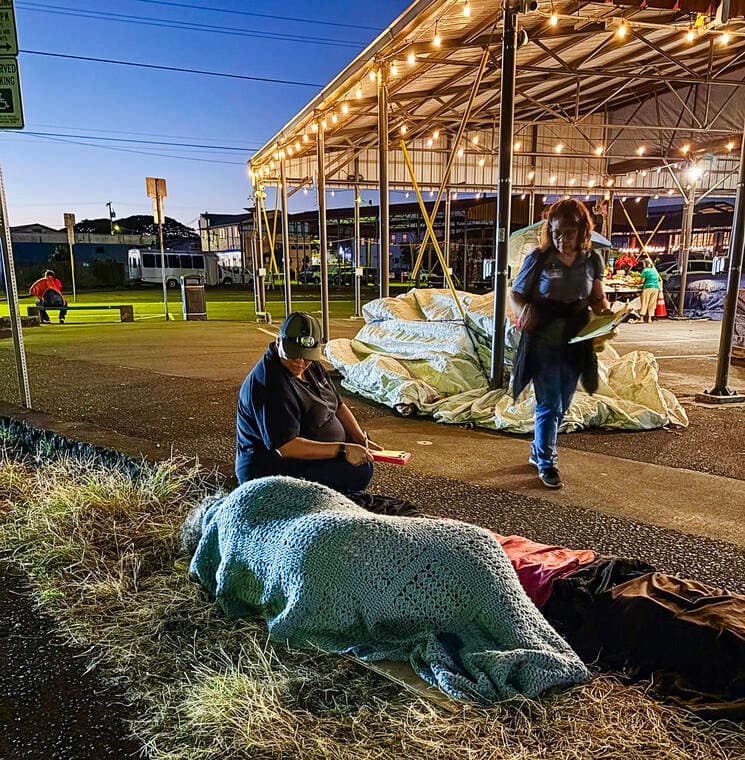
The official night of the 2026 Bridging the Gap count was Jan. 25, 2026. Volunteers and outreach workers canvassed Maui, Kaua‘i, and Hawai‘i Island to ask unsheltered residents where they slept that night, part of a federally mandated annual census used to estimate sheltered and unsheltered homelessness on a single night.
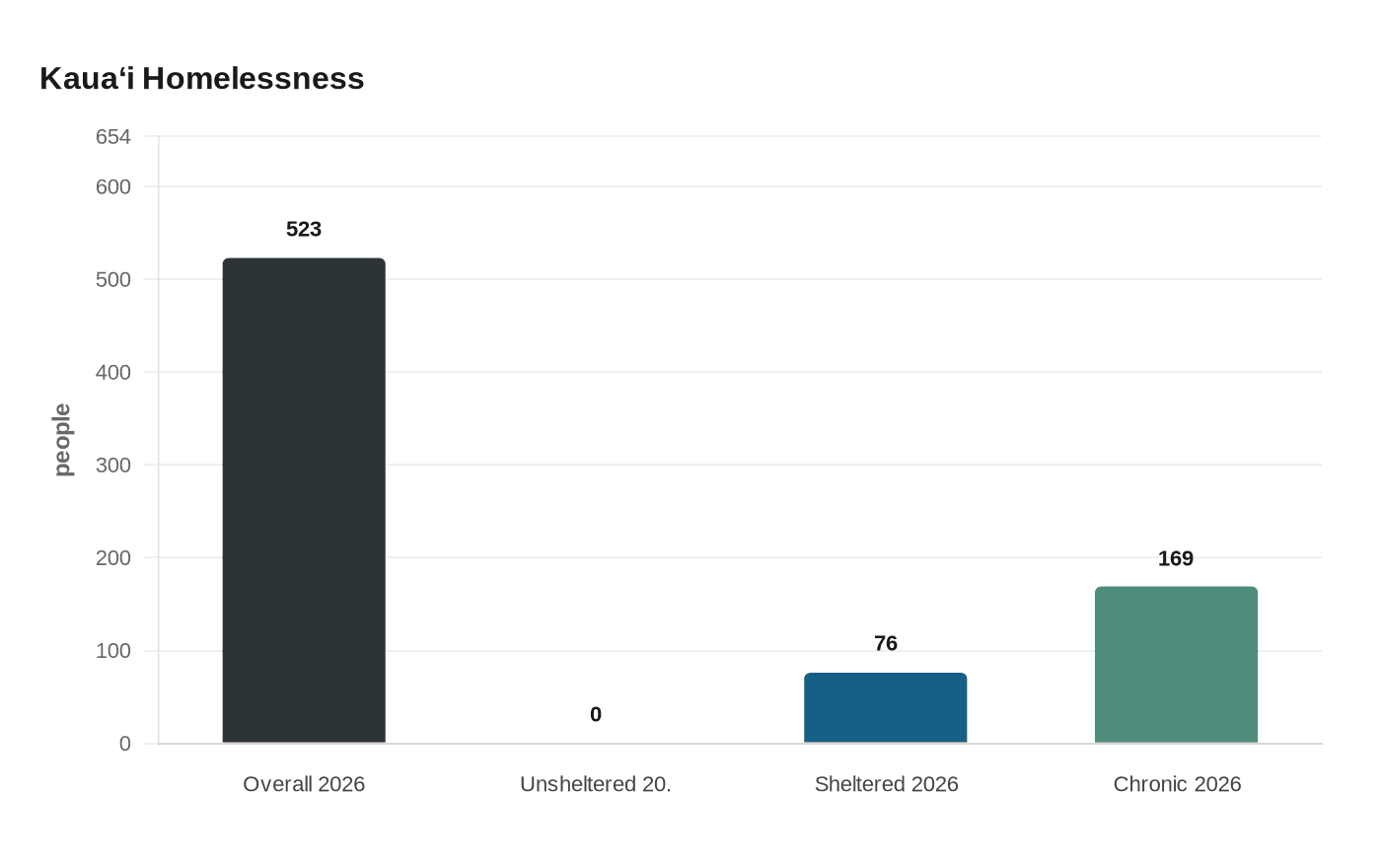
The count gives Kaua‘i a newer benchmark against the 2024 island total of 523 homeless individuals, including 74 keiki. It also places this year’s results in a longer trend line, with comparative data stretching from 2018 through 2026. That matters because the numbers help shape shelter capacity decisions, outreach priorities, and requests for state and federal funding.
Kaua‘i County Housing Agency said its homeless grant program for the March 1, 2026, through Feb. 28, 2027 funding period was guided by a draft Five Year Homeless Strategic Plan completed in November 2025. The county said in December that it was seeking grant applications for projects aimed at providing critical services to people experiencing homelessness, with priority given to proposals showing the strongest impact and fiscal stability.
Makana Kamibayashi, chair of the Kaua‘i Community Alliance, said the increase in the sheltered count suggested more individuals and families were connecting to shelters, housing resources, and supportive services, while warning that rising chronic homelessness showed the need for long-term support. Brandee Menino, chair of Bridging the Gap, said the region still had to keep investing in permanent supportive housing that people can realistically afford.
The latest count offers evidence that some parts of Kaua‘i’s response are working, especially for families reaching shelter. It also makes clear that the county’s next test is whether those gains can be held while more intensive housing and support are built for residents who remain unsheltered year after year.
This article was produced by Prism’s automated news system from verified source data, official records, and press releases, then run through automated quality and moderation checks before publishing. The system is built and supervised by the people who set the standards it runs under. Read our full AI policy.
Did this article answer your question?