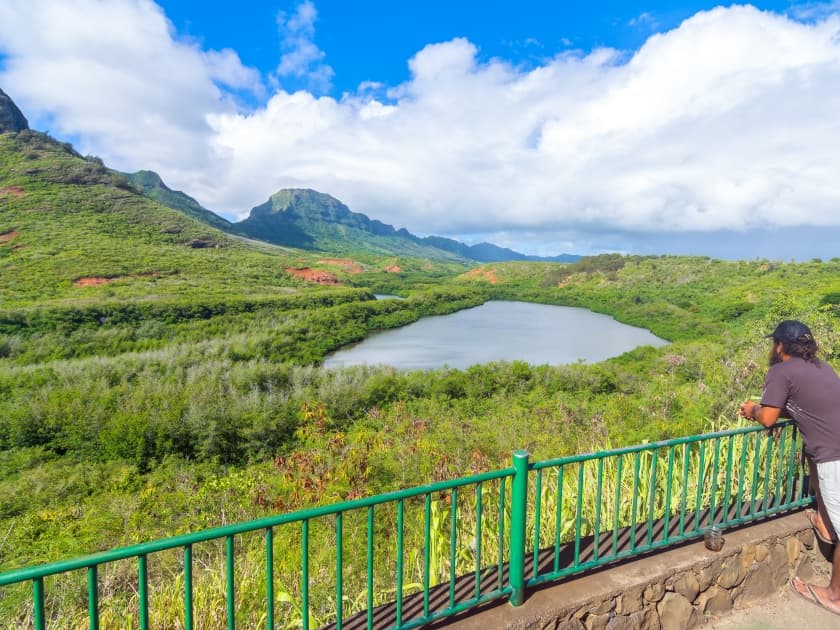
Kauai invasive pest meeting to focus on biosecurity, resilience
Kauai’s August pest meeting comes as coconut rhinoceros beetles and Rapid Ōhia Death already threaten niu, ōhia and banana islandwide.
Kauai’s biosecurity alarm is already sounding in the places residents notice every day, from ōhia forests to the palms and banana plantings that shape yards, farms and public landscapes. The University of Hawaii will bring that threat to the front of the agenda at the Invasive Pest Meeting - Kauai 2026, set for Aug. 11 and 12 at Kauai Community College in Līhue, with a $100 fee and registration encouraged because space is limited.
The two-day meeting will center on invasive species work, island resilience and practical response, with invited talks, networking and a keynote from Laura Brewington, co-director of NOAA’s Pacific Research on Island Solutions for Adaptation. UH’s calendar says the program will focus on how to fight coconut rhinoceros beetles, Rapid Ōhia Death and other invasive pests, a reminder that Kauai’s most visible landscape plants are also part of its first line of defense.

Rapid Ōhia Death has already been documented on Hawaii, Kauai, Maui and Oahu, and University of Hawaii researchers say both fungal pathogens tied to the disease have been confirmed on Hawaii Island and Kauai. That matters far beyond the forest edge. Ōhia is a keystone tree in native habitats, and its loss would weaken the ecological fabric of the island’s uplands, watersheds and native plant communities.
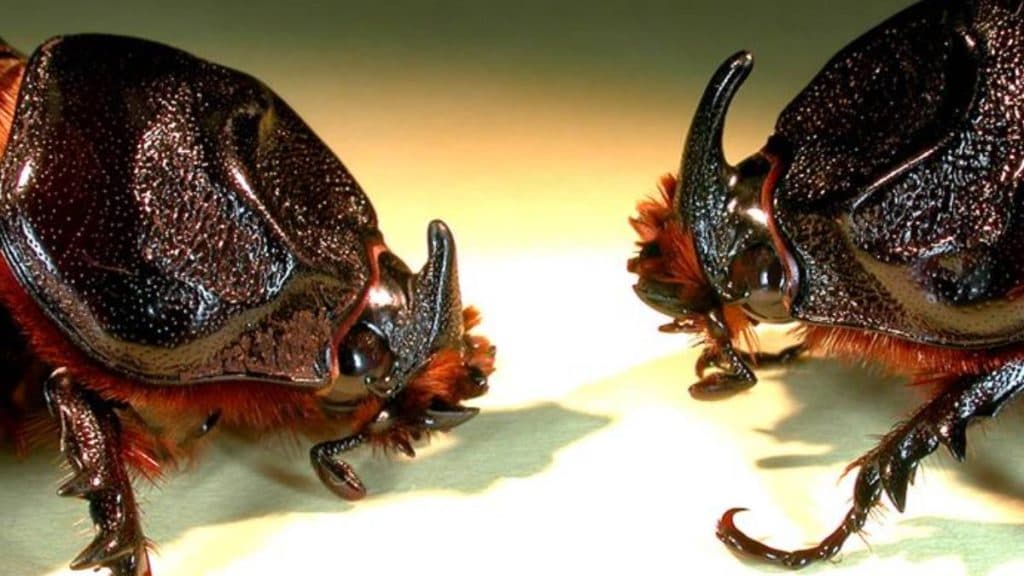
The coconut rhinoceros beetle threat is just as immediate. Kauai’s first beetle was detected on May 31, 2023, when a live adult female turned up in a port-monitoring trap near Līhue Airport. The Kauai Invasive Species Committee says that find was the first on the island and triggered rapid-response work that has since become part of the county’s ongoing biosecurity fight. Hawaii Invasive Species Council materials now say CRB has established populations on Kauai and Oahu, and state guidance lists niu, loulu, hala, banana and other plants among its targets.
The scale of the problem is no longer theoretical. In 2025, the Hawaii Department of Agriculture reported CRB response work in Kona that included fumigation and removal of 144 tons of potential breeding material. State quarantine rules already restrict interisland movement of CRB host material, underscoring how quickly a local detection can turn into a costly containment effort.
For Kauai residents, the practical takeaway is clear: learn the signs, keep host material from moving, and use the island’s invasive-species network to flag suspicious damage early. The August meeting will give landowners, community groups and residents a chance to hear directly from the people managing that fight before the next beetle or pathogen gets a foothold.
This article was produced by Prism’s automated news system from verified source data, official records, and press releases, then run through automated quality and moderation checks before publishing. The system is built and supervised by the people who set the standards it runs under. Read our full AI policy.
Did this article answer your question?