KIUC reaches 52.8 percent renewable power, second in Hawaii
Kauai’s electric cooperative says renewable power reached 52.8 percent in 2025, a gain it says could help cushion bills and push the island toward 90 percent by 2030.
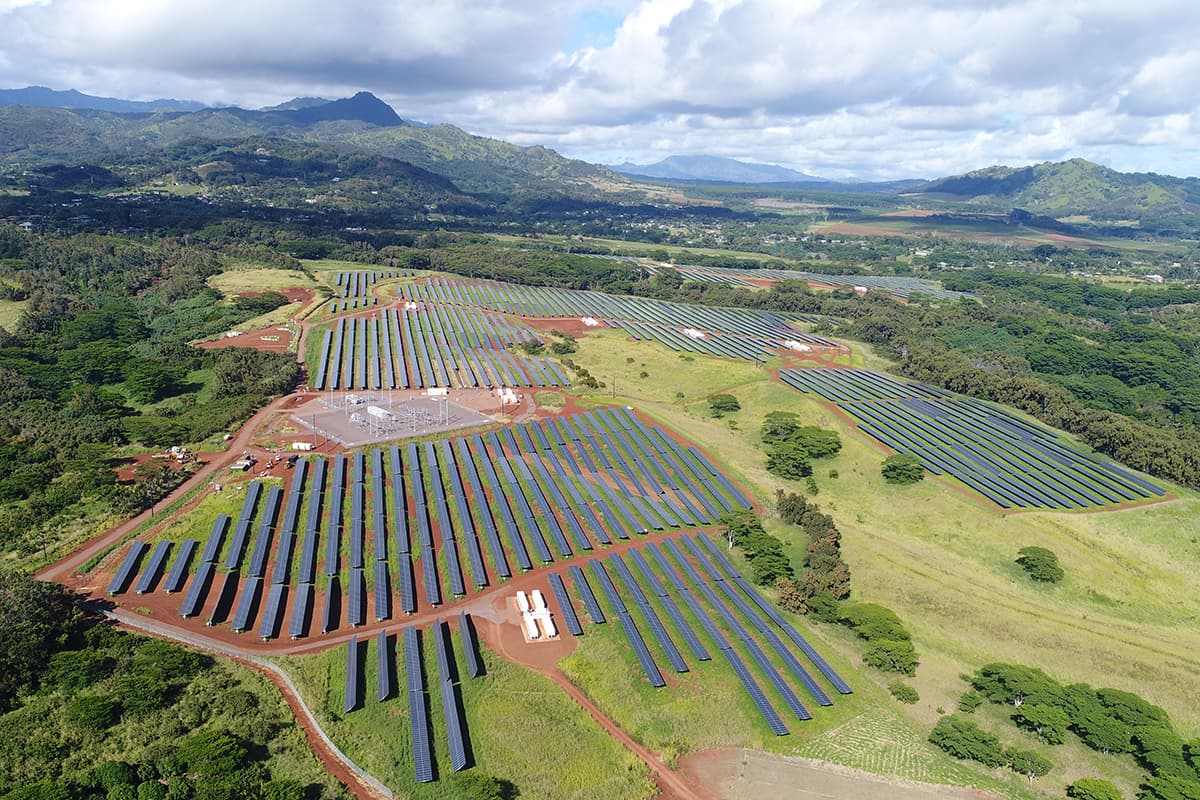
Kauai Island Utility Cooperative said its power mix reached 52.8 percent renewable in 2025, a level that keeps the utility second in Hawaii and well ahead of the state’s 40 percent renewable requirement for 2030. For Kauai households and businesses, the number matters less as a green milestone than as a signal that more of the island’s electricity is coming from fixed-price contracts instead of oil-linked fuel costs.
The cooperative said the 2025 result was reported to the Hawaii Public Utilities Commission in its annual renewable portfolio standards filing, part of PUC Docket No. 2007-0008. KIUC said the 2025 figure was a slight increase from 2024. Its renewable-portfolio page lists 51 percent renewable sources in 2024, while its 2024 annual RPS report puts the year at 50.6 percent under the post-HB2089 definition. Either way, the direction was up, and KIUC said the boost came mainly from stronger performance at the Mahipapa biomass facility.
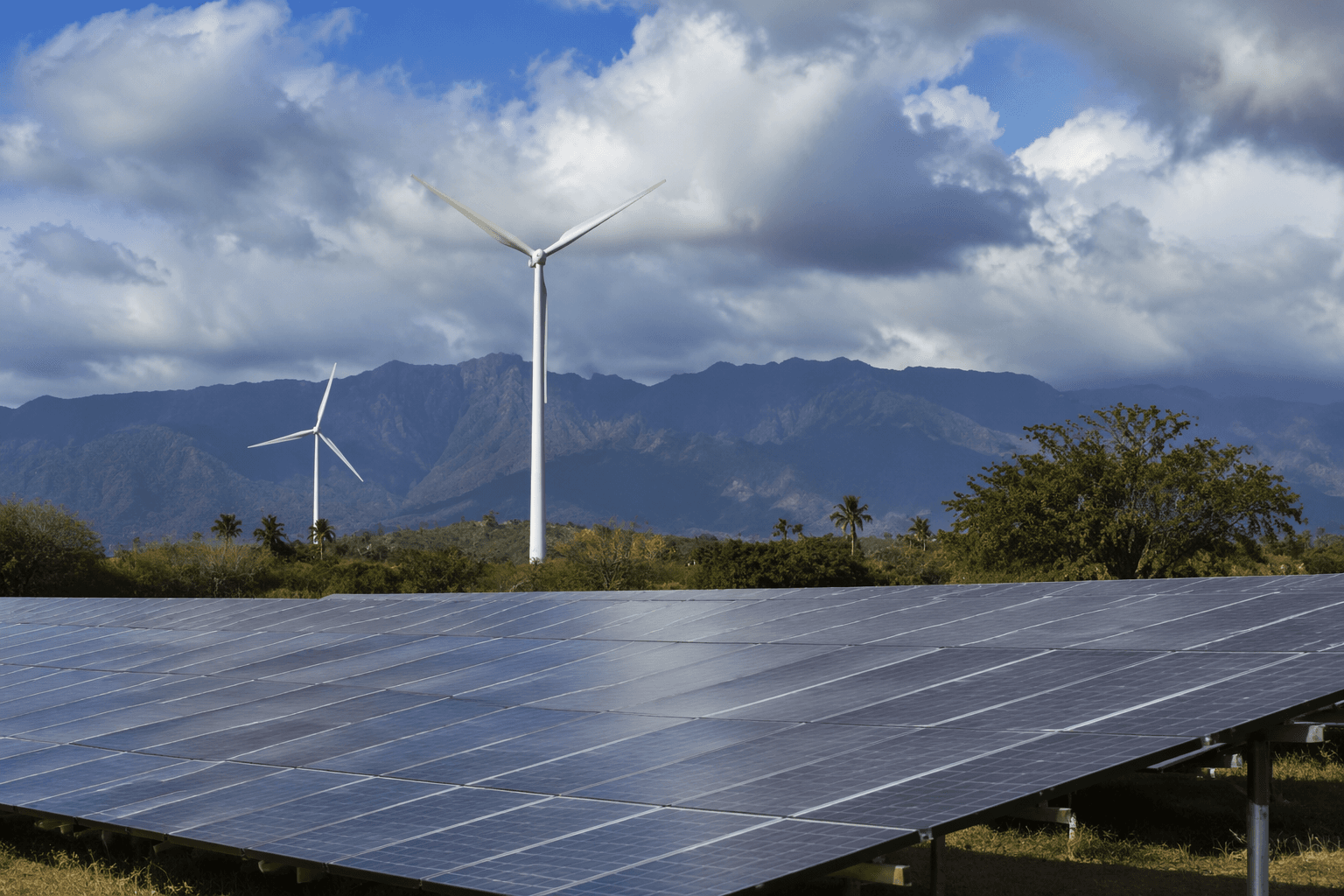
That plant mattered because it had been offline for most of 2024 for repairs, according to KIUC’s annual report. The same report says Mahipapa has historically supplied about 10 percent to 11 percent of KIUC’s annual generation mix, which helps explain why the facility’s return had an outsized effect on the island’s renewable tally. KIUC’s mix also included hydropower and biomass, alongside member rooftop generation and other renewable resources.

The ratepayer case is central to KIUC’s pitch. The cooperative says much of its renewable power is purchased under fixed-price power purchase agreements, which helps insulate members from global oil price swings. KIUC says that strategy has helped it keep the lowest residential rates in the state since May 2022. Chief of Operations Brad Rockwell has gone further, estimating that without the large solar projects now on the system, the average residential bill would have been $41 higher in May.
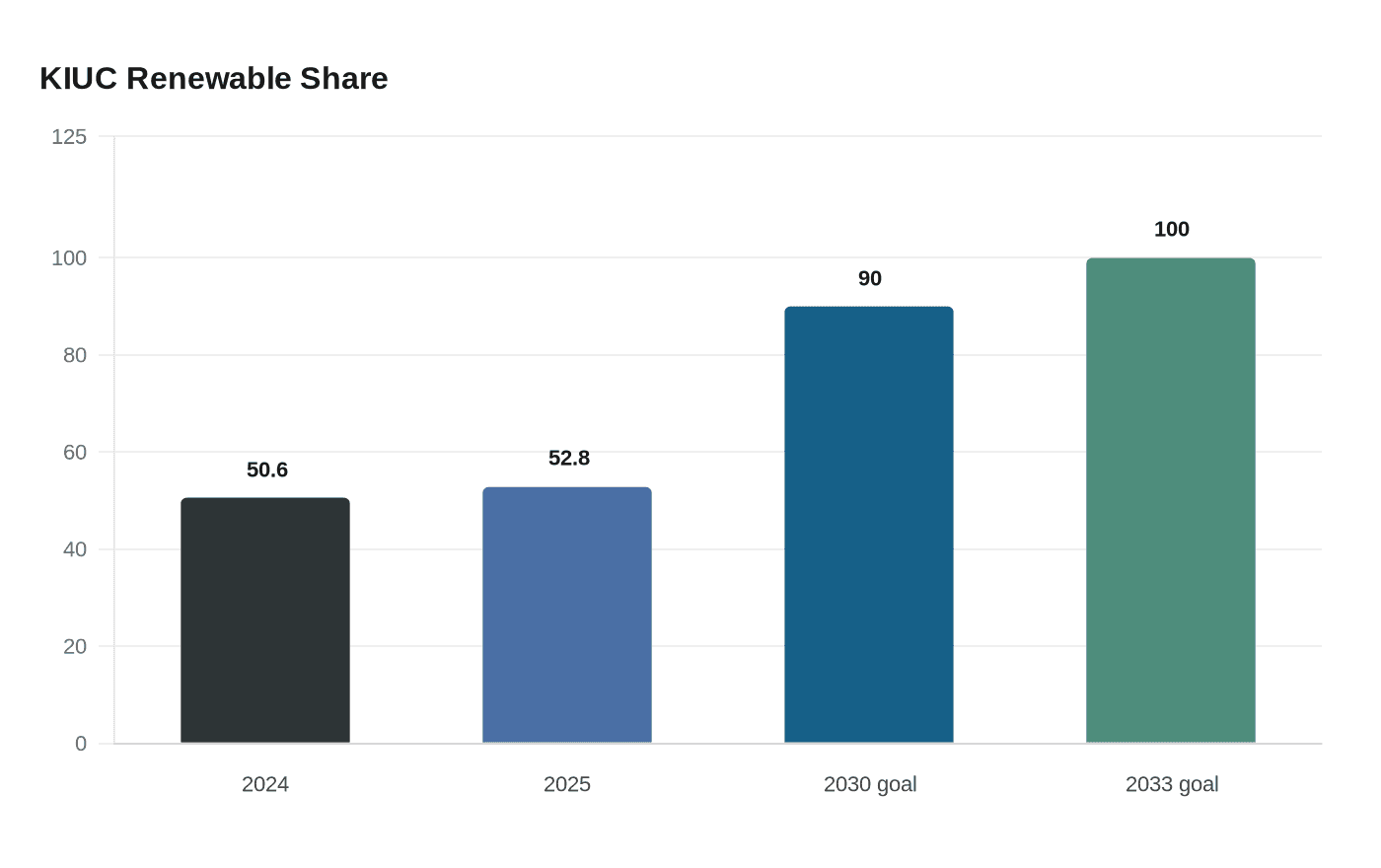
KIUC’s long-term plan points even further ahead. Its board adopted the 2023-2033 Strategic Plan on January 17, 2023, with a goal of 100 percent renewable generation by 2033, 12 years before Hawaii’s 2045 mandate. The utility said two projects now under development, AES Hawaii’s Kaawanui Solar project in Makaweli and the proposed Mānā Solar + Storage project on the Mānā Plain, could push Kauai to nearly 90 percent renewable generation by 2030 if completed as proposed. KIUC says the projects together would power more than 30,000 homes, displace about 5.9 million gallons of diesel a year, and save members at least $13.4 million in the first year and roughly $800 million over 25 years. For Kauai, the test now is whether that cleaner mix also keeps delivering on the harder promise: stable bills, dependable service and less exposure to imported fuel.
This article was produced by Prism’s automated news system from verified source data, official records, and press releases, then run through automated quality and moderation checks before publishing. The system is built and supervised by the people who set the standards it runs under. Read our full AI policy.
Did this article answer your question?