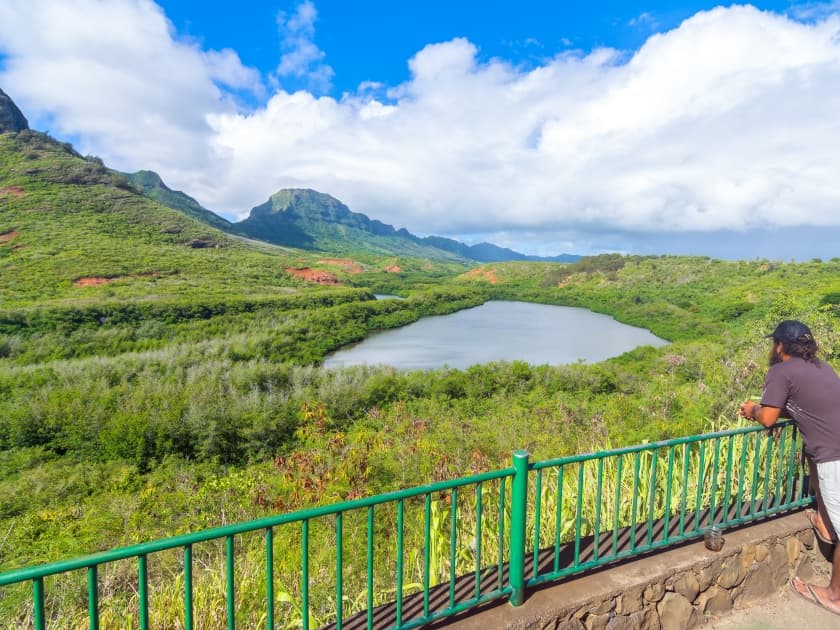
Kīlauea Point refuge draws visitors for wildlife, views and history
At Kīlauea Point, Kauai’s north shore meets seabird habitat and lighthouse history in one crowded bluff, where more than 500,000 annual visitors trace the island’s conservation story.
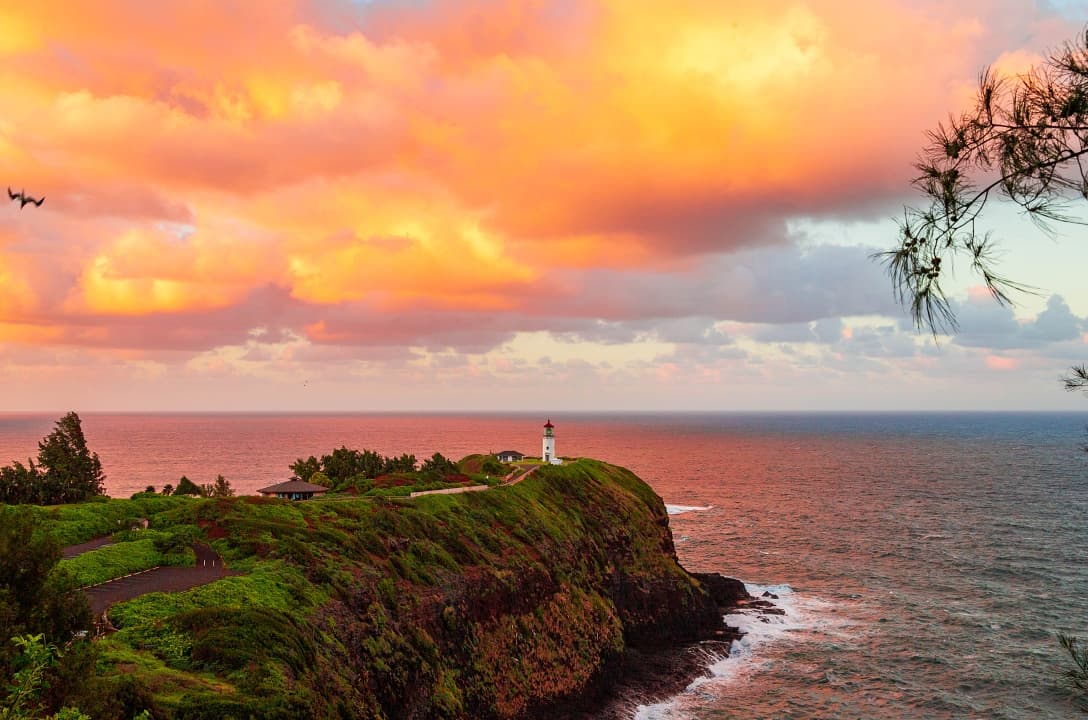
Kīlauea Point is one of those places on Kauai where the view is only part of the story. On a 180-foot ocean bluff at the island’s northernmost point, the refuge draws more than 500,000 visitors a year while protecting seabird colonies, preserving a lighthouse, and anchoring a stretch of coast that still carries deep meaning for Kīlauea families and the wider north shore.
A north-shore landmark with a clear mission
The site became Kīlauea Point National Wildlife Refuge in 1985, when the focus was seabird protection and habitat preservation. Three years later, the refuge expanded to include Crater Hill and Mōkōlea Point, widening the conservation landscape beyond the original headland. That matters in Kauai County because Kīlauea Point is not just a scenic stop on the way to the north shore, but a managed public space where access, wildlife and stewardship are tied together.
The refuge sits within the National Wildlife Refuge System, and its popularity has made it one of Hawaii’s most visited wildlife sites. That volume of traffic is part of the challenge and part of the opportunity: the same location that brings in casual sightseers also gives residents a place to see how shoreline habitat, marine life and cultural memory can be protected in one view.
Why seabirds define the refuge
Kīlauea Point is best known for birds. U.S. Fish and Wildlife Service materials describe it as home to one of the largest colonies of red-footed boobies in the world, and one of the best places in Hawaii to see seabirds that are rarely visible from land. Among the species commonly associated with the refuge are the great frigatebird, Laysan albatross and nēnē, Hawaii’s state bird.
The refuge also carries wider scientific importance. A U.S. Geological Survey study identifies Kīlauea Point as one of the most important breeding sites in the main Hawaiian Islands for red-tailed tropicbirds, red-footed boobies and wedge-tailed shearwaters. That makes the point more than a lookout over open water. It is a breeding landscape whose cliffs and offshore currents support species that depend on the island’s coastal edge.
Conditions change with the season, but the refuge’s offshore views can also bring larger marine life into sight. Visitors may see spinner dolphins, Hawaiian monk seals, green sea turtles and, from roughly October through April, humpback whales moving through the waters beyond the bluff. For many people coming from the town of Kīlauea or farther south, that combination of seabirds, marine mammals and broad Pacific views is the draw that keeps the point crowded.
The lighthouse that shaped the shoreline
The Daniel K. Inouye Kīlauea Point Lighthouse is as central to the site’s identity as the birds. Built in 1913 and commissioned on May 1, 1913, the 52-foot structure stands on a rocky peninsula 180 feet above the Pacific. Its original Fresnel lens, designed by French physicist Augustin-Jean Fresnel, helped turn the point into a navigational beacon for commercial shipping between Asia and Hawaii.

The lighthouse and light station were listed on the National Register of Historic Places in 1979, well before the surrounding refuge was established. That chronology matters: the headland was already recognized as a historic maritime site before it became a formal conservation destination. In practical terms, the lighthouse guided ships safely along Kauai’s rugged north shore for 62 years, linking the island to wider Pacific commerce and to the people who depended on safe passage around a dangerous coastline.
The land itself carries an even older economic history. Kīlauea Point was purchased from the Kīlauea Sugar Plantation Company in 1909 for one dollar, after the U.S. government studied possible lighthouse locations in the early 1900s and consulted steamship captains. The selection made sense because Kauai was the first landfall for ships coming from the west. In other words, the point was chosen not for romance but for function, and its function still shapes how people read the shoreline today.
From community campaign to modern preservation
The lighthouse took on a new public role in 2013, when it was rededicated and renamed for U.S. Sen. Daniel K. Inouye after a community-led campaign and a three-year, $2.5 million restoration. Weekly lighthouse tours began in May 2014, giving visitors a closer look at the structure and its place in Kauai’s north-shore history.
That restoration brought the site into a new era without severing its old one. The lighthouse remains tied to the stories of navigation, plantation-era land use, and the people who have long lived with the point as both neighbor and landmark. For local residents, the building is not just a relic. It is a working symbol of how the island’s infrastructure, labor history and public memory can be preserved together.
The conservation work behind the view
Kīlauea Point is also part of the Nihokū Ecosystem Restoration Project, which extends the refuge’s value beyond the most visible bluff and overlooks. Along with the lighthouse and keepers’ homes, that broader effort points to a layered kind of preservation: native species protection, historic building care and ecosystem restoration all happening on the same headland.
That layered approach is what gives the refuge its staying power in Kauai County. People come for the dramatic cliffs and ocean views, but they leave with a better sense of what the point protects: nesting seabirds, a lighthouse that once kept ships off the rocks, and a north-shore place that still connects residents and visitors to the island’s environmental story. On a coast where land, sea and history are always in conversation, Kīlauea Point remains one of the clearest places to hear them all at once.
This article was produced by Prism’s automated news system from verified source data, official records, and press releases, then run through automated quality and moderation checks before publishing. The system is built and supervised by the people who set the standards it runs under. Read our full AI policy.
Did this article answer your question?