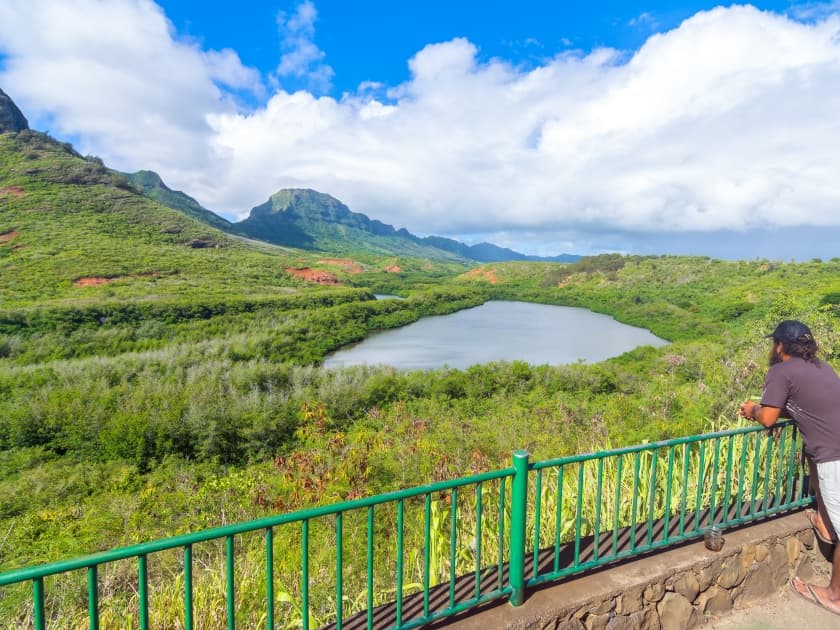
Kōloa Heritage Trail links Kauai history, culture and scenic sites
Kōloa Heritage Trail packs 14 stops into a little over 10 miles, showing how sugar, shoreline geology and Native Hawaiian sites shaped South Shore Kauai.

The 14-stop Kōloa Heritage Trail runs a little over 10 miles through shoreline, townsite and plantation landmarks that can be covered by car, bike or on foot. The route links Poipū and Kōloa into one compact story of lava, land division, ocean access and labor history.
What the trail shows
The trail crosses four ahupuaa, Mahaulepu, Paa, Weliweli and Kōloa, which gives it a clear geographic spine and a culturally grounded way to read the landscape. The route spans natural history, archaeology, culture and history across “five million years,” and the County of Kauai’s heritage-resources planning materials map historic places alongside ahupuaa and moku boundaries, priority public access points and historic cultivation areas.
Sugar is the other organizing force here. Kōloa opened its first sugar mill in 1835, the first successful large-scale sugar manufacturing enterprise in the Hawaiian Islands. The sugar boom helped turn Hawaii from a whaling-centered economy into one that drew roughly 350,000 immigrants from around the world to plantation work.
A practical one-day route
If you only have one day, begin at the shoreline and work inland. Spouting Horn Park is the easiest opening stop because it shows how surf, lava tubes and coastal erosion shaped the South Shore, then Poipū Beach Park adds the living shoreline piece before the trail shifts toward the town core and plantation-era Kōloa.
A practical route moves in this order: Spouting Horn Park, Poipū Beach Park, Prince Kūhiō Birthplace & Park, Hanakaape Bay and Kōloa Landing, the Sugar Monument, Kihahouna Heiau, Pāū A Laka, better known as Moir Gardens, the former Kōloa Hotel and Yamamoto Store, Kōloa Missionary Church, and then Keoneloa Bay if you still have time. That sequence keeps the day from zigzagging and lets you move from coastal geology to civic memory to plantation history without backtracking.
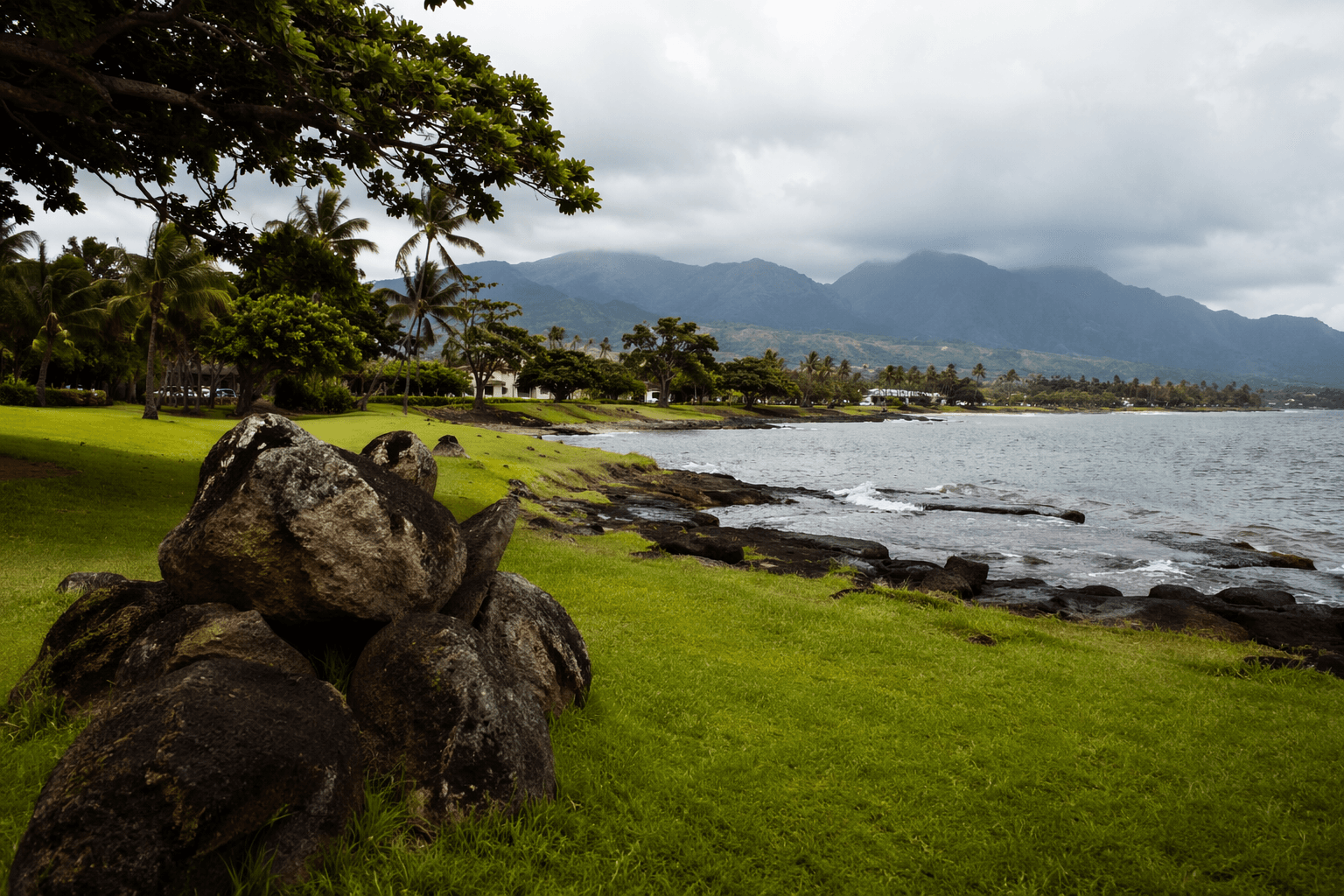
For a resident’s limited day or a visiting family with only a few hours, the most efficient core stops are Spouting Horn Park, Prince Kūhiō Birthplace & Park, Hanakaape Bay and Kōloa Landing, and Kōloa Missionary Church. Add Poipū Beach Park and Keoneloa Bay if you want the strongest shoreline-and-ancient-settlement contrast.
- Park once and walk the denser Kōloa stops if you want less time hunting for spaces.
- Use car access for the longer hop between beach sites and inland Kōloa landmarks.
- Pick up a detailed trail map at the airport or at activity desks around the island.
- Leave extra time at beach parks, where public parking fills faster than at the town landmarks.
The stops that carry the story
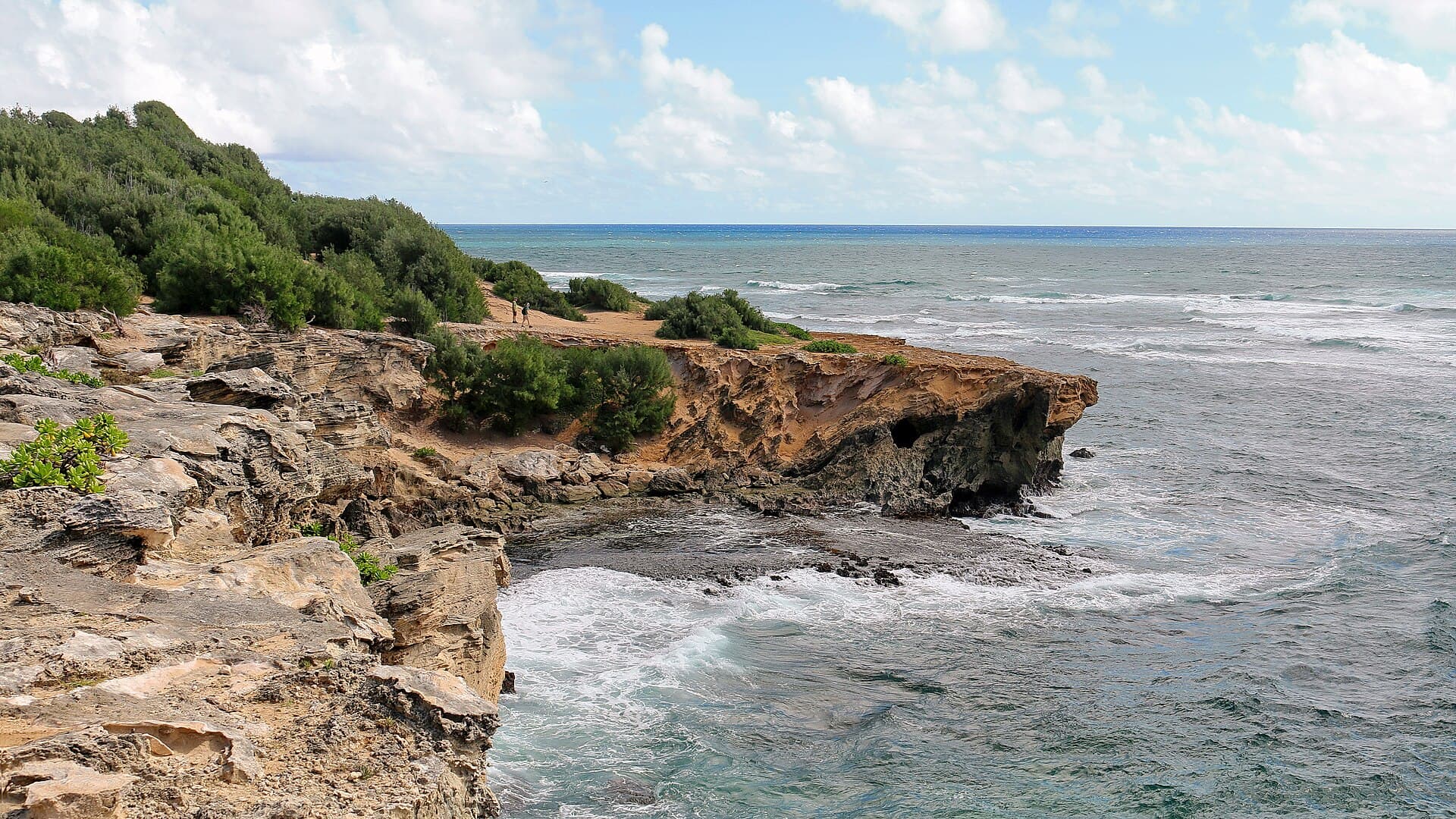
Spouting Horn Park is the route’s most immediate geology lesson. The Poipū surf channels through a lava tube there and turns a natural shoreline process into one of Kauai’s most photographed blowholes.
Poipū Beach Park adds another layer of stewardship. Hawaiian monk seals are critically endangered and found only in Hawaii, so access and protection have to coexist there. Keoneloa Bay pushes the timeline further back, to some of Kauai’s oldest occupied sites dating from 200 to 600 A.D.
Prince Kūhiō Birthplace & Park is the route’s clearest civic landmark. Prince Jonah Kūhiō Kalanianaole was born on March 26, 1871, the son of Princess Kinoiki Kekaulike and High Chief David Kahalepouli Piikoi, and the park was established on October 27, 1924, after McBryde Sugar Co. donated the land to the Royal Order of Kamehameha I, Kauai Chapter. He later served 10 terms as a delegate to the U.S. House of Representatives, and he remains the only member of Congress born into royalty.
Hanakaape Bay and Kōloa Landing point to Kōloa’s place in maritime trade. The site was historically the third-largest whaling port in Hawaii. Nearby, the Sugar Monument marks the site of Hawaii’s first sugar mill, and the former plantation-era Kōloa Hotel and Yamamoto Store now house South Shore Pharmacy and Crazy Shirts.
Kihahouna Heiau and Kōloa Missionary Church bring the cultural frame back into focus. The church was the first Congregational church on Kauai, and the heiau keeps the trail connected to older Hawaiian religious and community life. Pāū A Laka, or Moir Gardens, was founded in the 1930s.
Why the trail still matters
The University of Hawaii at Mānoa Center for Oral History assembled a 1988 project with 33 Kōloa residents, preserving plantation-era memory through local voices, and Kōloa Plantation Days traces its roots to a 1985 sesquicentennial celebration of the 1835 sugar mill opening. The festival remains active enough to trigger County of Kauai traffic advisories and road closures, including a 2025 parade notice.
The Poipū Beach Foundation, which distributes the trail brochure, is a nonprofit, and donations help with trail and monument maintenance.
This article was produced by Prism’s automated news system from verified source data, official records, and press releases, then run through automated quality and moderation checks before publishing. The system is built and supervised by the people who set the standards it runs under. Read our full AI policy.
Did this article answer your question?