Kōloa Plantation Days opens, honoring Kauai’s plantation-era heritage
Kōloa Plantation Days opened across Kōloa and Poipū, revisiting the 1835 sugar plantation that shaped Kauai and still draws families into the South Shore’s past.
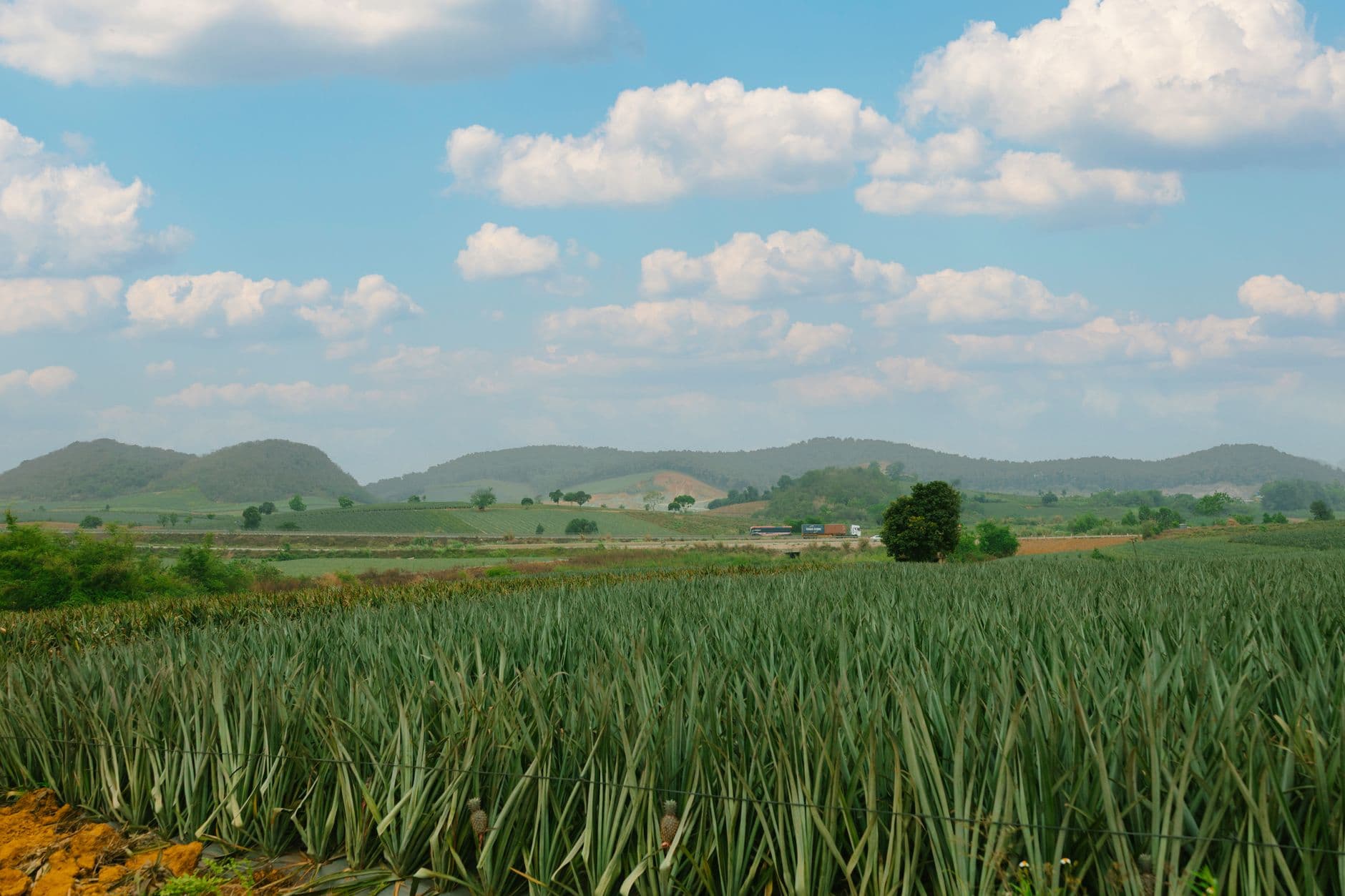
Kōloa Plantation Days opened Friday across Kōloa and Poipū, turning Kauai’s South Shore into a 10-day remembrance of the plantation era that still shapes how many residents understand the town. The 2025 theme, “The Last Harvest,” adds another layer of reflection to a festival that runs through July 26 at multiple locations and has become one of the island’s signature summer gatherings.
The festival’s own history places the Kōloa plantation’s founding in 1835, when the first sugar plantation in the islands took root. Its description says the birth of the sugar industry shaped the lives of everyone in Hawaii forever, and the celebration now honors the many ethnic groups who came to Hawaii to work on sugar plantations, along with the Hawaiians who welcomed them, through music, dance, costumes and food. For many Kauai families, that history is not abstract: it is the story of ancestors who worked the fields, built the mills and settled in the South Shore communities that followed.
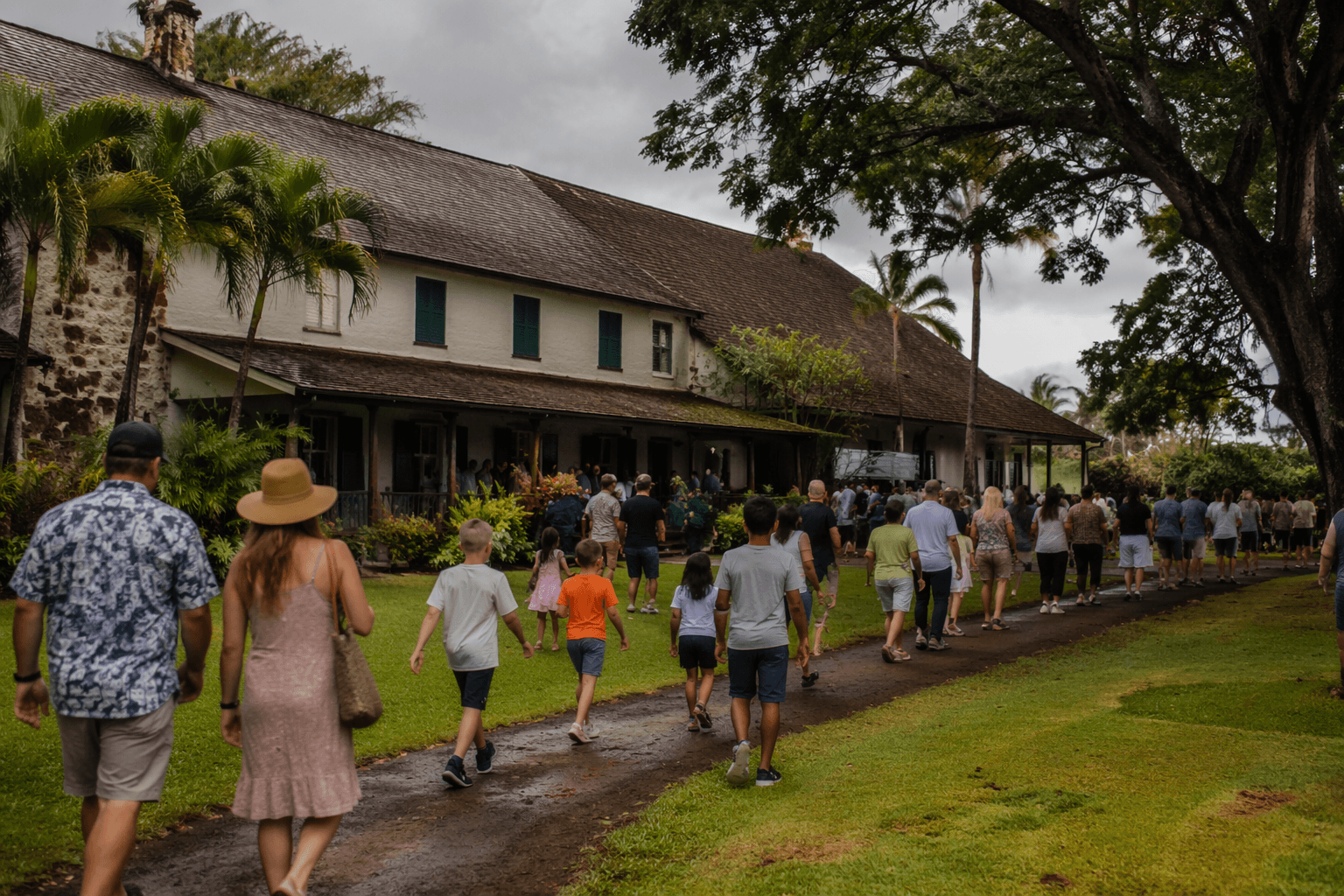
That connection is part of what makes the event more than a festival lineup. Old Kōloa Town notes that Kōloa is home to Hawaii’s first successful sugar mill and points visitors to a 10-mile heritage trail with more than a dozen sites and monuments. Spread across the town and surrounding South Shore, the festival gives those places renewed visibility while drawing residents, families and visitors into the same landscape that carried the sugar economy for generations.
The celebration also has direct effects on daily life in Kōloa. The County of Kauai issued a traffic advisory for the historic Kōloa Plantation Days Parade on July 26, telling motorists to allow extra time because traffic delays were expected and officers would be manning all road closures. With more than 30 events listed in some festival materials, the run-up to the parade brings heavier traffic, fuller parking areas and a busier stretch of July for nearby shops, restaurants and vendors.
This article was produced by Prism’s automated news system from verified source data, official records, and press releases, then run through automated quality and moderation checks before publishing. The system is built and supervised by the people who set the standards it runs under. Read our full AI policy.
Did this article answer your question?