Lāhainā Noon returns, Kauai residents can catch zero-shadow sun
Kauai got its zero-shadow moment around May 26, and another arrives around July 16. Hawaii’s tropical latitude makes Lāhainā Noon an easy science lesson to watch outdoors.
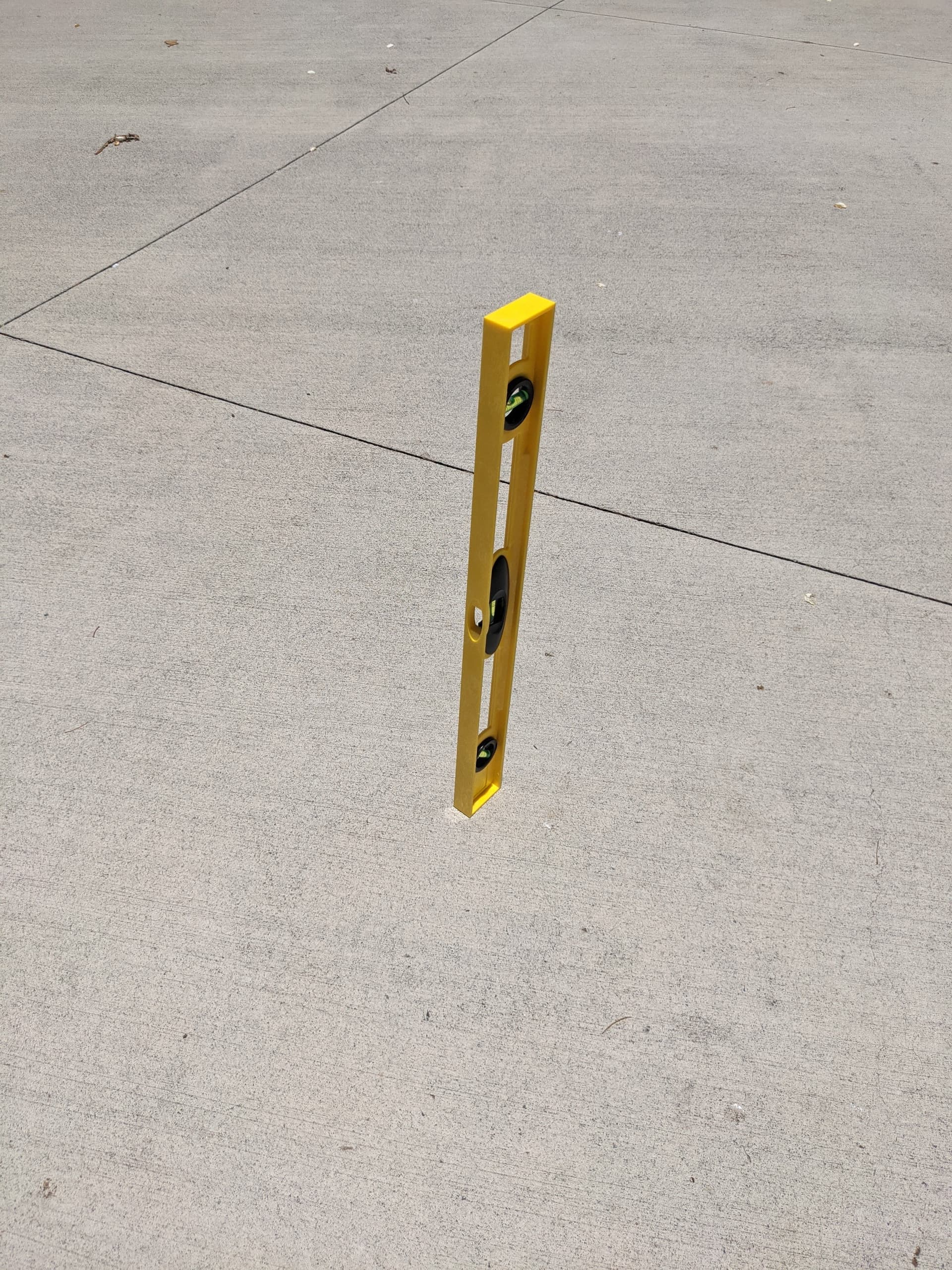
Kauai’s midday sun briefly erased every upright shadow when Lāhainā Noon passed over the islands around May 26, with another chance coming around July 16. At solar noon, a pole, person or sign can lose its shadow entirely because the sun sits directly overhead.
The phenomenon is visible in Hawaii only twice a year, in May and July, and that timing is what makes it such a local curiosity. Hawaii’s tropical latitude allows the sun to reach a point directly overhead during the year, something that does not happen in higher-latitude places. The effect is both simple and striking: step into an open area, hold something upright, and the shadow shrinks to nothing for a few minutes near solar noon.
The name Lāhainā Noon was popularized in a Bishop Museum naming contest in 1990. The older Hawaiian expression for the same moment is kau ka lā i ka lolo, a phrase that roughly means the sun rests on the brains. University of Hawaii materials say the term has become a useful way to connect astronomy with Hawaiian language and place-based learning.
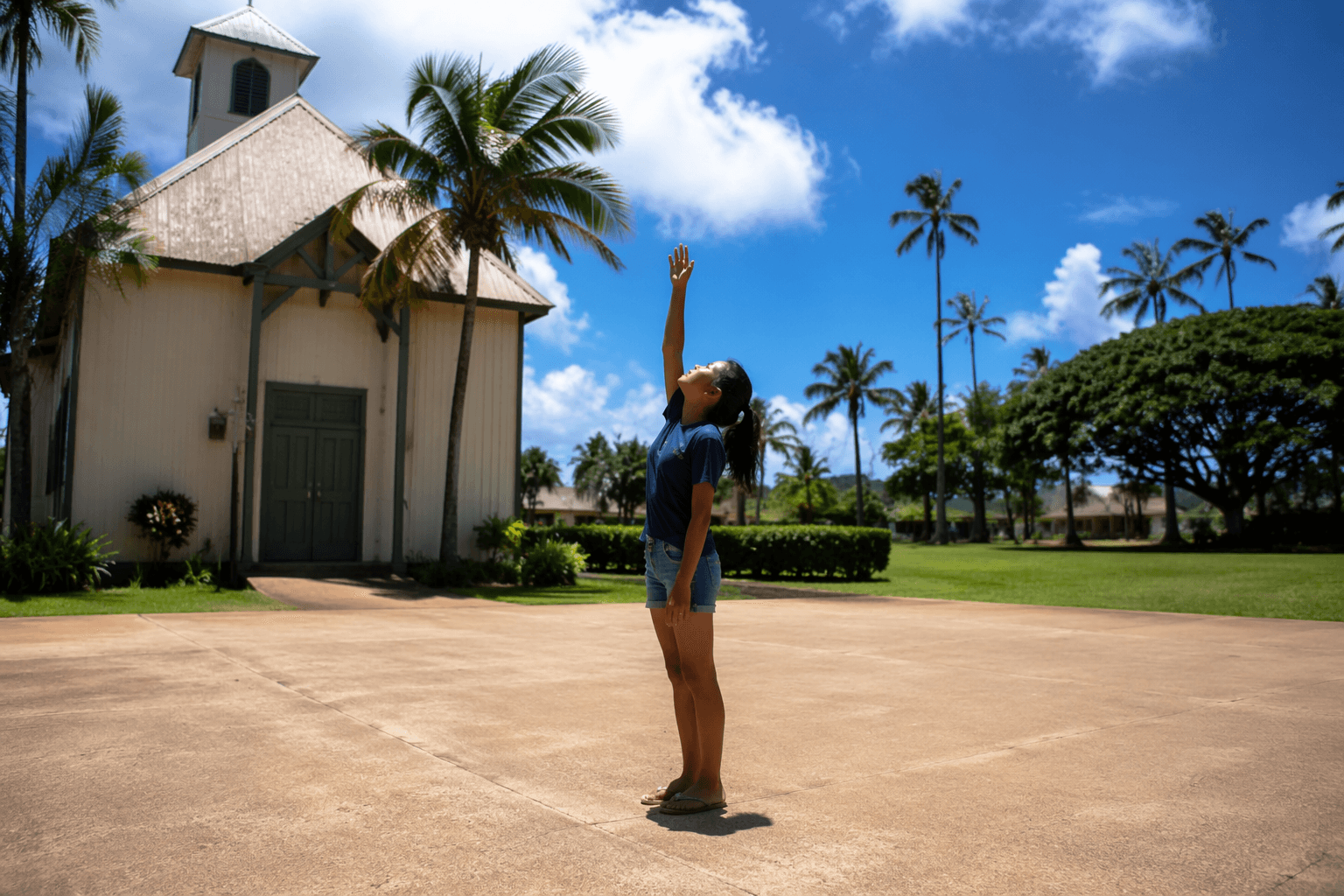
On Kauai, the easiest viewing is any outdoor spot with a clear view of the sky and no roof, tree canopy or other overhead obstruction. Līhue residents can see it the same way people across the island can, by stepping outside near solar noon and watching a vertical object. Kauai Community College’s Summer 2026 session began May 26, matching the first window for the island’s annual zero-shadow lesson.
University of Hawaii outreach materials describe Lāhainā Noon as a public astronomy opportunity that helps explain Earth’s tilt, latitude and the sun’s apparent motion across the sky. The lesson is immediate and repeatable: find the right time, stand in direct sun, and watch Hawaii’s midday light turn a shadow into a science demonstration.
This article was produced by Prism’s automated news system from verified source data, official records, and press releases, then run through automated quality and moderation checks before publishing. The system is built and supervised by the people who set the standards it runs under. Read our full AI policy.
Did this article answer your question?