Meridian Pacific files for Chapter 11 over Kauai condo project
Meridian Pacific’s Chapter 11 filing could freeze Kauanoe o Kōloa, leaving 279 planned condos, pre-sale buyers and Poipū neighbors waiting as court fights intensify.
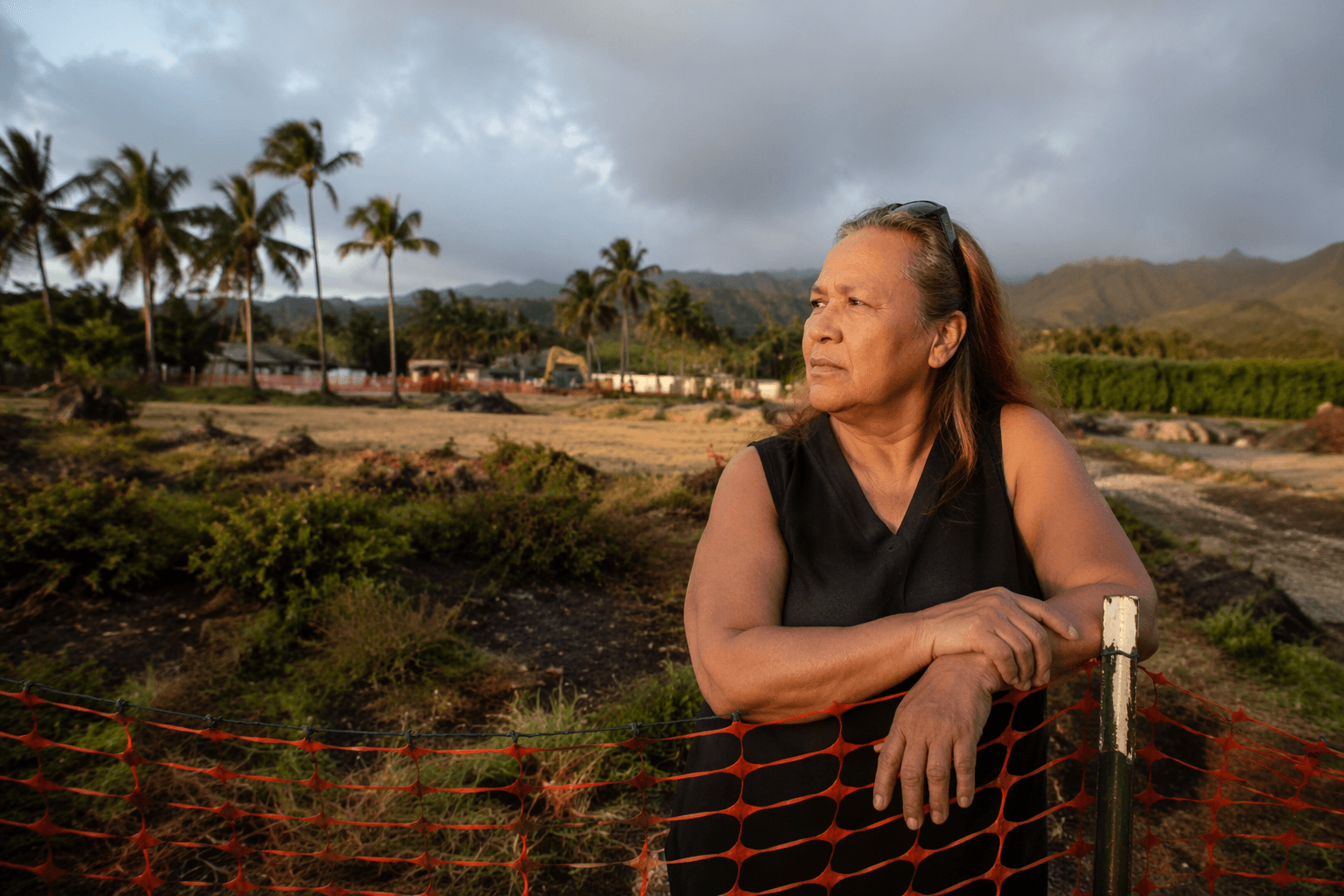
Meridian Pacific’s Chapter 11 filing put Kauanoe o Kōloa, the 279-unit luxury condo project on a 25-acre parcel in Kōloa and Poipū, into federal bankruptcy court just after the developer said it had pre-sold about $100 million worth of units. For buyers, contractors and neighbors on the Kauai South Shore, the filing raises the possibility of delay, redesign or even a sale if the project’s financing cannot be reorganized and the buildout cannot move forward as planned.
The bankruptcy came just days before the Hawaii Supreme Court was set to hear arguments in a separate legal challenge tied to the project, collapsing the financial fight and the courtroom fight into the same moment. That timing matters because the case now reaches beyond one developer’s balance sheet. It could reshape who controls the land, what gets built, and whether the project’s original timeline survives at all. The dispute also puts fresh attention on the financing terms behind the deal and on Meridian Pacific’s claim that the arrangement was unfair.
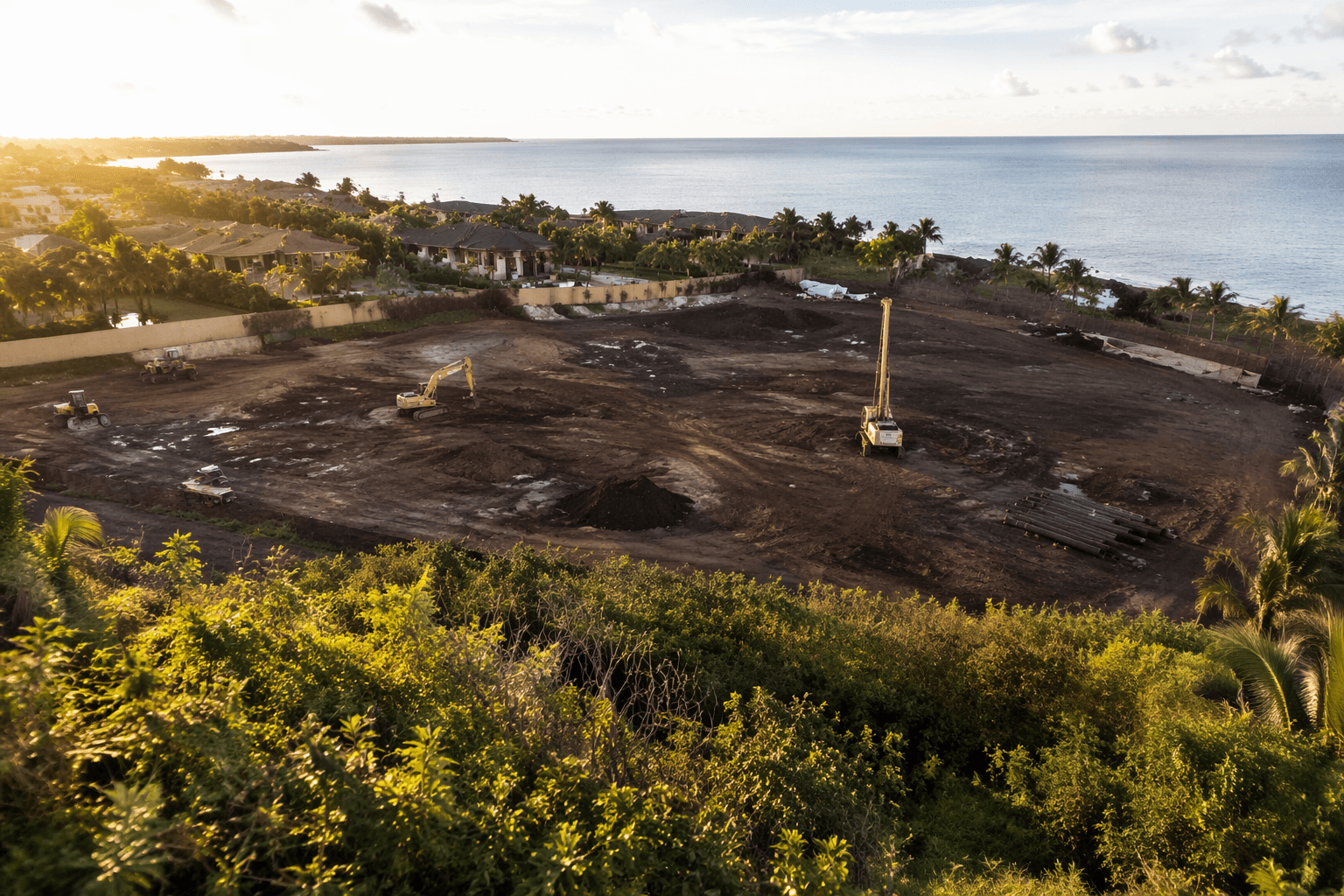
Kauanoe o Kōloa has been contentious since construction work began. In 2022, blasting and grading exposed a hole in the earth, setting off fears that a cave had been uncovered on the site and prompting protests over endangered underground species. The Kauai cave wolf spider and the Kauai cave amphipod, both discovered in the early 1970s and known from only a handful of caves in the Kōloa basin, became central to the fight. The U.S. Fish and Wildlife Service has warned that if a cave is found during construction, work should stop immediately so regulators can assess the risk.
The project has already faced formal resistance. In March 2024, a judge ordered a 10-day work stoppage for the development, which critics said threatened archaeological sites, protected species and burial grounds. Community opposition has also been large and sustained, including about 80 protesters at the site in 2022 and a Save Kōloa petition that gathered more than 48,000 signatures. The clash is not new to this part of the island: the conflict between development and imperiled species at the site reaches back to the 1970s, when more than 450 acres of Kōloa agricultural land were reclassified.
The bankruptcy lands during a period when Kauai’s housing debate is already tense. In February 2026, the Kauai County Planning Commission approved a separate 148-unit Kōloa housing project with conditions that at least 45% of the units go to existing county residents and none become vacation rentals. That project was described as the largest multifamily development in Kōloa and carried price estimates of about $520,000 for one-bedroom units, $650,000 for two-bedrooms and the high-$600,000s for three-bedrooms. Against that backdrop, Meridian Pacific’s collapse shows that on Kauai, the hardest part of development is not always entitlements, but whether the financing can hold long enough to finish the job.
This article was produced by Prism’s automated news system from verified source data, official records, and press releases, then run through automated quality and moderation checks before publishing. The system is built and supervised by the people who set the standards it runs under. Read our full AI policy.
Did this article answer your question?