Strong El Nino could raise Kauai hurricane, drought risks
A strong El Niño could push Central Pacific storms toward the high end of a 5-to-13 cyclone forecast while also raising Kauai drought stress this winter.
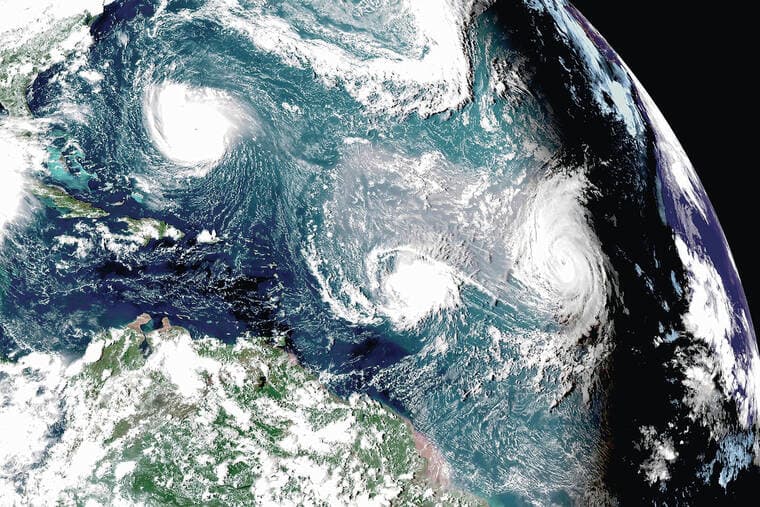
El Niño is already in the Pacific, and for Kauai the biggest issue is not abstract climate science but a few months of sharper swings in storms, rain and drought. NOAA says the pattern is expected to strengthen into the Northern Hemisphere winter of 2026-27, while the National Weather Service in Honolulu says it is likely to last through the 2026 Central Pacific hurricane season.
That matters because Kauai County’s hurricane season runs from June 1 through Nov. 30, exactly when a stronger El Niño can tilt the odds toward more Central Pacific tropical cyclone activity. NOAA’s 2026 outlook puts the basin at a 70% chance of five to 13 tropical cyclones this season, and meteorologist Derek Wroe said conditions could push activity toward the upper end of that range. NOAA also says strong El Niño conditions are typically tied to dramatically elevated activity in the central Pacific.

The timing is especially important for island preparedness. NOAA’s climate outlook says El Niño historically favors above-normal precipitation for Hawaii in the boreal summer and early autumn, which can mean heavier rain, faster runoff and more pressure on roads and drainage systems. That is the same kind of disruption Kauai saw in July 2025, when Kūhiō Highway near the Hanalei Bridge was closed because of flooding.

County officials have already moved to prepare. The Kauai Emergency Management Agency released an updated list of potential refuge areas on May 27 for residents and visitors, and KEMA Administrator Elton Ushio has said people need to know refuge options ahead of time and decide whether they will shelter in place or evacuate before a storm arrives. The county’s 2026 Multi-Hazard Mitigation and Resilience Plan also tracks tropical cyclones, wildfire, inland flood, coastal flood and erosion, drought and heat, a reminder that one season can bring both wet and dry emergencies.
The dry side of El Niño is just as serious. The State of Hawaii’s drought program says El Niño events are closely linked to drought in Hawaii, with about a 70% chance of drought during the wet season that follows an El Niño event. That can strain reservoirs, farms and fire readiness, especially if a strong El Niño arrives between November and January, when NOAA puts the chance of very strong conditions at 63%.

The county has seen what that combination can mean. NOAA’s Hawaii disaster summaries point to the August 2023 Maui wildfire, the deadliest wildfire in the United States in more than a century, and to a Category 4 hurricane that caused severe damage to Kauai. For residents, the practical response now is simple: check roofs, clear drainage, review evacuation and refuge plans, and treat wildfire readiness and hurricane prep as the same season’s work.
This article was produced by Prism’s automated news system from verified source data, official records, and press releases, then run through automated quality and moderation checks before publishing. The system is built and supervised by the people who set the standards it runs under. Read our full AI policy.
Did this article answer your question?