Travel-related dengue case confirmed on Kauai, state total rises to five
A traveler brought dengue home to Kaua‘i, lifting Hawai‘i’s 2026 total to five. Health officials warned rainwater around homes can fuel mosquito breeding.
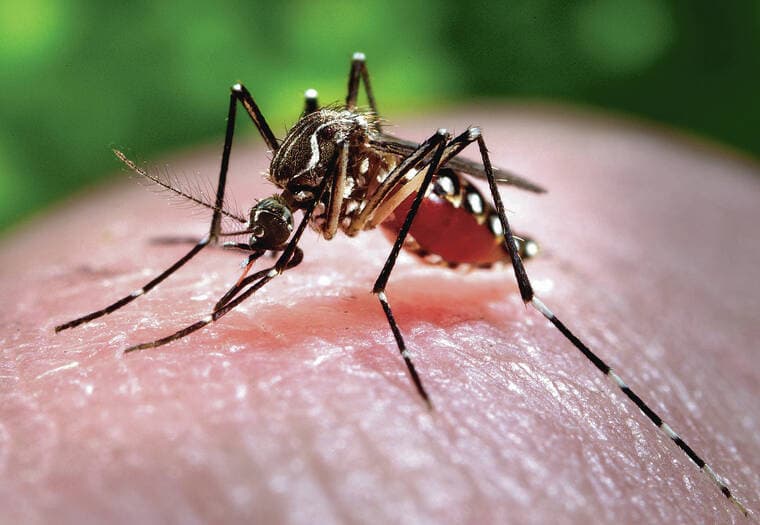
Hawai‘i health officials confirmed another travel-related dengue case on Kaua‘i, and said the state’s 2026 total had climbed to five. The case was tied to someone who had recently returned from international travel to an area where dengue was circulating, but officials said they had not identified any link to prior infections in Hawai‘i and expected the risk of local transmission to remain low.
Even so, the timing mattered. Recent storms and wet cleanup conditions can leave standing water in buckets, rain barrels, plant saucers, cups, gutters and other containers around homes, giving mosquitoes places to breed. The Hawai‘i Department of Health sent Vector Control Branch teams into the affected area to inspect the site, carry out mosquito-control measures and distribute outreach materials.
The department has repeatedly stressed that Hawai‘i’s resident mosquito species can transmit dengue, even though they do not naturally carry the virus. That is why imported cases still matter: a mosquito must bite an infected person first before it can spread dengue to someone else. State health officials also say mosquito control is a year-round task in Hawai‘i because of the islands’ tropical climate and constant visitor traffic.
Dengue is not endemic in Hawai‘i, but Aedes mosquitoes capable of carrying it are present across the state. The Centers for Disease Control and Prevention says limited local spread of dengue has been reported in Hawaii, along with Florida, Texas, Arizona and California. Hawai‘i health officials also note that the last reported dengue outbreak on Hawai‘i Island was in 2015 and 2016, a reminder that widespread local transmission has been rare even as the virus continues to arrive through travel.

Residents who traveled to a dengue-endemic area were told to watch for symptoms for two weeks after returning. Those symptoms can include fever, nausea, vomiting, rash and body aches. Health officials also advise travelers to take precautions against mosquito bites for three weeks after travel, since infected travelers can become the source of local spread if mosquitoes bite them during that period.
The latest Kaua‘i case follows 14 travel-related dengue cases statewide in 2025, including one on Maui and 13 on Oʻahu. Kaua‘i also recorded a travel-related dengue case in July 2024, underscoring that the county has not been spared even when the state’s overall dengue burden has been concentrated elsewhere.
This article was produced by Prism’s automated news system from verified source data, official records, and press releases, then run through automated quality and moderation checks before publishing. The system is built and supervised by the people who set the standards it runs under. Read our full AI policy.
Did this article answer your question?