Wailua River State Park highlights Kauai's sacred history and scenic beauty
Wailua River State Park is Kauai’s scenic centerpiece, but its heiau, refuge sites, and royal landmarks show why the valley is sacred ground.
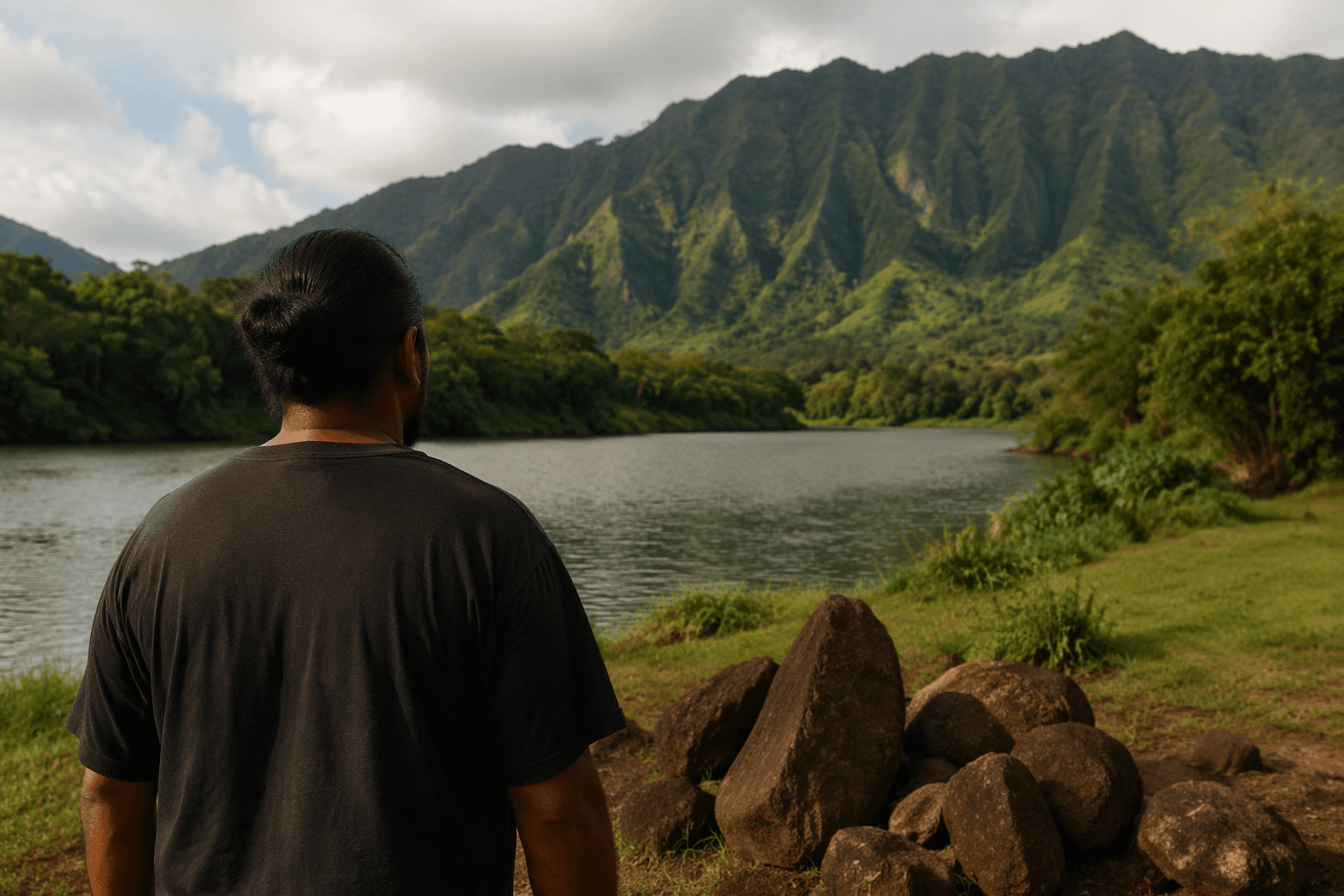
Wailua River State Park is where Kauai’s most photographed river valley also becomes one of its most serious cultural landscapes. Parking and entrance fees are now part of the visit, but the larger story is that this corridor was built into the state park system to protect scenery, archaeology, and living Hawaiian memory in the same place.
A valley that is both park and place of power
The park spans more than 1,000 acres and about 4 miles of navigable river, making it one of the largest in the Hawaii state park system. DLNR says it was established in 1954 because the Wailua River area combined wilderness character with historical, archaeological, geological, and other scientific value, and a 2010 travel feature described the landscape as 1,126 acres kept green by water flowing from Mount Waialeale. The park page also frames the visitor experience plainly: a riverboat cruise to Fern Grotto, views of Opaekaa Falls and Wailua Falls, and broad overlooks of the Wailua River Valley.
For anyone planning a stop, the practical details matter. The park page lists daily hours from 7 a.m. to 7:45 p.m., and DLNR says parking and entrance fees are required, with credit card payment only and free entry for Hawaii residents with a valid Hawaii ID or driver’s license. The current management notice also shows that the fee system reaches multiple parts of the valley, including the marina, Kaumualii, Ōpaekaa Falls, and Wailua Falls areas.
Why the heiau complex changes the meaning of the valley
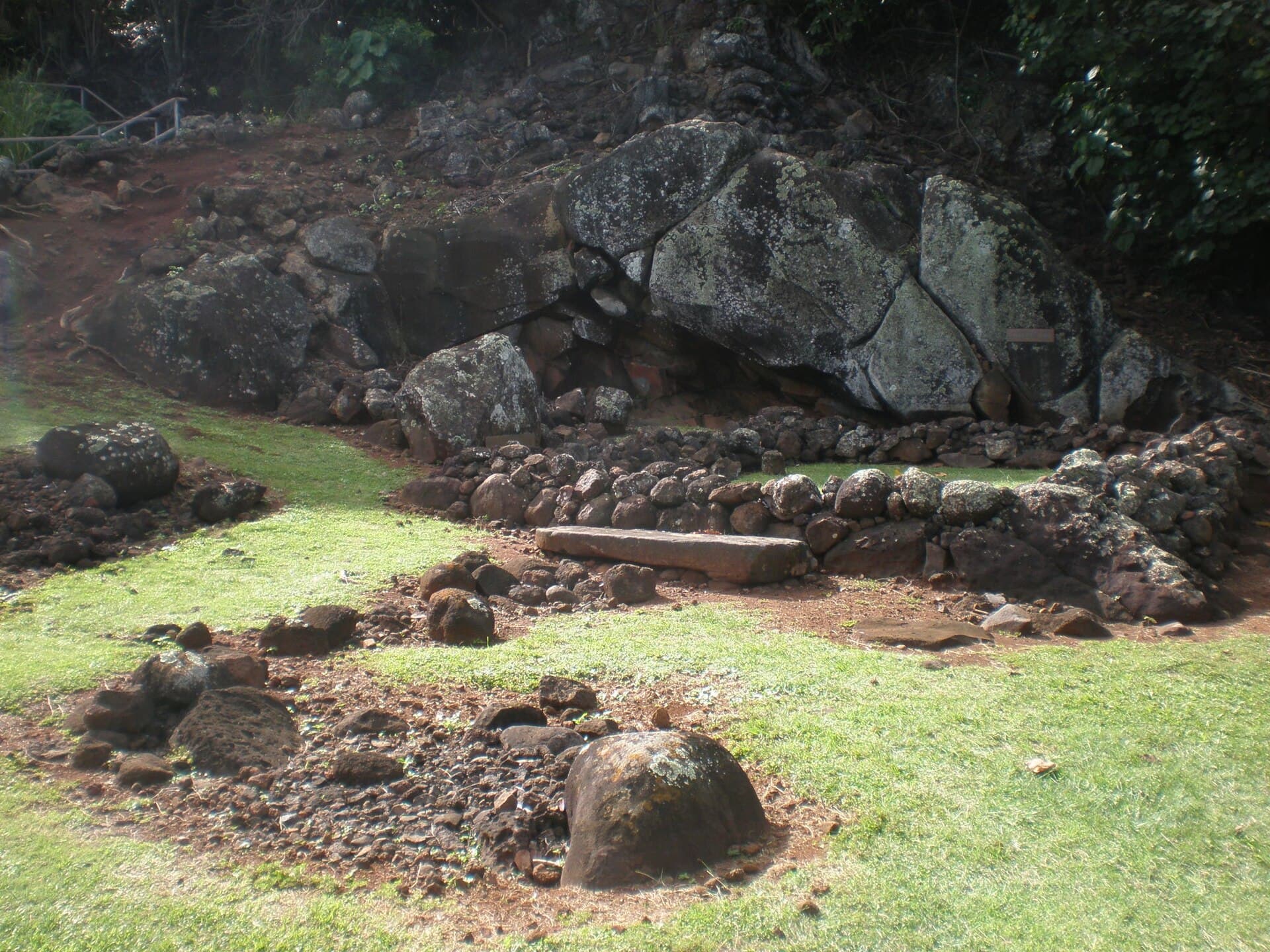
The Wailua Complex of Heiaus is a National Historic Landmark, and the National Park Service identifies it as once the center of chiefly power on Kauai. It was one of two primary political, social, and religious centers for Kauai’s alii ai moku, and the complex includes Hikinaakala, Holoholokū, Malae, and Poliahu heiau, along with Hauola puuhonua, ancient petroglyphs, a royal birthstone, and a bellstone. The National Register places the complex at the mouth of the Wailua River on Kauai’s east coast and lists periods of significance stretching back to 1499-1000 AD, 1000-500 AD, and 499-0 AD.
Those details are what keep Wailua from collapsing into a simple scenic stop. Hikinaakala, near the mouth of the Wailua River, was a sacred place to greet the rising sun with chants and prayers. Hauola functioned as a place of refuge for people who had violated kapu or needed protection during war, and Holoholokū is thought to be Kauai’s oldest heiau. DLNR’s brochures add another key preservation fact: the Wailua Complex was designated a National Historic Landmark in 1962, and the heiau sites were included in the state park that same year to promote preservation and public awareness of these cultural resources.
What to look for on the ground
The most useful way to move through the valley is to read it as a sequence of connected sites, not as isolated overlooks. Hikinaakala sits near Lydgate Beach Park and the river mouth, where the sacred geography meets the ocean. Nearby, the petroglyphs are partly submerged and often hidden by sand and debris, which means the absence of a visible carving does not mean the site has lost its meaning; it means the shoreline is still active and fragile.
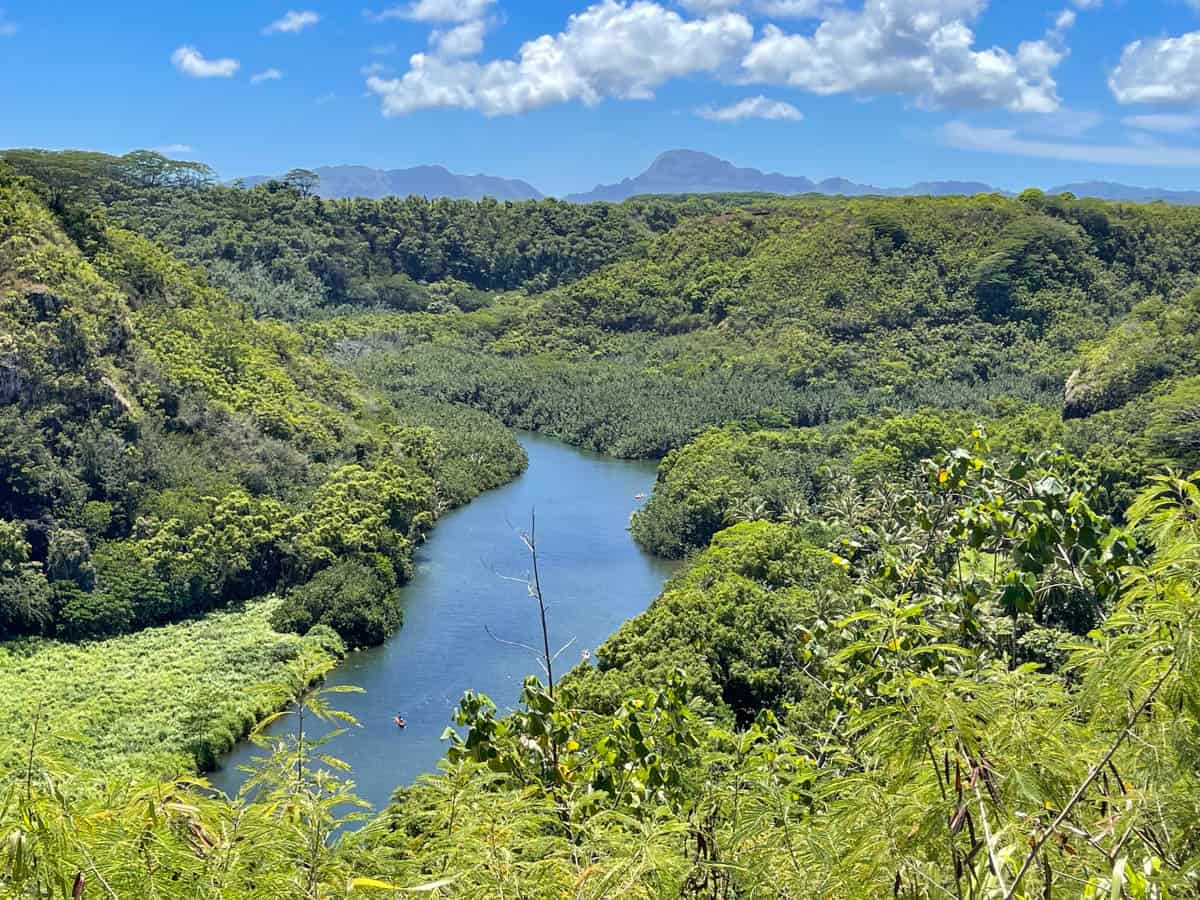
That same logic applies to the broader park experience. Fern Grotto and the waterfalls draw the crowds, but the valley’s significance does not come from scenery alone. The ahupuaa was once tied to chiefly authority, ritual practice, refuge, and burial and birth traditions, so moving through Wailua with care means slowing down, staying on designated paths, and treating the cultural sites as places of practice and memory rather than backdrops for a quick photo.
Before you go, plan for access and weather
Wailua’s visitor management is no longer the same as a casual roadside pullout. DLNR’s park notices urge visitors to monitor weather reports and ocean conditions before arriving, a reminder that the valley sits between river, shoreline, and steep inland runoff. The park page also notes that the new fee system is in effect, so bringing a card and checking the day’s access rules is part of a smooth visit, especially if you are trying to reach the marina, the falls viewpoints, or the park’s river-based attractions.
If you are coming for a short visit, the most responsible version of that trip is simple: arrive with time to observe, not just consume. The valley’s beauty is immediate, but its meaning is layered into the heiau, the refuge sites, the river mouth, and the park’s own history of preservation. A respectful visit makes room for all of it.
The policy fight around Wailua is still active
Wailua is not only a heritage landscape, it is also a live land-use issue. In 2023, Kauai lawmakers pressed the state to reconsider privately leased parcels in Wailua for public use and access, including land tied to the dilapidated Coco Palms Resort. In 2024, the Board of Land and Natural Resources voted 4-2 to offer a small state-owned parcel near the old Coco Palms Resort for public auction despite concerns over cultural preservation and climate change. That tension is part of the valley’s present, not just its past.
Seen together, the park, the heiau complex, and the surrounding land debates explain why Wailua River State Park remains one of Kauai’s clearest public lessons in stewardship. It is scenic, but it is also a place where governance, access, and sacred history still meet at the water’s edge.
This article was produced by Prism’s automated news system from verified source data, official records, and press releases, then run through automated quality and moderation checks before publishing. The system is built and supervised by the people who set the standards it runs under. Read our full AI policy.
Did this article answer your question?