Advocates seek oversight of Canadian mine expansion over Kootenai River risk
Advocates pressed for tighter oversight of a Canadian coal mine expansion as selenium risks hung over the Kootenai River, already impaired in Idaho.
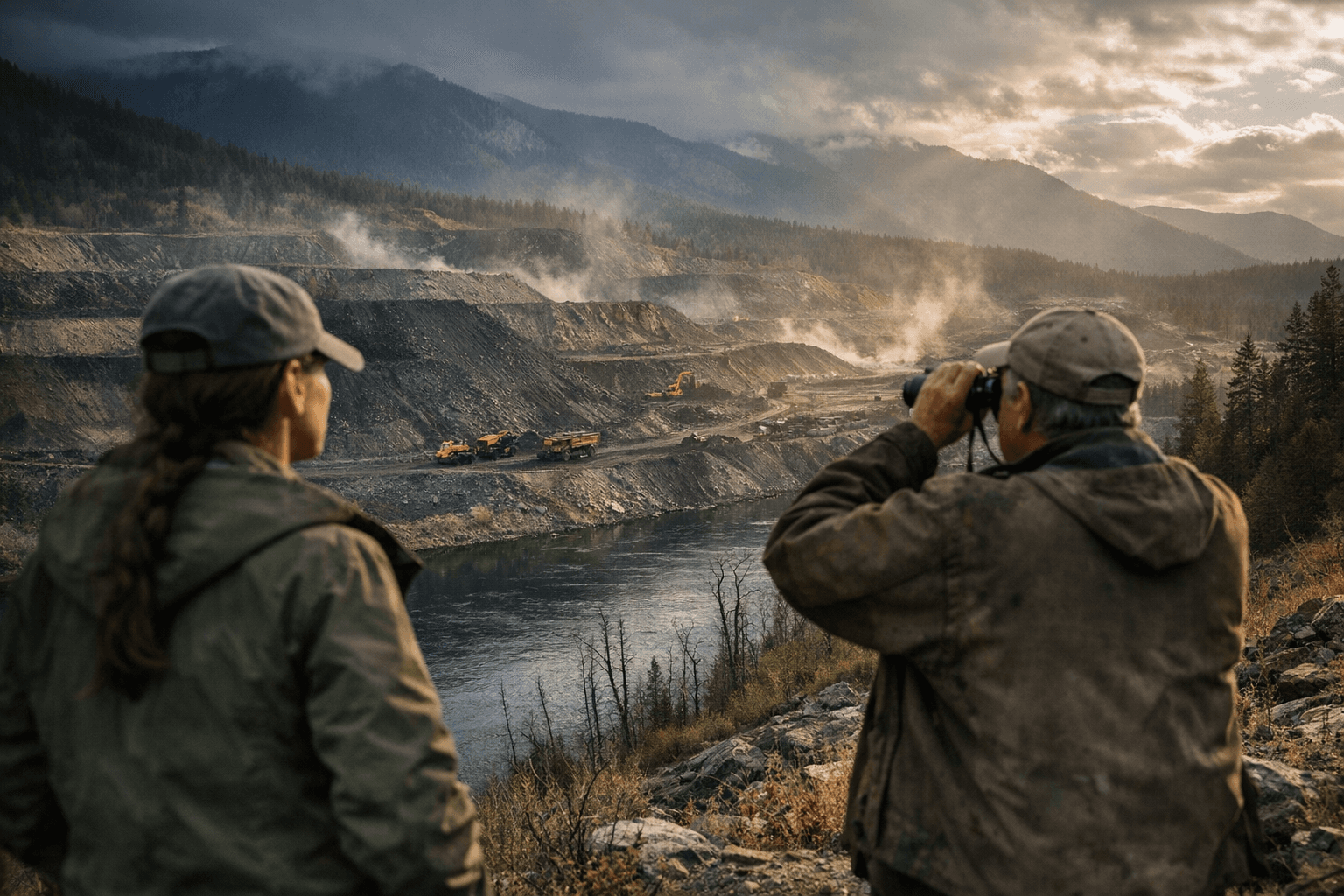
A push for closer oversight of a proposed Canadian coal mine expansion landed squarely in Kootenai County because the Kootenai River does not stop at the border. Environmental advocates said any added pollution upstream in British Columbia could ripple into Bonners Ferry, Lake Koocanusa and the businesses that depend on clean water, from outfitters and anglers to employers tied to the watershed.
The concern centers on selenium, a contaminant the U.S. Environmental Protection Agency said has been linked to upstream mining in British Columbia and can harm fish and aquatic life. In Idaho, the Kootenai River has already been formally designated as impaired for selenium under the Clean Water Act, a status that gives the dispute direct local weight for water managers, landowners and anyone whose property, recreation or tourism income depends on the river’s long-term health.
EPA’s Kootenai River study drew on water chemistry and fish tissue samples collected from immediately below Libby Dam to the Canadian border. The agency said the results underscored the need for continued monitoring. That is the accountability gap advocates are pressing on now: if a mine expansion in Canada increases the load on a shared river system, who is responsible for watching the downstream effects in Idaho and Montana?
The issue is already moving through a binational process. The International Joint Commission received a March 8, 2024 request from the United States and Canada, working with the Ktunaxa Nation, to appoint an independent study board for the Elk-Kootenai/y watershed. The commission approved the board’s directive on September 26, 2024, after the watershed governance body held its first virtual meeting on August 20, 2024. That body later toured an Elk Valley mine site and water treatment facilities near Fernie, British Columbia, on June 23, 2025.
Scientific and legal records have long pointed to the Elk Valley coalfield as the source of concern. U.S. Geological Survey materials identify five open-pit coal mines in British Columbia’s Elk Valley as a potential selenium source and note that selenium can bioaccumulate in egg-laying fish and birds, causing sublethal effects and death. The stakes are not theoretical in North Idaho. The Idaho Conservation League says the Kootenai Tribe of Idaho has spent more than $500 million over decades restoring fish populations, including white sturgeon and burbot, and argues that more selenium could undercut that recovery work.
The cross-border dispute is also costly on the Canadian side. Teck Coal Limited was ordered on March 26, 2021, to pay $60 million in fines and court-ordered amounts after pleading guilty to two counts under Canada’s Fisheries Act. Canada’s Environmental Damages Fund has since set aside up to $30 million for Ktunaxa First Nations and the Ktunaxa Nation Council, with additional money for other groups, to restore fish and fish habitat in the Elk Valley. For Kootenai County, the issue is increasingly about who pays, who monitors and how much damage can be prevented before it reaches Idaho’s river economy.
This article was produced by Prism’s automated news system from verified source data, official records, and press releases, then run through automated quality and moderation checks before publishing. The system is built and supervised by the people who set the standards it runs under. Read our full AI policy.
Did this article answer your question?