Coeur d'Alene Council to Vote on County Hazard Mitigation Plan Approval
Cybersecurity and active shooter threats join windstorms and wildfires on Coeur d'Alene's top-five hazard list as the council moves toward a vote tied to federal funding eligibility.
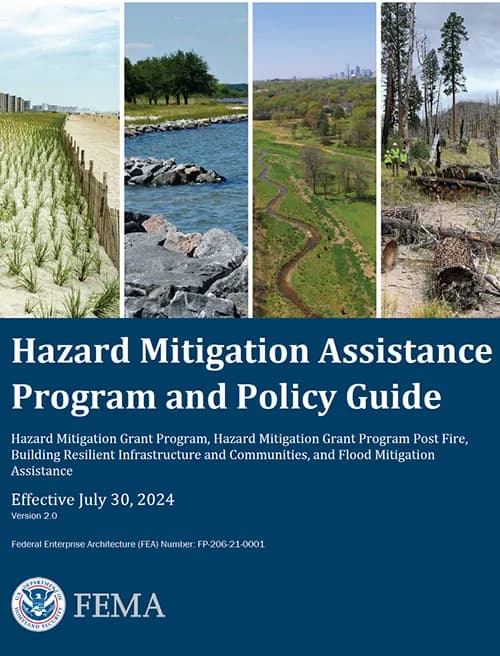
Cybersecurity incidents and active shooter events sit alongside windstorms, winter storms and wildfires as Coeur d'Alene's five most serious hazards, according to the 2026 Kootenai County Multi-Jurisdictional All-Hazard Mitigation Plan that city staff formally recommended for council adoption on April 6.
The recommendation carries a firm deadline: participating jurisdictions must adopt the plan by Aug. 12, 2026, or forfeit eligibility for federal hazard mitigation grant funding. Drafted by the Kootenai County Office of Emergency Management in coordination with the Local Emergency Planning Committee, local municipalities, special purpose districts and a steering committee, the plan covers the period from Feb. 12, 2026, through Feb. 11, 2031. FEMA has already approved it; formal adoption by each jurisdiction is the remaining condition.
The plan's 15 priority mitigation projects span a notably wide range. On the digital side, the plan calls for increased backup storage and security for city IT systems. On the physical side, it recommends generator assessments for city-owned buildings and wildfire fuel reduction on public lands, specifically naming Tubbs Hill and city parks as targets. Treatment of natural areas for root rot and bark beetle disease, both of which elevate wildfire risk, is also listed.
Weather history shapes several recommendations. The plan updates the county's hazard inventory back to 1997 and uses the January 2021 windstorm as a recent benchmark: that storm toppled roughly 166 trees across Coeur d'Alene and triggered wide-scale debris cleanup. To reduce future storm damage, the plan calls for strategic pruning and removal of hazard limbs in large canopy areas, specifically to limit the "wind sail" effect that makes trees more likely to fail under high winds.
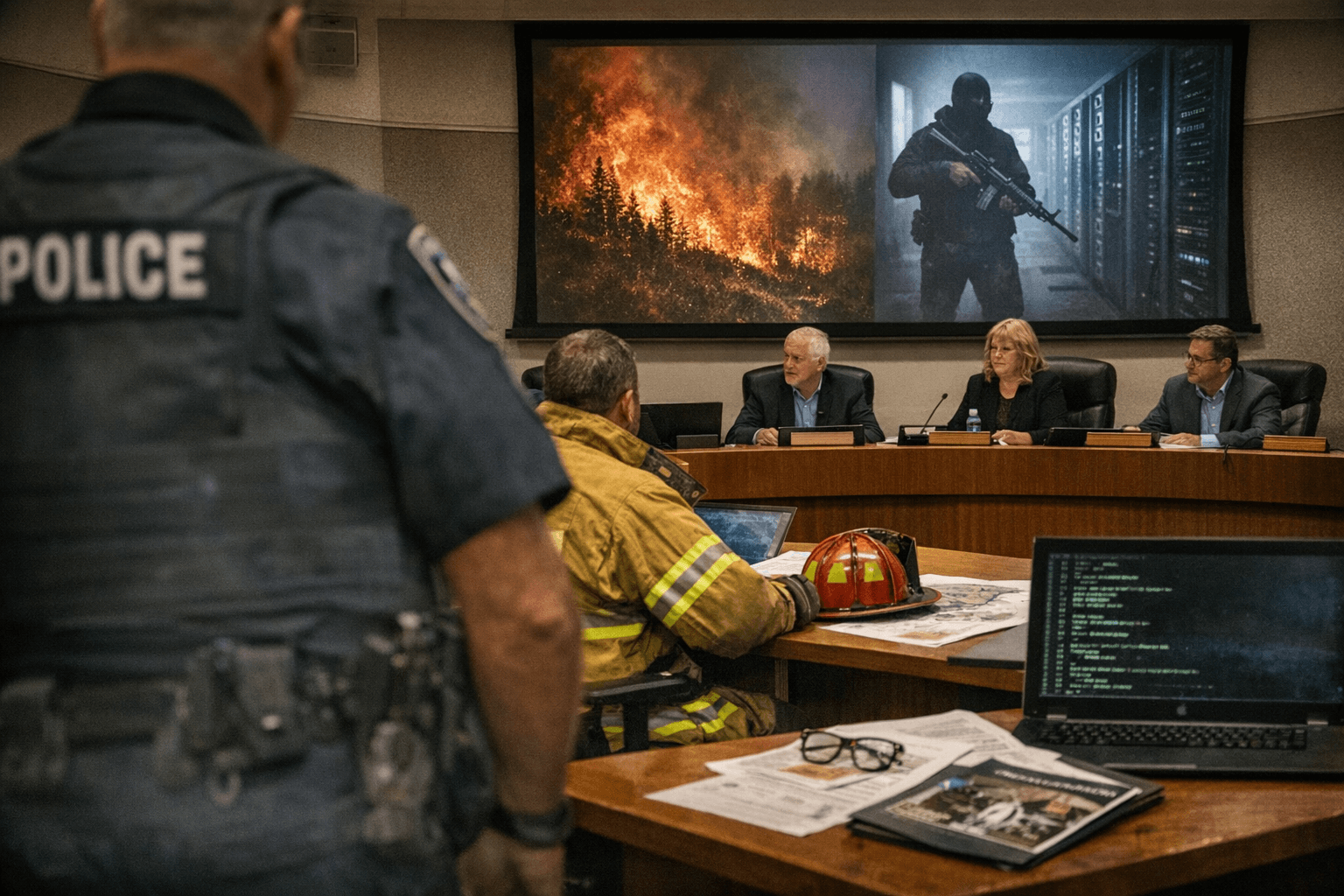
The five-year update cycle is required under FEMA rules, but the plan also serves an operational function. It gives city and county emergency managers a shared prioritization framework and strengthens the city's position when competitive state and federal grants are awarded for infrastructure hardening, vegetation management and community education. Without adoption, those funding opportunities close.
The council was scheduled to take up the vote at its next available meeting following the April 6 staff recommendation.
This article was produced by Prism’s automated news system from verified source data, official records, and press releases, then run through automated quality and moderation checks before publishing. The system is built and supervised by the people who set the standards it runs under. Read our full AI policy.
Did this article answer your question?