Coeur d'Alene weighs repealing 1982 arcade licensing ordinance
Coeur d’Alene moved to scrap a 1982 arcade law it hasn’t used in at least 15 years, clearing out a rule tied to youth safety and penny arcades.
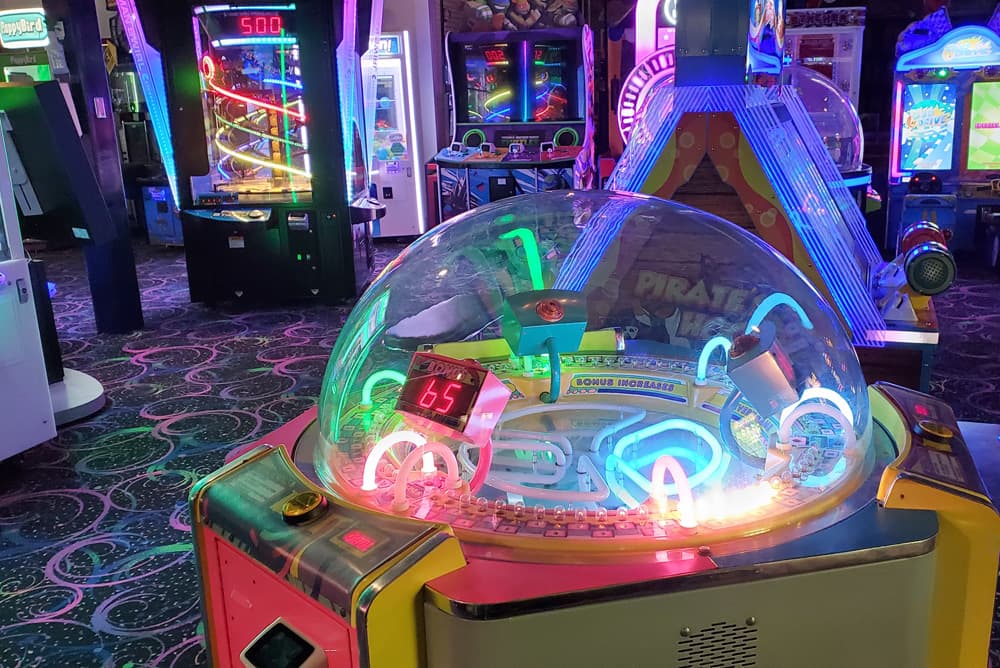
Coeur d’Alene is taking aim at a small but telling piece of city code: a 1982 arcade licensing rule that officials say has not produced a single Arcade License in at least 15 years.
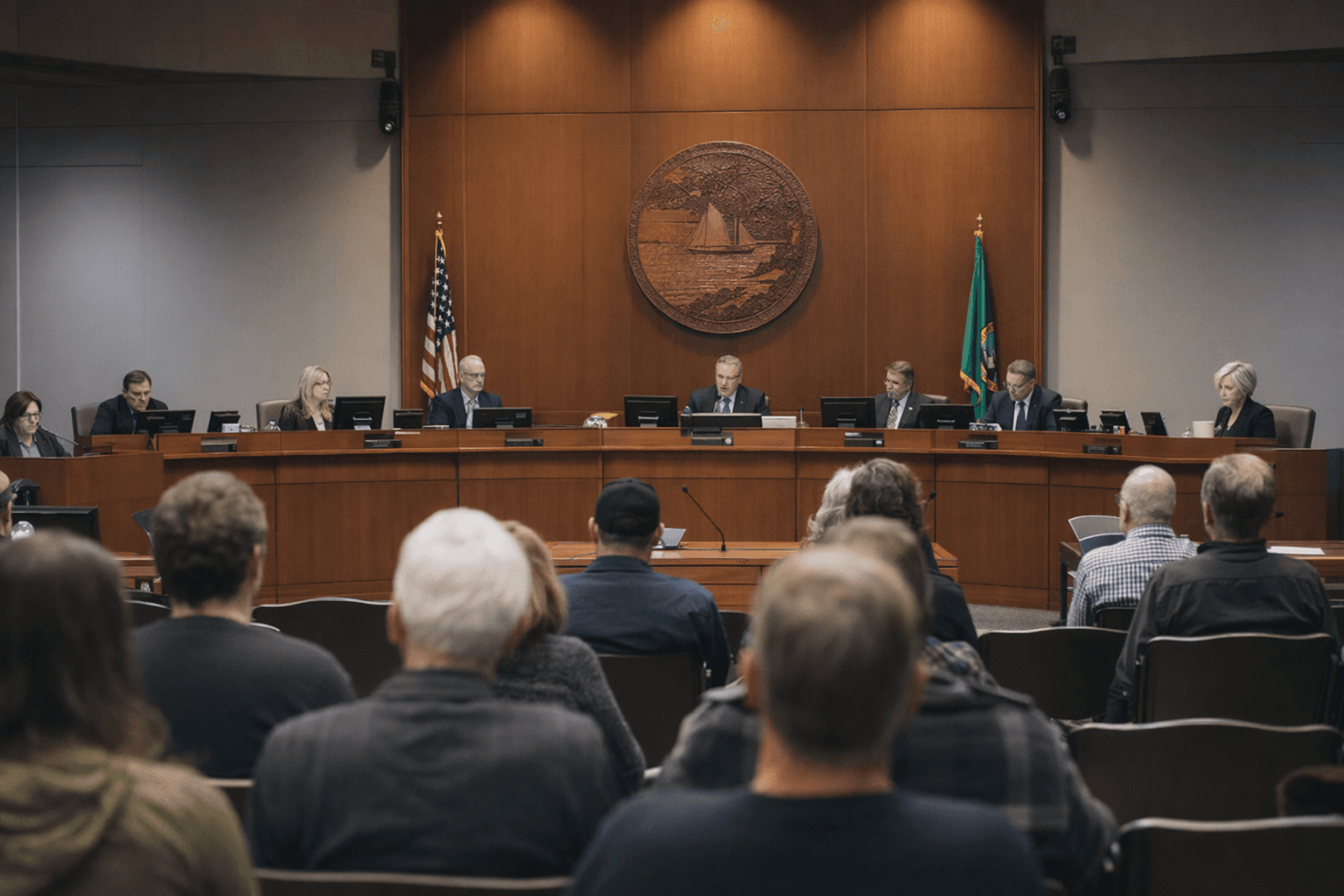
The General Services Committee considered repealing Chapter 5.64 of the Coeur d’Alene Municipal Code, the section covering amusement machines and arcades, in a May 11 meeting at noon in the Library Community Room at 702 Front Avenue. The staff report, prepared by Municipal Services Director Renata McLeod, framed the change as a practical cleanup of a regulation that no longer appears to match how entertainment businesses operate in town.
Under the current code, any place of business in Coeur d’Alene that places, maintains or operates an amusement device must first obtain an amusement arcade license. The chapter also requires anyone seeking to run an amusement arcade to file a written application with the city clerk. The licensing language was amended in 1996, but the underlying ordinance dates to 1982.
According to the staff report, the original purpose of the ordinance was to ensure safe places for youth to play arcade games. In practice, the city says it has not issued an arcade license for at least 15 years, a sign that the rule has become more of a legal relic than an active regulatory tool.
That makes the repeal more than a housekeeping item. For businesses, removing Chapter 5.64 would clarify what the city actually regulates when coin-operated games, entertainment rooms or arcade-style attractions show up in restaurants, bars and family venues. For City Hall, it would eliminate language that no longer seems to serve a day-to-day enforcement purpose while keeping the code better aligned with how downtown and waterfront entertainment space is used now.
The question also reaches beyond one chapter of municipal law. Coeur d’Alene has repeatedly had to balance business activity, tourism and neighborhood expectations in the same public process, and outdated ordinances can shape how welcoming the city feels to small operators looking to add a few games or build out a niche attraction.
The history behind the code reaches back to an earlier era of lakeside amusements. Playland Pier, which operated from 1942 to 1974, included a penny arcade with amusement machines, a shooting gallery and balloon dart games. That memory still lingers around Independence Point and Lake Coeur d’Alene, where the city’s entertainment past now sits alongside a very different commercial landscape.
If the committee advances the repeal, Coeur d’Alene would be signaling that it is willing to retire rules that have outlived their use, even when those rules reflect a long local history.
This article was produced by Prism’s automated news system from verified source data, official records, and press releases, then run through automated quality and moderation checks before publishing. The system is built and supervised by the people who set the standards it runs under. Read our full AI policy.
Did this article answer your question?