Kootenai County courthouse time capsule sparks look at what Coeur d’Alene preserves
A corroded copper box pulled from the courthouse cornerstone is pushing Coeur d’Alene to ask what it saved in 1926 and what should go into a 2026 capsule.
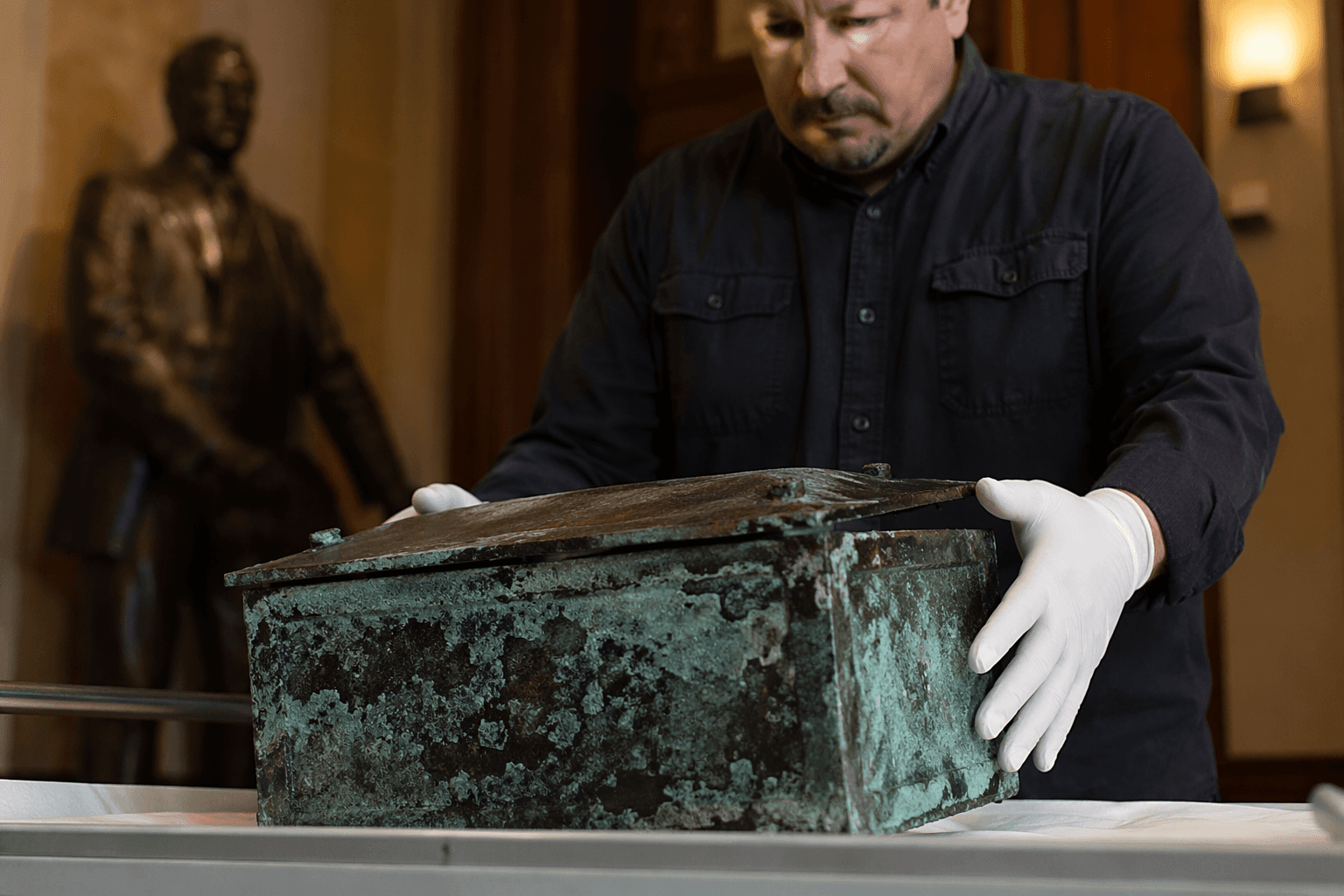
A corroded copper box pulled from the Kootenai County Courthouse cornerstone is doing more than exposing crumbling paper. It is forcing Coeur d’Alene to measure what it kept in 1926, what it left outside the frame, and what should go into the new time capsule the county plans to seal on the courthouse lawn July 3.
What came out of the cornerstone
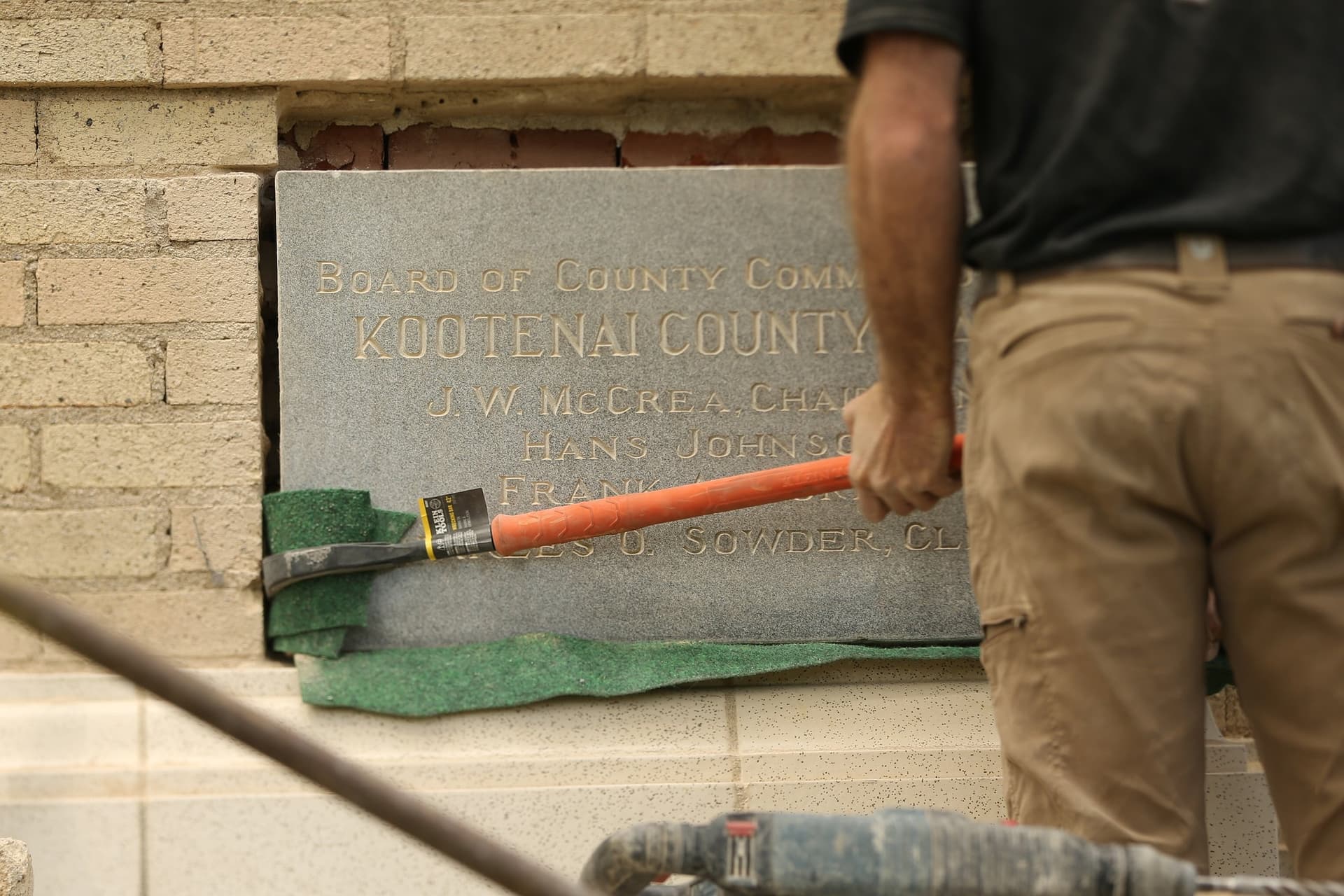
The capsule surfaced on June 3, 2026, after years of rumor and research that finally led preservationists to the courthouse’s outer wall and stone cornerstone. Dobson Chimney and Masonry Services carefully removed layers of brick before lifting out the box, a retrieval that drew onlookers to the lawn outside the old courthouse at 501 Government Way.
Historical newspaper clippings solved two long-running puzzles at once. They identified the cornerstone location and showed that the courthouse dedication took place in April 1926, not December. The old articles also explain why the box became a local legend: they referred to a casket, while the modern phrase time capsule did not exist until 1938, when George Pendray coined it.
Britt Thurman, executive director of the Museum of North Idaho, said the contents would be opened in the least invasive way possible because the copper box was visibly damaged and the papers inside were crumbling.
Why the courthouse matters now
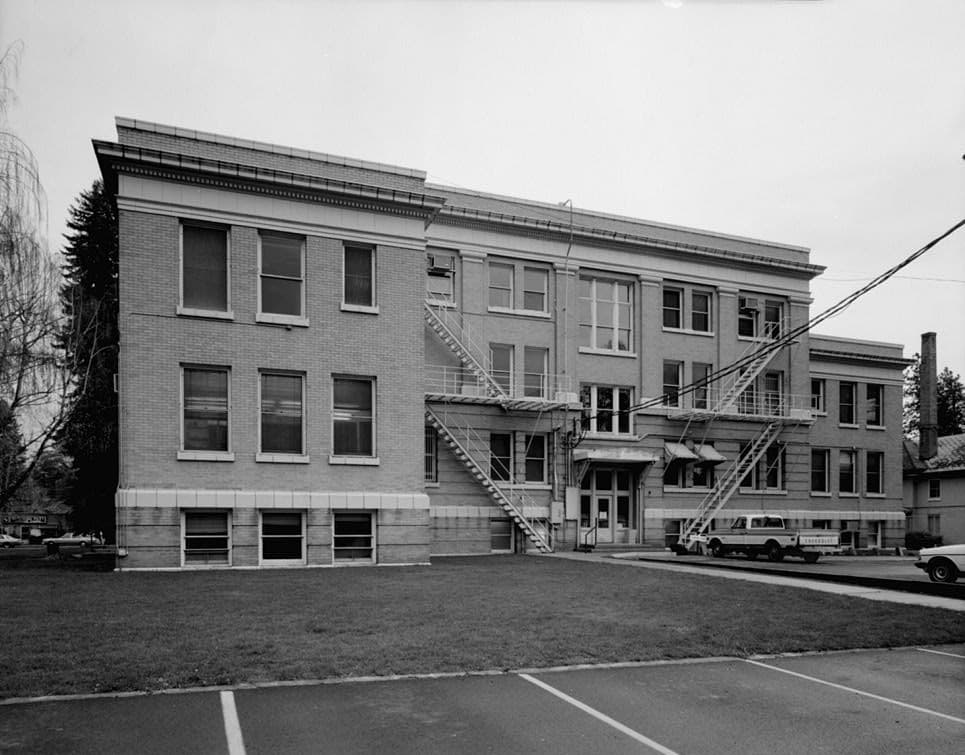
The Kootenai County Courthouse was built in 1925 and 1926, designed in the Georgian Revival style by Spokane architect Julius A. Zittle, and has stood for a century as one of the county’s most recognizable public buildings. County and city leaders are using that centennial as part of the America 250 commemoration, tying a local anniversary to the nation’s 250th birthday.
The Kootenai County Historical Preservation Commission launched a courthouse-history lecture series in January 2026, and the July 3 celebration on the courthouse lawn is set to include remarks by Idaho Supreme Court Justice Cynthia Meyer, patriotic programming, and the dedication of a new 2026 time capsule for future generations.
Jonathan Mueller, who chairs the Kootenai County Historical Preservation Commission, and Walter Burns, who chairs the Coeur d’Alene Historical Preservation Commission, were central to finding the old box and bringing the story into public view.
What 1926 Coeur d’Alene thought was worth saving
The contents of the cornerstone belong to a city that was already changing. By 1926, Coeur d’Alene had moved past its rougher Wild West era, but it was still shaped by bootlegging, railroads, timber mills and tourism. Burns estimates the county population at about 19,000, and much of Kootenai County was still rural. Automobiles were becoming more common, but roads were still often unpaved, and the city was only beginning to look like the settled place residents know now.
Burns points to Roosevelt School, the Hamilton House, Fort Grounds, the Garden District, Sanders Beach, old Coeur d’Alene City Hall and the Masonic Temple as places that still connect the present city to the one that stood around the courthouse a century ago. A still-visible portion of the Milwaukee Railroad subway entrance adds another layer, linking the city’s daily life to the rail era that helped shape it.
Who the old box does and does not represent
The courthouse story also shows the limits of civic memory. The county’s preservation plan states that Kootenai County’s mission is to identify, document and preserve significant history and archaeological resources for the people and places of the county, and it explicitly recognizes that the county lies within the traditional lands of the Schitsu’umsh, or Coeur d’Alene Tribe.
What should go into a 2026 capsule
If the 1926 box captured a courthouse-era version of Coeur d’Alene, the 2026 capsule should include records of the people and institutions now shaping the county’s sense of itself.
- A program from the July 3 America 250 celebration on the courthouse lawn.
- A record of the courthouse-history lecture series that began in January.
- A current county preservation plan page showing the Schitsu’umsh land acknowledgment.
- Images of the courthouse after the cornerstone recovery, showing the corroded copper box before conservation.
- Photos or documents from the landmarks that still tie old Coeur d’Alene to the present, including Roosevelt School, the Hamilton House, Fort Grounds, the Garden District, Sanders Beach, old City Hall and the Masonic Temple.
- Materials from the Museum of North Idaho and the preservation commissions that led the search.
A strong 2026 capsule would include:
That list would also leave room for the people who made the discovery possible: Burns, Mueller, Thurman, the masons who opened the wall, and the public officials preparing the next capsule.
This article was produced by Prism’s automated news system from verified source data, official records, and press releases, then run through automated quality and moderation checks before publishing. The system is built and supervised by the people who set the standards it runs under. Read our full AI policy.
Did this article answer your question?