Mineral Ridge trail blends history, views and winter eagle watching
Mineral Ridge packs a 3.3-mile loop, 22 interpretive stops and winter bald eagle watching into one of Kootenai County’s most useful short hikes.
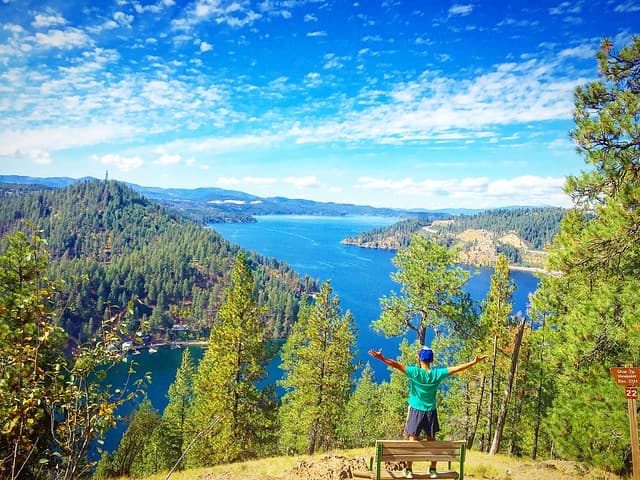
Mineral Ridge gives you a short climb, broad water views and a built-in lesson in local history all on the same outing. The 3.3-mile trail rises about 700 feet above Lake Coeur d’Alene, with views over Beauty Bay and Wolf Lodge Bay, so it works as a quick payoff hike for families, casual walkers and anyone who wants a half-day outside without driving far from Coeur d’Alene.
A short trail with a long backstory
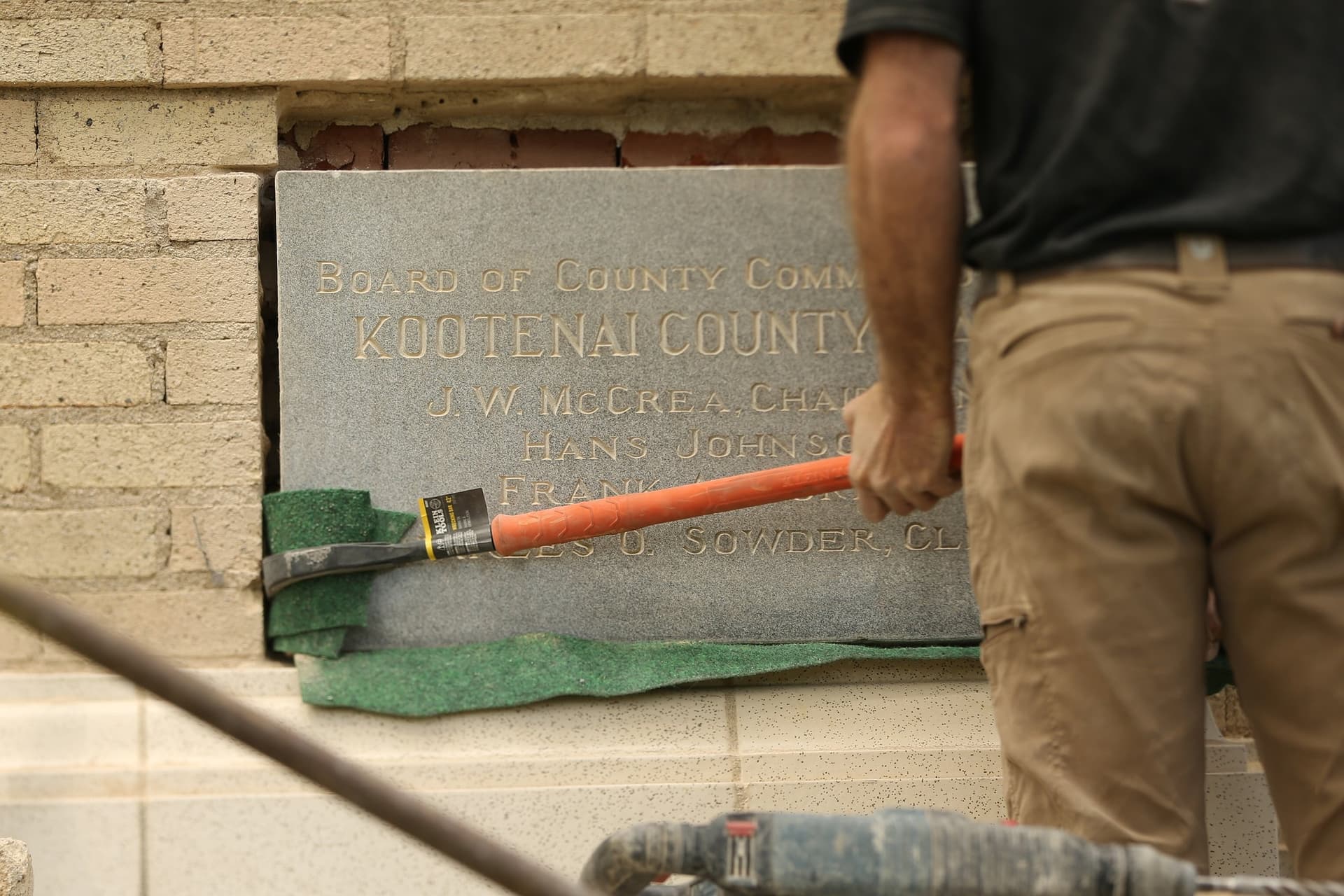
Mineral Ridge is not just another scenic loop. The Bureau of Land Management says it was the first recreation site the agency developed in Idaho, with construction beginning in 1963 and a National Recreation Trail designation added on April 13, 1982. That makes the trail one of the clearest reminders in Kootenai County that public recreation here has a history of its own.
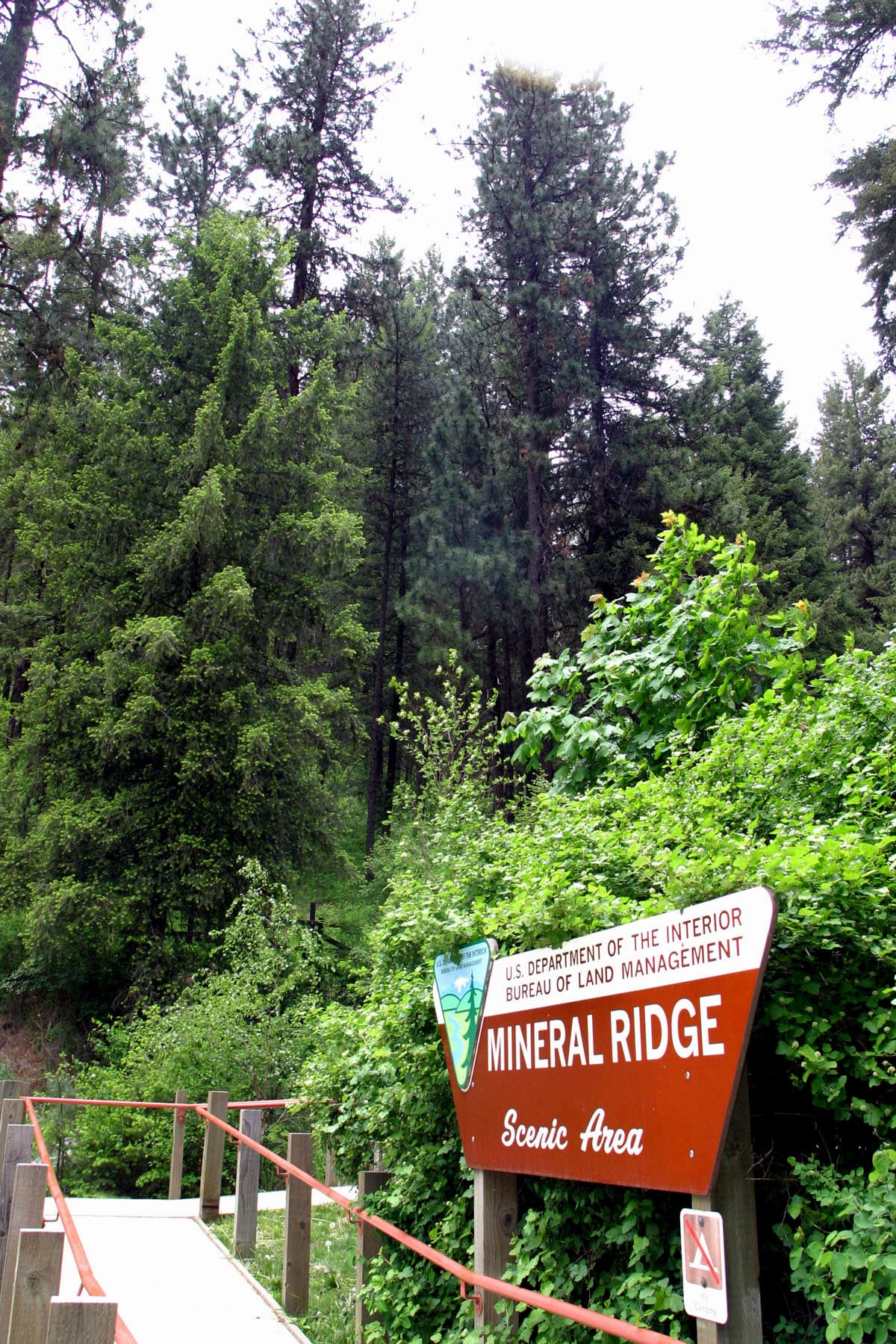
The Coeur d’Alene Field Office manages the area today, and the trail guide frames the hike as a "classroom in the forest." That phrase is more than a slogan. Twenty-two marked stations line the route, each with its own description of the plants, animals and relationships that shape the forest around the trail. Local school districts use those plant and animal communities for environmental education, which helps explain why the site still matters beyond its lake views.
The interpretive materials go a step further by tying the landscape to mining exploration. Visitors find review questions, answers, plant and animal lists and a glossary of place names that explain how the ridge, nearby features and old trail references connect to the area’s mining past. For a local hike, that is unusually dense context, and it is one reason Mineral Ridge stands apart from a simple overlook trail.
What the hike feels like
The route is commonly described as an easy-to-moderate loop, and the trailhead sits about 11 miles east of Coeur d’Alene city center. That distance makes it close enough for a spontaneous morning or afternoon, but far enough to feel like an escape once the road drops toward Lake Coeur d’Alene.
The trailhead is set up for a straightforward visit. It has paved parking, drinking water, pit toilets, two picnic shelters and accessible facilities, with the upper picnic shelter as the exception. That combination makes Mineral Ridge one of the more practical outdoor stops in the county, especially for visitors who want a short hike with a place to rest before or after the walk.
The climb is manageable, but the payoff comes quickly as the ridge rises above the shoreline. From there, the lake fills the view and the route stops feeling like a routine wooded path. The lookout over Beauty Bay and Wolf Lodge Bay is the kind of scene people tend to remember because it feels close to the city yet fully removed from it.
Why the interpretive stations matter
The 22 stations turn the hike into a guided walk even when no one is carrying the brochure. Each stop adds a layer of explanation, whether it is about forest ecology, the relationship between species or the history embedded in the names used around Mineral Ridge. American Trails describes the guide as one that explains both the forest environment and the history of mining exploration in this "classroom in the forest."
That educational angle makes the trail unusually good for visitors who want more than scenery. A standard overlook can be memorable for an hour; Mineral Ridge gives you a reason to look down at the trail as much as out over the lake. The named plants, animals and place names tie the hike to the broader story of the Coeur d’Alene basin, where natural beauty and mining history have long been intertwined.
It also gives parents, teachers and multigenerational groups an easy way to make the walk interactive. The review questions and answers in the trail materials let the hike function almost like a field lesson, which is a big part of why the site continues to be used by local school districts.
Winter is when the ridge becomes a wildlife watch site
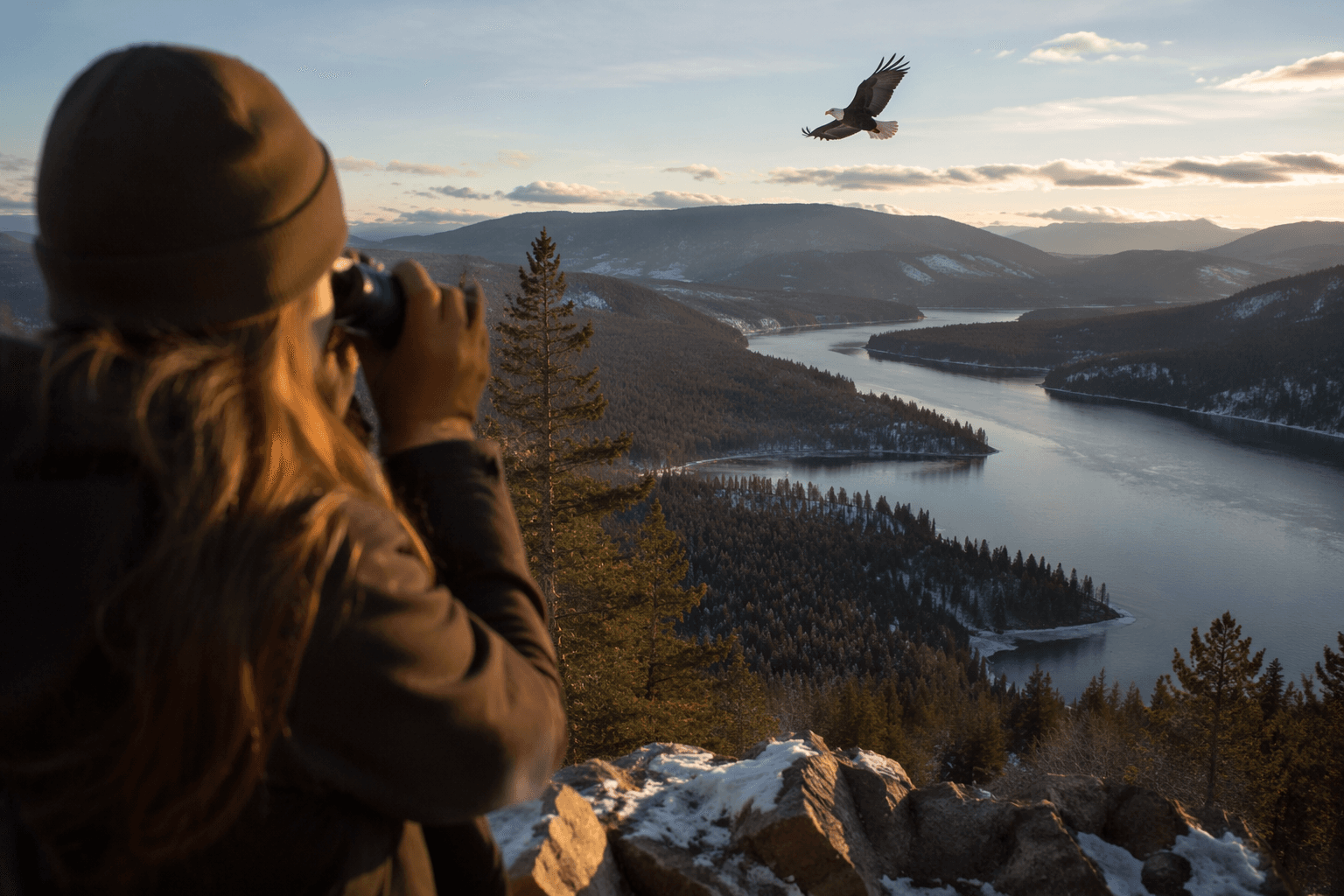
The trail’s most seasonal draw is bald eagle viewing. The Bureau of Land Management says more than 200 bald eagles migrate to the area from November through February to feed on spawning kokanee salmon. That movement gives Mineral Ridge a second identity in winter, when the same overlook that works for lake scenery becomes a place to watch one of the county’s most reliable wildlife spectacles.
An annual interpretive viewing program runs from December 27 through December 31, right in the middle of that migration window. Some visitor guides describe the winter count as up to 150 bald eagles rather than more than 200, but both figures point to the same reality: this is one of the area’s standout places for eagle watching when the kokanee run draws birds to Lake Coeur d’Alene.
That timing matters for planning. Summer and fall give the trail its classic hiking appeal, with open views and a lighter outdoor outing. Winter shifts the focus to wildlife, and the annual viewing program gives visitors a narrow date window when the interpretive side of the site is especially active.
How to plan the visit
Mineral Ridge works best when the trip matches the reason you are going. If you want the easiest all-around outing, aim for a day when you can use the paved trailhead, stop at the picnic shelters and take your time with the interpretive stations. If you want the strongest visual payoff, the overlook above Lake Coeur d’Alene delivers the kind of view that makes a short hike feel like a much bigger experience.
A few details make the planning simple:
- Trail length: 3.3 miles
- Elevation gain: about 700 feet
- Trailhead: about 11 miles east of Coeur d’Alene city center
- Facilities: paved parking, drinking water, pit toilets, two picnic shelters and accessible facilities, except for the upper shelter
- Best-known seasonal wildlife window: November through February for bald eagles
- Annual eagle viewing program: December 27 through December 31
Mineral Ridge remains useful because it does several things at once. It gives Kootenai County a short hike with a strong view, an accessible trailhead and a clear winter wildlife season, while also preserving the county’s mining and conservation history in a form people can actually walk through.
This article was produced by Prism’s automated news system from verified source data, official records, and press releases, then run through automated quality and moderation checks before publishing. The system is built and supervised by the people who set the standards it runs under. Read our full AI policy.
Did this article answer your question?